
Gandia Ducal Palace
Palau Ducal dels Borja
Spain · Valencian Community · Near Gandia
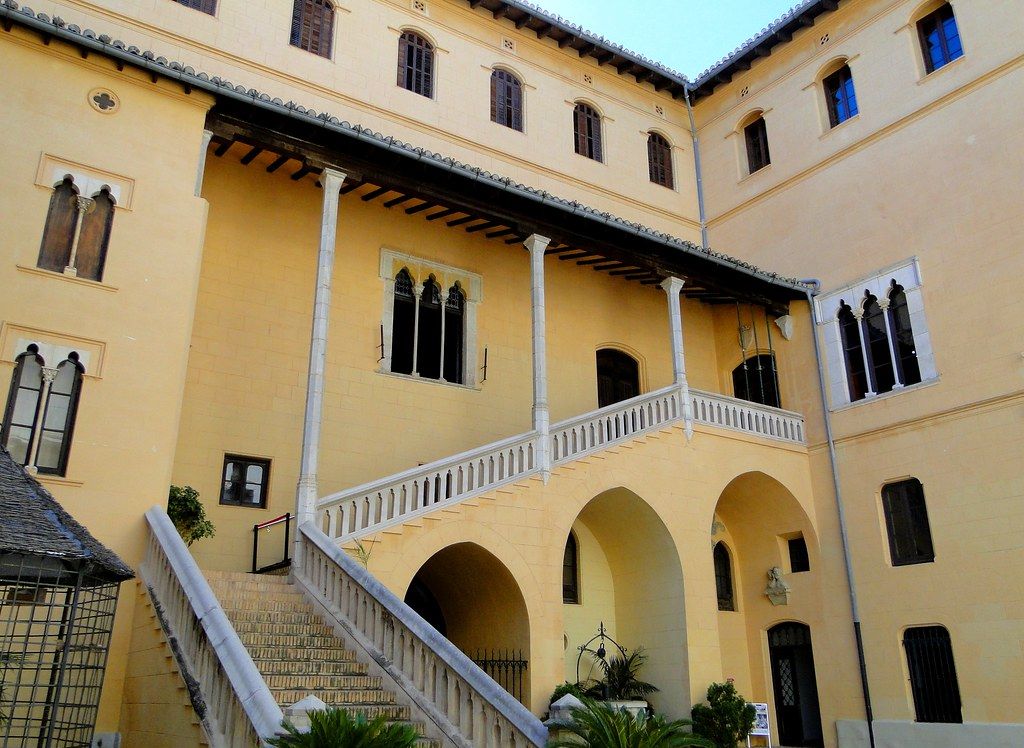
Built 1485 · Gothic-origin palace remodelled extensively in the 17th and 18th centuries by the Borgia (Borja) family and later the Society of Jesus; the exterior retains its medieval civic character while the interiors are largely Baroque — most famously the five-room Golden Gallery (Galeria Daurada) with oil-painted ceilings attributed to Spanish Baroque painter Gaspar de la Huerta, plus the Hall of Eagles, Hall of Crowns, and a private chapel associated with Saint Francis Borgia, who was born here and whose canonisation is central to the palace's significance today
This page is part of an independent travel guide and is not affiliated with, endorsed by, or operated by Gandia Ducal Palace.
© Castles & Palaces
Quick Facts
- Hours
- Mon–Fri 10:00–14:00, 16:00–19:00. Sat 10:00–14:00. Closed Sun
- Entry via GetYourGuide
- €8
- Duration
- 45 minutes – 1 hour
- Best time
- Year-round
- Nearest city
- Gandia
Featured Tour
Gandia: Ducal Palace Entry Ticket with Audio Guide
Cancellation available · Instant confirmation
Highlights
- ✦The ancestral seat of the House of Borgia (Borja) in Spain, one of the most notorious dynasties of the Italian Renaissance — and paradoxically the palace where Saint Francis Borgia (San Francisco de Borja), 4th Duke of Gandia, was born in 1510 before renouncing his title, wealth, and dynastic position to join the Jesuit order and eventually become its third Superior General
- ✦The Golden Gallery (Galeria Daurada) — a five-room Baroque sequence whose ceilings are covered in oil paintings attributed to Gaspar de la Huerta, one of the most accomplished Baroque decorative schemes in the Valencian Community, largely unknown to visitors who associate Valencian Baroque only with Valencia city
- ✦Still owned and operated by the Society of Jesus (the Jesuits) — the religious order Saint Francis Borgia helped lead — giving the palace a continuous institutional thread between the saint's life and its current management that is rare in European palace history
- ✦Full wheelchair accessibility throughout — elevators and ramps make this one of the genuinely accessible historic palace interiors on the Valencia coast, uncommon for a building of this age and type
- ✦A six-language audio guide (Spanish, English, French, Italian, German, Russian) included in the €9 ticket price, allowing self-paced visits to all major rooms without requiring a timed guided tour
Skip the queue with a guided tour
Skip-the-line tickets & expert guides
The Borgia name carries a reputation built across five centuries of accumulated notoriety. Rodrigo Borgia, who became Pope Alexander VI, has been accused — with varying degrees of historical evidence — of simony, nepotism, poisoning, and dynastic manipulation on a scale that shocked even the Renaissance papacy. His son Cesare Borgia served as the model for Machiavelli's Prince. His daughter Lucrezia has been blamed for crimes that range from the well-documented to the fabricated, and her rehabilitation by serious historians has done only partial work against five centuries of legend. The Borgia brand, in short, is not one that invites association with sainthood.
And yet the ducal palace in Gandia — the Spanish branch of the family's main seat, in the coastal town of Valencia province that gave the duchy its name — is most specifically associated with exactly that. Saint Francis Borgia, born in this palace in 1510 as Francisco de Borja, was the 4th Duke of Gandia and by dynastic position one of the most powerful men in Charles V's Spain: grandson of Pope Alexander VI through his father, great-grandson of Ferdinand II of Aragon through his mother, Viceroy of Catalonia from 1539 to 1543, a man whose family connections, wealth, and administrative experience made him a figure of genuine political consequence. When his wife died in 1546, Francis chose a path that was, by the standards of his position and inheritance, extraordinary: he renounced his title, distributed his wealth, and entered the newly founded Society of Jesus — the Jesuit order created by Ignatius of Loyola just years earlier.
Within the Jesuit order Francis Borgia rose to become its third Superior General, from 1565 to 1572, overseeing a period of significant expansion and institutional development for an organisation that was becoming one of the most influential forces in Counter-Reformation Catholicism. He was canonised in 1671. The palace in Gandia, where he was born and where his early life was shaped before his renunciation, became and remains associated with his memory — currently owned and operated by the Society of Jesus, which gives the building a historical continuity between Francis's life and its present management that is genuinely unusual in European palace history.
The palace's physical character reflects its long and layered history. The exterior retains its Gothic civic identity — a large urban palazzo of the kind built by wealthy Valencian noble families in the late medieval period. The interiors, however, were substantially remodelled in the 17th and 18th centuries, producing the Baroque decorative programme that is the palace's main visual attraction today. The central showpiece is the Golden Gallery (Galeria Daurada): five rooms whose ceilings are covered in oil paintings on panel, attributed to the Valencian Baroque painter Gaspar de la Huerta, depicting allegorical and religious subjects in a decorative scheme of considerable sophistication and ambition. The Hall of Eagles and Hall of Crowns flank the gallery; the private chapel, associated directly with Francis Borgia's spiritual life, completes the circuit of the major rooms.
The six-language audio guide included in the €9 ticket price allows the full visit to be made self-paced. The palace is fully wheelchair accessible — elevators and ramps throughout — which is worth stating plainly, since fully accessible historic palace interiors are not as common as they should be. The visit takes 45 minutes to an hour at a comfortable pace. Gandia's old town, immediately around the palace, and the beach resort area 3 km to the east are easily combined.
History
The palace in Gandia has origins in the late 14th century, when Alfonso el Vell, Duke of Gandia, established it as his family's primary residence. The Borgia (Borja) family acquired the Duchy of Gandia in 1485 when Pope Alexander VI — Rodrigo Borgia — secured it for his son Juan. The palace became the family's main Spanish seat and the birthplace of Saint Francis Borgia in 1510.
The Gothic structure was extensively remodelled in the Baroque period, particularly in the 17th and 18th centuries, producing the Golden Gallery and the other major decorative rooms visible today. Following Francis Borgia's canonisation in 1671 and the suppression and later restoration of the Jesuit order, the Society of Jesus eventually assumed ownership of the palace, which it continues to operate as a museum and cultural site today.
How to Visit
Getting there: Gandia is approximately 70 km south of Valencia city on the Costa de Valencia. By train, take the Cercanías line from Valencia Nord station to Gandia (approximately 1 hour); the palace is a 10-minute walk from the station. By car, take the V-31 south then the N-332 coast road or the AP-7 toll motorway.
Tickets: €9 at the door (children free), includes the six-language audio guide (Spanish, English, French, Italian, German, Russian). The GetYourGuide ticket provides the same access. No advance booking required. Fully wheelchair accessible — elevators and ramps throughout.
Visit length: 45 minutes to 1 hour for the main rooms. The audio guide sets the pace naturally.
Practical tips: Allow 45 minutes – 1 hour for the visit.
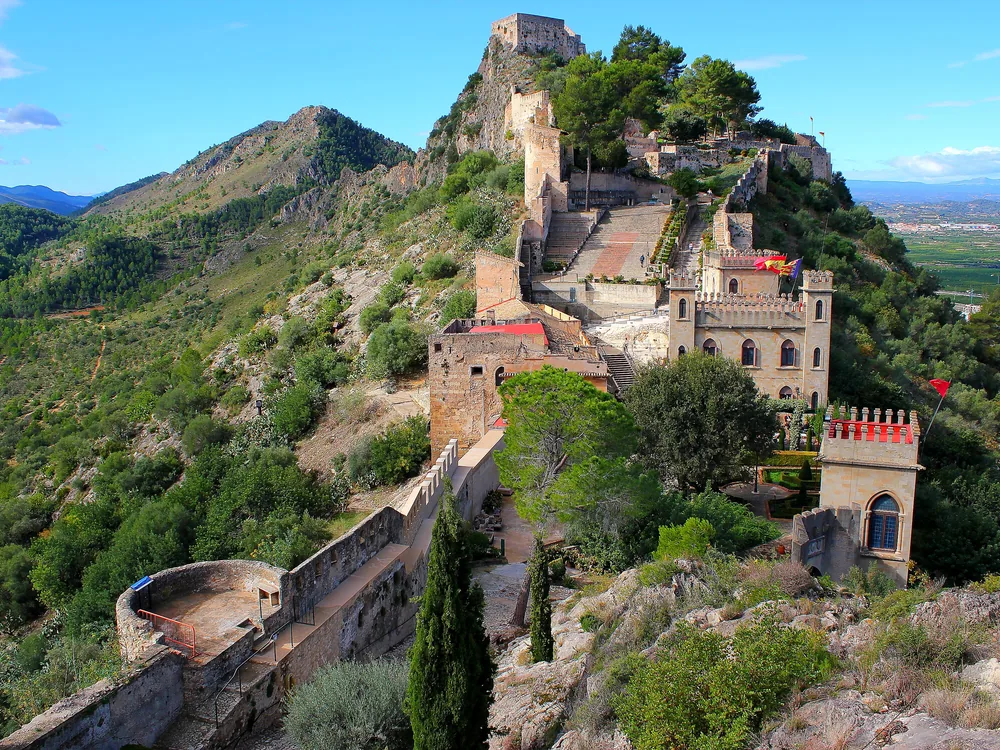
Combine with: Gandia beach (3 km east of the old town) is one of the better-organised resort beaches on the Valencia coast and makes the palace a logical morning stop before an afternoon at the sea. The town of Xàtiva (25 km inland), with its twin hilltop castle complex and its connection to the Borgia family (Rodrigo Borgia was born in Xàtiva), provides a natural Borgia-themed day trip itinerary.
Frequently Asked Questions
Saint Francis Borgia (San Francisco de Borja, 1510–1572) was born in this palace as the 4th Duke of Gandia — one of the most powerful noble positions in Charles V's Spain. Despite his aristocratic status and his direct descent from Pope Alexander VI and King Ferdinand of Aragon, he renounced his title and wealth after his wife's death in 1546 and joined the Jesuit order. He rose to become the order's third Superior General (1565–1572) and was canonised in 1671. The palace remains owned by the Society of Jesus, the religious order he helped lead, providing an unusual institutional continuity between his life and its current management.
Location
Carrer Duc Alfons el Vell, 1, 46701 Gandia, Valencia, Spain
Nearby Castles
Tours & Tickets
Powered by GetYourGuide
From
€8/ person