
Liria Palace
Palacio de Liria
Spain · Community of Madrid — Madrid, Argüelles neighbourhood, Ciudad Universitaria district · Near Madrid
Built 1770 · 18th-century Neoclassical palace with Baroque influences, designed by Ventura Rodríguez, 1770–1780s — the Palacio de Liria was commissioned by James FitzJames Stuart, 3rd Duke of Berwick and Liria, as the Madrid residence of one of Spain's most powerful aristocratic households; the design is attributed to Ventura Rodríguez (1717–1785), the leading Spanish neoclassical architect of the 18th century, responsible for the redesign of the Plaza del Pilar in Zaragoza and numerous royal and ecclesiastical commissions; the original 18th-century palace was severely damaged by fire and bombing during the Spanish Civil War in 1936; reconstruction began in 1939 under the architect José María Muguruza, preserving the neoclassical exterior form while rebuilding the interior around the art collection that had been evacuated before the destruction; the rebuilt interior houses the House of Alba's art collection across a sequence of state rooms including the Goya Room (Sala de Goya), the Flemish Room (Sala Flamenca), and the Library, which holds historical documents including Christopher Columbus's will and a letter from the Catholic Monarchs; the palace grounds include a formal garden within the city block
This page is part of an independent travel guide and is not affiliated with, endorsed by, or operated by Liria Palace.
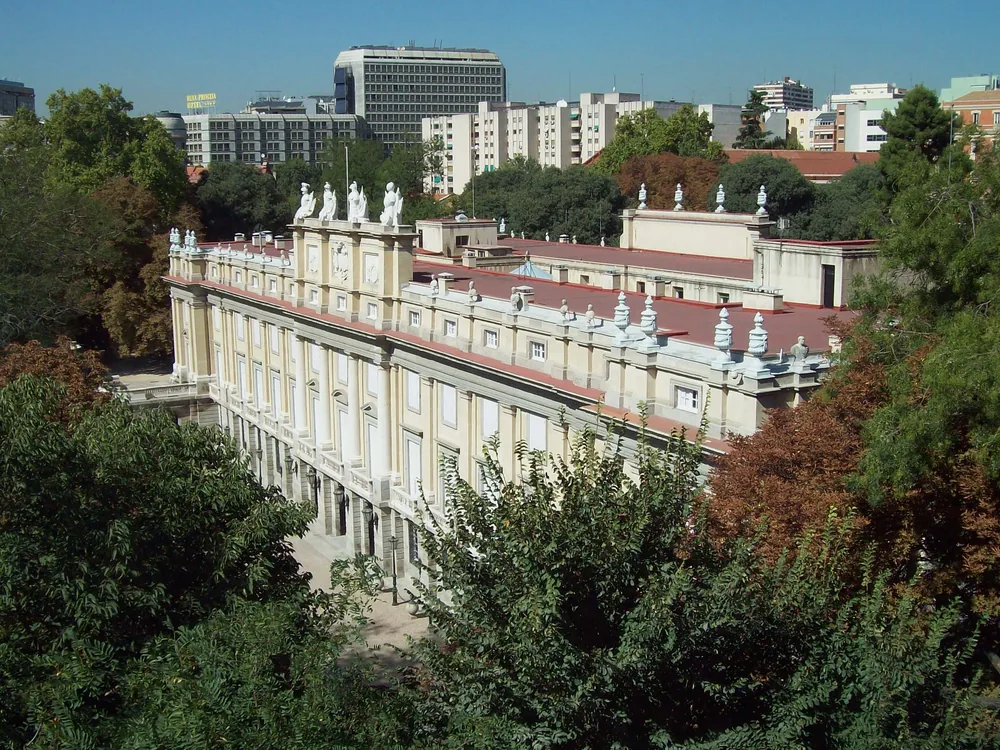
© Castles & Palaces
Quick Facts
- Hours
- Tue–Sat 10:00–14:00. Closed Mon, Sun
- Guided tour from
- €222
- Duration
- 2–3 hours (guided tour of the state rooms including the Goya Room, Flemish Room, Library with Columbus documents, and the palace garden)
- Best time
- Year-round
- Booking
- Required — book 7+ days ahead
- Nearest city
- Madrid
Featured Tour
Liria Palace Tour in Madrid with Skip-the-Line Tickets
Cancellation available · Instant confirmation
Highlights
- ✦The art collection — Goya, Rubens, Titian, Rembrandt under one private roof — the Palacio de Liria houses one of the most significant private art collections in Spain: works by Francisco de Goya (including portraits of Cayetana, 13th Duchess of Alba — widely believed to be the model for the Maja paintings), Peter Paul Rubens, Titian, Rembrandt, Van Dyck, and other masters spanning the 16th–18th centuries; the collection reflects the House of Alba's centuries-long accumulation of aristocratic patronage and inheritance across Spanish and Flemish artistic traditions; unlike public museum collections, these works hang in the rooms they were acquired for, in their original palatial setting, giving a visit to Liria a different quality from the Prado — the art is encountered as it was intended, in domestic context rather than in a gallery sequence
- ✦Christopher Columbus's will and the historical archive — the palace library holds documents of exceptional historical significance, including Christopher Columbus's will and letters from the Catholic Monarchs Ferdinand and Isabella; the House of Alba's family archive, accumulated across centuries of political proximity to the Spanish Crown, contains primary sources for some of the most significant events in Spanish history; the Columbus documents — relating to the legal and financial arrangements of his voyages and their aftermath — are among the most significant surviving primary sources for the history of the Spanish encounter with the Americas
- ✦The House of Alba — Spain's most titled aristocratic house — the Álvarez de Toledo family, holders of the Dukedom of Alba, represent one of the most prominent dynasties in Spanish history; the titles accumulated across the centuries — reportedly the family held more nobility titles than any other in the world at their peak — reflect generations of royal favour, military service, and strategic marriage; the most internationally famous holder was Cayetana de Silva y Álvarez de Toledo, 13th Duchess of Alba (1762–1802), who was painted repeatedly by Goya and whose relationship with the painter has been the subject of historical and artistic speculation ever since; the 18th Duchess, also named Cayetana, was a celebrated public figure in 20th-century Spain who died in 2014
- ✦Civil War destruction and reconstruction — a palace rebuilt around its art — in 1936, early in the Spanish Civil War, the Palacio de Liria was set on fire during the bombardment of Madrid; the art collection had been evacuated before the destruction — the most significant works were removed and protected — and the palace's neoclassical shell and interior were gutted; reconstruction began in 1939 after the war's end, under the architect José María Muguruza; the rebuilt interior preserved the neoclassical exterior form and recreated the state rooms around the returned art collection; the palace that visitors see today is substantially the 1939–1940s reconstruction, with its exterior walls from the 18th century and its interiors from the post-Civil War period — a building that documents the survival of a collection through political catastrophe
Skip the queue with a guided tour
Skip-the-line tickets & expert guides
The Palacio de Liria stands in the Argüelles neighbourhood of Madrid, behind a street wall that gives little indication of the scale or quality of what lies inside. The entrance gate opens onto a formal garden within the city block; beyond it, the neoclassical facade of the palace faces the garden across a stone forecourt. This is the Madrid residence of the House of Alba — the holders of what was historically one of the most extensive accumulations of aristocratic titles in Europe — and the building contains one of the most significant private art collections on the Iberian Peninsula.
The palace was originally commissioned in the 1770s by James FitzJames Stuart, 3rd Duke of Berwick and Liria, heir to a dynasty founded by the Duke of Berwick — the natural son of James II of England who entered Spanish service, received his Spanish dukedom, and became a Marshal of France; a family tree whose complexity reflects the aristocratic politics of 18th-century Europe. The design was attributed to Ventura Rodríguez (1717–1785), the leading Spanish neoclassical architect of the period, responsible for the redesign of the Plaza del Pilar in Zaragoza and a series of royal and ecclesiastical commissions that gave 18th-century Spain its neoclassical architectural character.
The palace that Ventura Rodríguez designed was substantially destroyed in 1936. In the early months of the Spanish Civil War, as Republican and Nationalist forces contested Madrid, the Palacio de Liria was set on fire. The most significant works of the art collection — Goyas, Rubens, Titians, Rembrandts — had been evacuated before the destruction, packed and moved to protect them from the conflict. The shell of the palace burned; its neoclassical exterior walls survived; its interior was gutted. Reconstruction under the architect José María Muguruza began in 1939 after the war ended and continued into the 1940s, recreating the state rooms around the art collection that returned from safekeeping.
The rebuilt interior is where the visit happens. The Goya Room (Sala de Goya) contains the painter's portraits of the House of Alba — most significantly of Cayetana, 13th Duchess of Alba, painted in the 1790s; Cayetana was widely believed during and after Goya's lifetime to be the model for the Maja paintings (La maja vestida and La maja desnuda), and the relationship between the painter and the duchess has been debated for more than two centuries. The Flemish Room (Sala Flamenca) holds the Rubens, Titians, and Flemish masters. The Library contains the historical archive — including Christopher Columbus's will and correspondence from the Catholic Monarchs Ferdinand and Isabella, primary sources for the history of the Spanish discoveries that happen to be kept in a private aristocratic collection rather than a state archive.
Public access to Liria Palace was opened in recent years on a restricted basis. Tours operate at strictly limited capacity; all visits require advance booking; the palace does not accept walk-in visitors. The GYG private tour (t1197022, 2–3 hours) includes skip-the-line entry, a licensed 5-star guide, and access to the main state rooms. The tour price reflects both the guide's qualification and the relative exclusivity of access — Liria is not Versailles or the Prado, and the number of people who can visit on any given day is substantially smaller than what a major public museum accommodates.
The palace is currently owned and managed by the Fundación Casa de Alba. The 18th and most recent Duchess of Alba — the famous Cayetana — died in 2014 after a public life that made her one of the most recognisable figures in late 20th-century Spain. The palace and its collection have been managed by the foundation in the period since her death, with the selective public opening programme as the family's current approach to sharing a collection of genuine cultural significance with a wider audience.
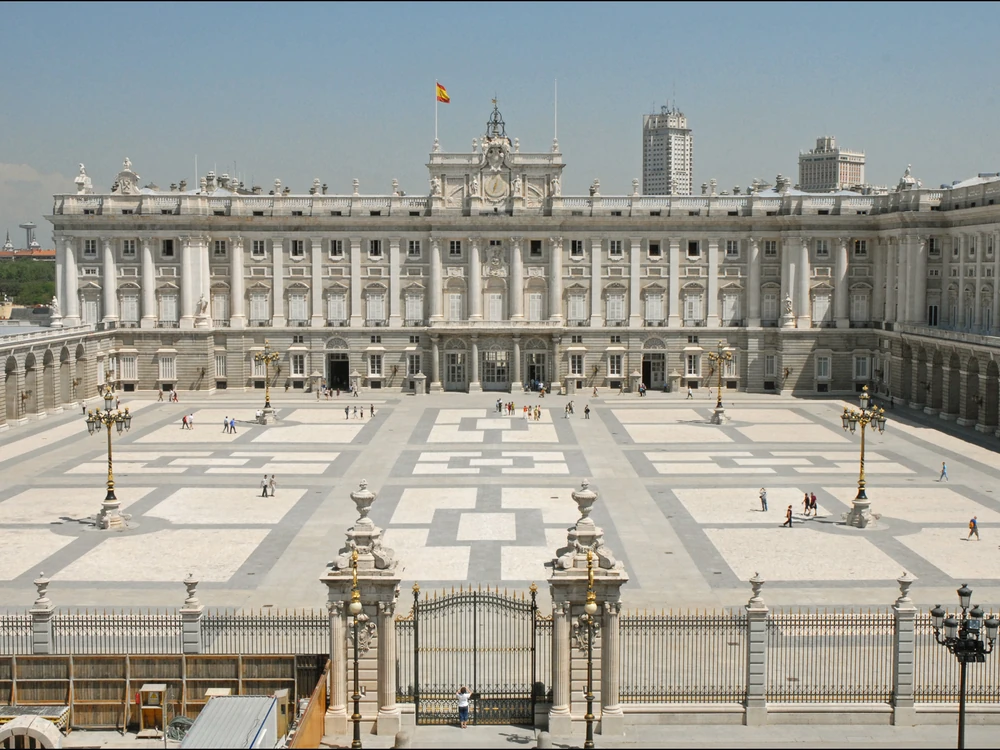
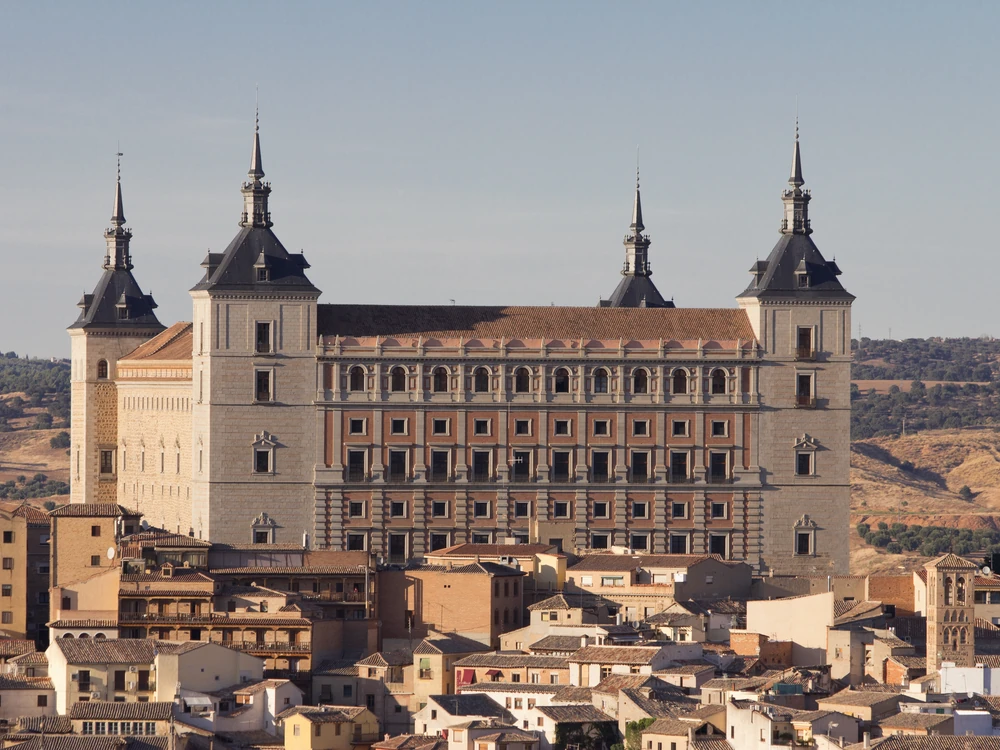
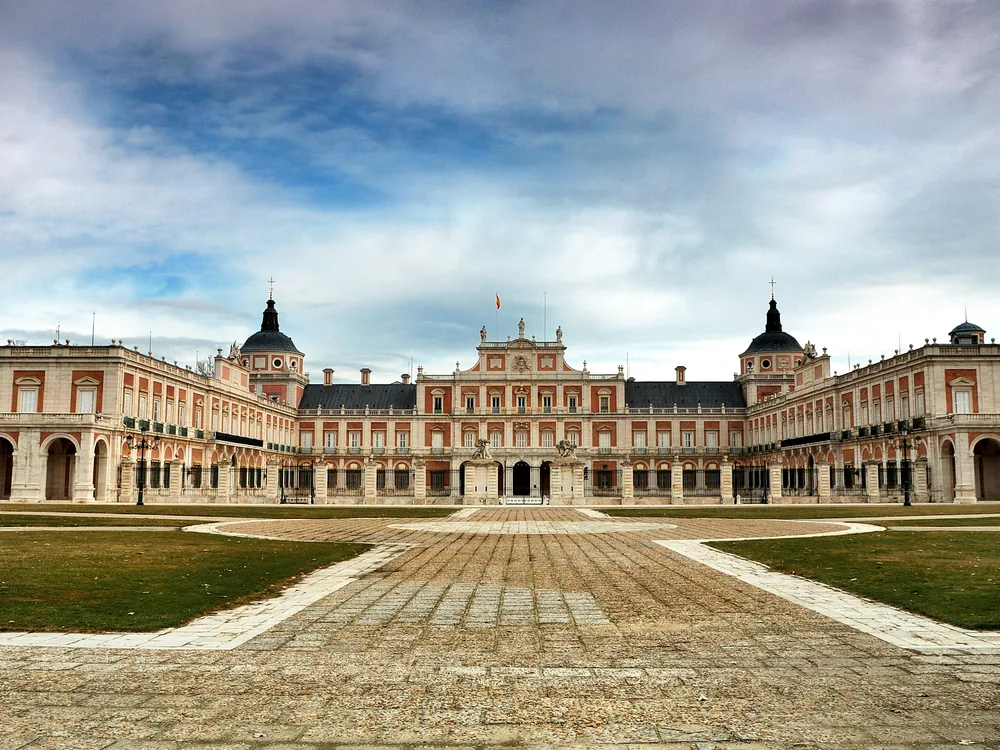
[Palacio Real de Madrid](/castles/spain/palacio-real-madrid) — the official royal palace of the Spanish Crown, approximately 2km southeast — is the major Madrid palace comparison for visitors contextualising Liria's aristocratic setting within the city's royal heritage. [Aranjuez Royal Palace](/castles/spain/aranjuez-royal-palace) and the [Alcázar of Toledo](/castles/spain/alcazar-de-toledo) extend the central Spain palace circuit beyond the capital.
History
1770s: James FitzJames Stuart, 3rd Duke of Berwick and Liria, commissions the Palacio de Liria as the Madrid residence of the House of Alba; design attributed to Ventura Rodríguez. 1780s–1790s: palace completed and furnished; art collection assembled across generations of Alba patronage and inheritance. 1790s: Francisco de Goya paints his portraits of Cayetana, 13th Duchess of Alba, which become part of the palace collection. 19th century: palace passes through successive holders of the House of Alba title; collection expanded. 1936: Spanish Civil War; Palacio de Liria set on fire during the bombardment of Madrid; art collection evacuated before destruction; palace interior gutted. 1939–1940s: reconstruction under architect José María Muguruza; neoclassical exterior preserved; interior rebuilt and art collection returned. 20th century: palace operates as private residence of the Dukes of Alba; collection maintained in situ. 2014: death of Cayetana, 18th Duchess of Alba; palace placed under management of the Fundación Casa de Alba. Recent years: selective public tours opened with advance booking; GYG private tours available with skip-the-line access.
How to Visit
Getting there: Liria Palace is at Calle de la Princesa 20 in Madrid's Argüelles neighbourhood. The nearest metro stations are Ventura Rodríguez (Line 3) and Argüelles (Lines 3 and 4), both around a 5-minute walk. Buses on the Princesa corridor (lines 1, 44, 133, and the Circular) also stop nearby.
Tickets: Walk-up entry €20 adult, €10 child — but advance booking is required at fundacioncasadealba.com, as the palace does not accept walk-in visitors; confirm available dates before planning your trip. The GYG tour (t1197022, from €222, 4.5★/4 reviews) — a private guided visit covering the Goya Room, Flemish Room, and Library with Columbus documents, with skip-the-line access and a licensed guide — is the most straightforward option for individual travellers; book in advance.
Practical tips: Tours run at strictly limited capacity on scheduled dates, and the schedule changes seasonally, so check fundacioncasadealba.com well ahead of your trip. The tour involves multiple floors connected by staircases with limited wheelchair access — confirm specific requirements directly with the operator before booking. The palace is closed Sundays and Mondays.
Combine with: [Palacio Real of Madrid](/castles/spain/palacio-real-madrid) — the official royal palace of the Spanish Crown, about 2 km southeast — offers a natural counterpoint as a fully public equivalent to Liria's private palatial scale, or [Alcázar of Toledo](/castles/spain/alcazar-de-toledo) for a dramatic medieval fortress an hour south by high-speed rail.
Frequently Asked Questions
The Palacio de Liria houses a private art collection of museum quality that spans the 16th–18th centuries and includes works by Francisco de Goya (portraits of the Duchess of Alba), Peter Paul Rubens, Titian, Rembrandt, and Van Dyck, among others. The collection reflects the House of Alba's centuries-long accumulation of aristocratic patronage and inheritance. What distinguishes a visit to Liria from a museum experience is context: the art hangs in the rooms it was acquired for, in a palatial domestic setting rather than a gallery sequence, giving each work a spatial and historical relationship with the room it inhabits that museum display cannot replicate. The historical archive — including Columbus's will — adds a documentary significance beyond the purely artistic.
Location
Palacio de Liria, Calle de la Princesa 20, 28008 Madrid, Spain
Nearby Castles
Tours & Tickets
Powered by GetYourGuide
From
€222/ person