
Ovech Fortress
Крепостта Овеч (Krepostta Ovech)
Bulgaria · Provadia, Varna Province, Bulgaria · Near Provadia
Medieval Bulgarian cliff-plateau fortress; natural rock plateau defended with curtain walls and towers; accessible by a dramatic stone bridge spanning the ravine; inhabited from the 3rd to the 17th century with primary fortification in the medieval Bulgarian period
This page is part of an independent travel guide and is not affiliated with, endorsed by, or operated by Ovech Fortress.
© Castles & Palaces
Quick Facts
- Hours
- Daily 09:00–18:00
- Guided tour from
- €160
- Duration
- 1–1.5 hours
- Best time
- April to October
- Nearest city
- Provadia
Featured Tour
From Varna: Ovech Fortress and Salt Mine Private Tour
Cancellation available · Instant confirmation
Highlights
- ✦The stone bridge approach — crossing the single-arch stone bridge over the Provadia River gorge to reach the fortress plateau is one of the most memorable entry sequences at any medieval site in northeastern Bulgaria
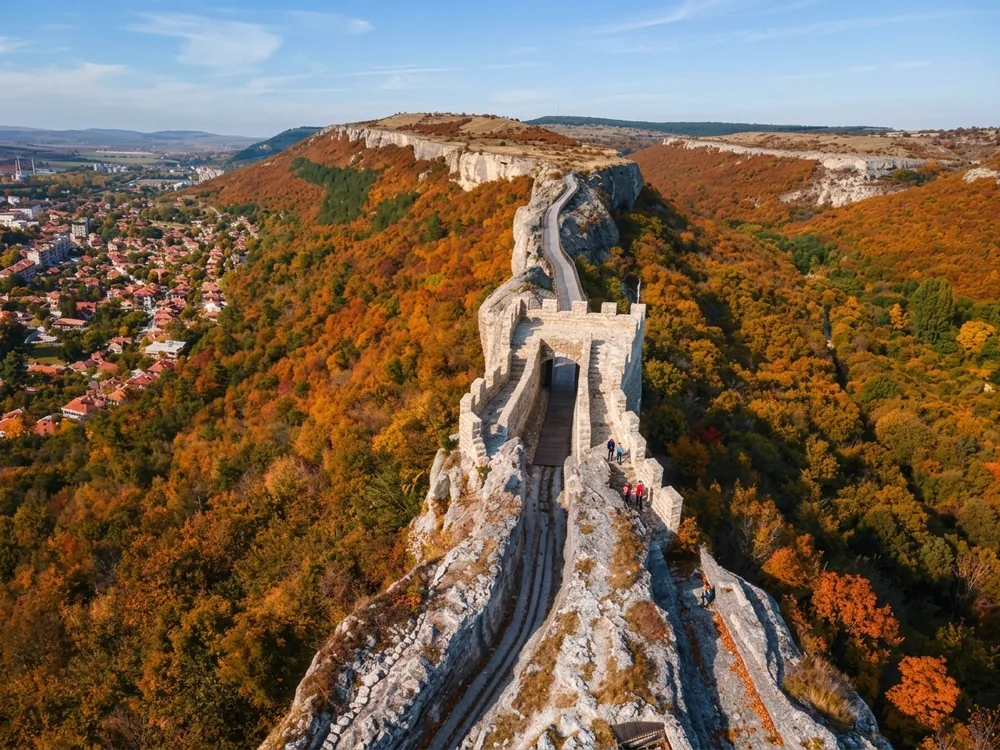
- ✦Natural cliff-plateau position — Ovech stands on a rock plateau with sheer drops on multiple sides, the natural terrain doing most of the defensive work that elsewhere required costly curtain-wall construction
- ✦A key stronghold of the Second Bulgarian Kingdom — the fortress was actively held and fortified during the period of Bulgarian statehood, changing hands between Bulgarian and Byzantine (and later Byzantine and Ottoman) forces through the medieval centuries
- ✦The Provadia-Solnitsata salt works — nearby and included on the GetYourGuide tour, Europe's oldest known salt-production site (active from the 6th millennium BC); Provadia's entire medieval history is inseparable from control of this salt source
- ✦The GetYourGuide private tour from Varna combines Ovech Fortress with the Salt Mine in 5 hours, with all entrance tickets included
Skip the queue with a guided tour
Skip-the-line tickets & expert guides
Ovech Fortress occupies a rock plateau above the Provadia River valley, approached by a single stone bridge spanning the gorge — an approach so dramatic that it frames the fortress experience before you reach the walls. The natural position is exceptional: the plateau's edges drop vertically on most sides, requiring defenders only to fortify the narrow land approach to deny the entire hilltop to attackers.
The site has been inhabited since the 3rd century AD, initially as a Late Roman-period settlement controlling the route between the Danube frontier and the Black Sea coast. Its medieval importance grew with the rise of the Second Bulgarian Kingdom in the late 12th century, when Ovech became a significant fortified point in the Bulgarian network between Preslav and the coast. The fortress changed hands multiple times between Bulgarian and Byzantine forces during the campaigns of the 12th–14th centuries before falling to the Ottomans in the late 14th century, after which it was maintained briefly as an Ottoman administrative position before falling out of strategic importance.
The proximity to Provadia and its salt production is the economic logic behind Ovech's long history. Provadia sits on the Provadia-Solnitsata site — the oldest known salt-production complex in Europe, active from the 6th millennium BC, nearly two thousand years before the Bronze Age began in the Balkans. Control of salt meant control of a commodity essential for food preservation and trade across the entire northeastern Balkan region; the medieval fortress above the town was, in economic terms, a garrison protecting one of the most valuable industrial assets in the region.
The GetYourGuide private tour from Varna pairs Ovech with the Provadia Salt Mine in a 5-hour excursion, with all entrance tickets included. The tour also passes the 'Stone Forest' — a cluster of naturally formed limestone pillars in the Varna hinterland, a standard photo stop on the route.
History
Late Roman settlement on the Ovech plateau is documented from the 3rd century AD, when the position's strategic value on the route between the Danube frontier and the Black Sea coast made it a natural site for fortification. Bulgarian medieval control of Ovech developed through the period of the Second Bulgarian Kingdom (founded 1185), when the fortress was fortified as part of the northeastern Bulgarian defensive network. Byzantine attempts to reconquer the northeastern Bulgarian territories in the 13th century were contested partly through the fortresses of this region, including Ovech. The fortress withstood a number of attacks before ultimately falling to Ottoman forces in the late 14th century during the Ottoman conquest of Bulgaria. It was maintained briefly under Ottoman administration before being abandoned in the 17th century. Partial archaeological investigation in the 20th century established the sequence of occupation and the extent of the medieval fortification.
How to Visit
Getting there: Provadia is 50 km west of Varna on the road toward Shumen. By car from Varna, take the A2 motorway or the main road through Devnya — the drive takes about 45 minutes. The fortress is signposted from Provadia town centre. The GetYourGuide private tour from Varna provides hotel pickup and private transport throughout.
Tickets: Walk-up entry is approximately €3 per adult, €1 per child. The GetYourGuide private tour from Varna (new listing) confirms all entrance tickets to the specified sites are included in the tour price — Ovech Fortress and the Salt Mine. The tour includes hotel pick-up and drop-off in Varna, a private air-conditioned vehicle, and an English-speaking guide.
Practical tips: The stone bridge crossing is the highlight of arriving at Ovech — take time to look back at the fortress from the bridge's midpoint. The plateau walk inside the fortress gives good views over the Provadia Valley in all directions. Combine with the Provadia Salt Mine if visiting independently — it is 2 km from the fortress and has its own ticket. The 'Stone Forest' natural limestone pillars are 15 km north of Provadia toward Varna and worth a brief stop.
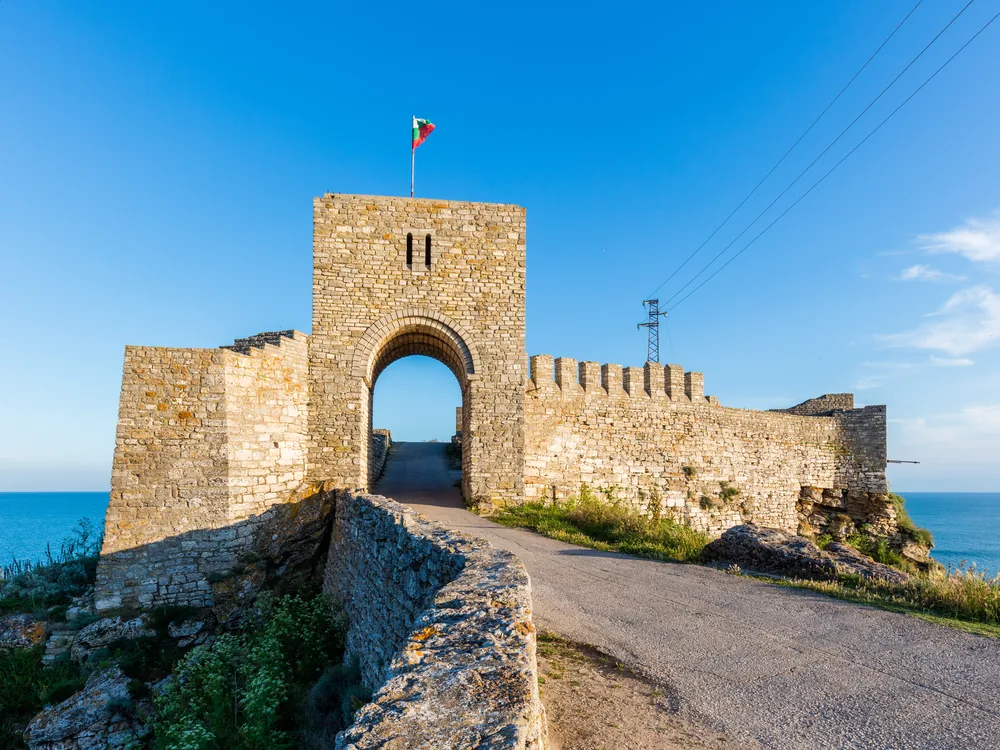
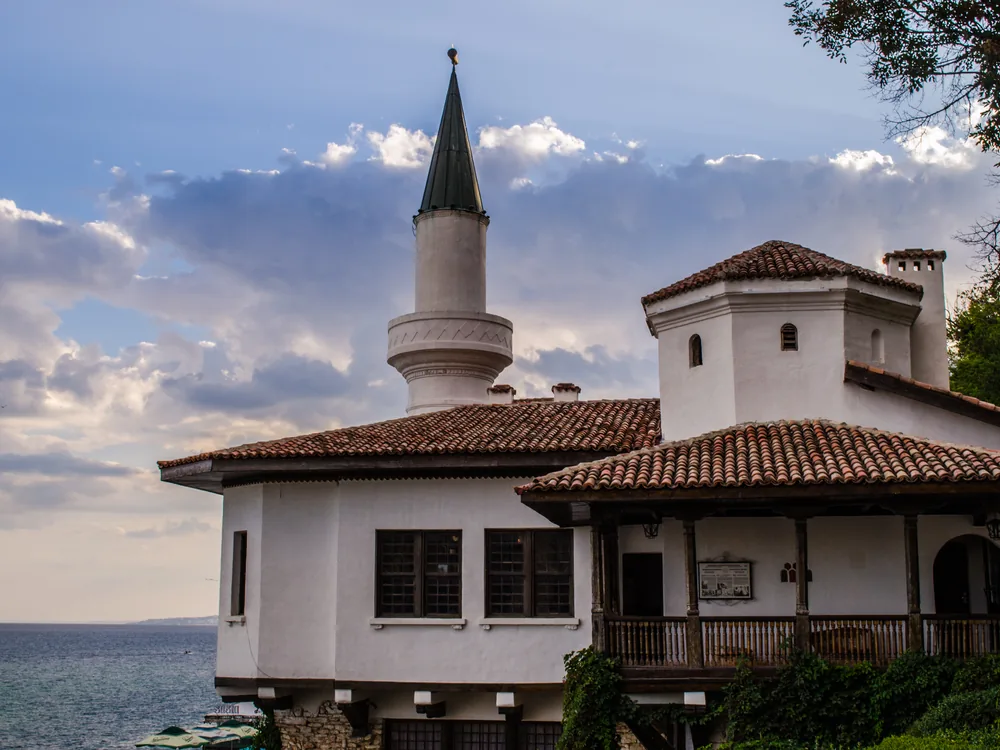
Combine with: Kaliakra Fortress (~40 km northeast on the Black Sea cape — the Thracian-to-medieval clifftop fortress above 70-metre sea cliffs, with the legend of the 40 maidens) and Balchik Palace (~50 km northeast — Queen Marie of Romania's eclectic Black Sea retreat in Bulgaria's oldest botanical garden).
Frequently Asked Questions
Provadia-Solnitsata is an archaeological site adjacent to Provadia that has been identified as the oldest known salt-production facility in Europe, in operation from approximately the 6th millennium BC — predating the Bronze Age in the Balkans by nearly 2,000 years. The site was a centre of salt boiling (evaporating brine to produce solid salt) on an industrial scale for its period, and archaeological evidence suggests it was the economic engine of a sophisticated prehistoric society that traded salt across a wide region. Controlling the salt source of Provadia was therefore the underlying economic rationale for the medieval fortress that became Ovech.
Location
Ovech Fortress, Provadia 9200, Varna Province, Bulgaria
Nearby Castles
Tours & Tickets
Powered by GetYourGuide
From
€160/ person