
Larnaca Castle
Κάστρο Λάρνακας
Cyprus · Larnaca, Cyprus · Near Larnaca
Built 1383 · Medieval Lusignan coastal fort substantially rebuilt in Ottoman style; the original tower was constructed under the Lusignan dynasty in the 14th century as a harbour-mouth defensive position; the Ottomans substantially modified and strengthened it after 1570; the current square tower with its corner bartizans and inner courtyard is primarily Ottoman construction, with Lusignan stonework visible in the lower levels; the castle served as the British colonial administration's prison until 1950 and was converted to a museum thereafter
This page is part of an independent travel guide and is not affiliated with, endorsed by, or operated by Larnaca Castle.
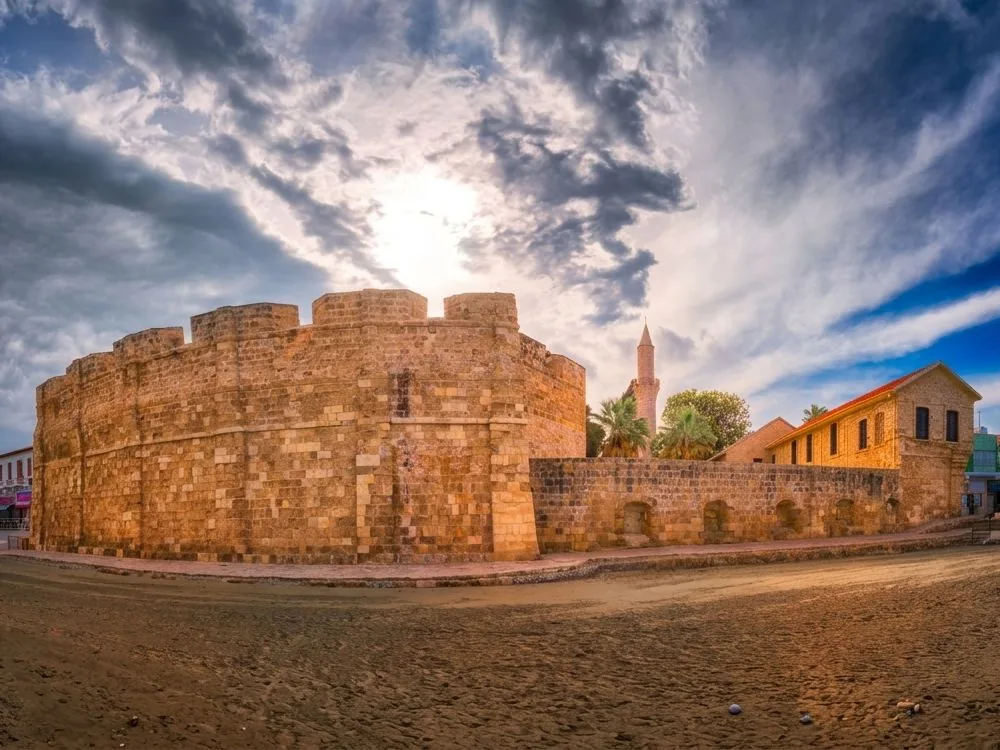
© Castles & Palaces
Quick Facts
- Hours
- Tue–Sun 09:00–17:00. Closed Mon
- Guided tour from
- €199
- Duration
- 45 minutes – 1 hour self-guided; 3–4 hours on the GetYourGuide private city walking tour
- Best time
- October to April
- Nearest city
- Larnaca
Featured Tour
Larnaca: Private City Walking Tour with Local Guide
Cancellation available · Instant confirmation
Highlights
- ✦A Lusignan foundation with an Ottoman face — the castle at the mouth of Larnaca's harbour was originally built under the French Lusignan dynasty that ruled Cyprus from 1192 to 1489; the tower's lower courses are Lusignan stonework, but the building's character today is primarily Ottoman, dating from the post-1570 reconstruction that followed the Ottoman conquest of the island
- ✦The Medieval Museum of Larnaca — the castle's interior houses a collection of tombstones, ceramic pottery from the Lusignan and Ottoman periods, and medieval artefacts from the Larnaca region; the collection is modest but contextualises the castle's successive occupations within Cyprus's layered colonial history
- ✦The Finikoudes promenade setting — Larnaca Castle sits at the southern end of the Finikoudes (Palm Tree) promenade, the city's principal seafront boulevard; the combination of the medieval tower, the beach, and the minaret of the Hala Sultan Tekke mosque visible across the salt lake gives the view from the castle terrace a layered Mediterranean quality found almost nowhere else
- ✦Private walking tour with entrance included — the GetYourGuide private city tour covers Larnaca Castle with entrance fees included, alongside the Church of Saint Lazarus, the Turkish quarter, and the seafront; private format allows flexibility in timing and depth at each stop
- ✦Cyprus's Ottoman garrison history — Larnaca (then known as Salines) was the principal commercial port of Ottoman Cyprus and the residence of most European consuls on the island; the castle was the Ottoman garrison's administrative centre, a role it held from 1570 until the British colonial period, when it was repurposed as a prison — a function it held until 1950
Skip the queue with a guided tour
Skip-the-line tickets & expert guides
Larnaca Castle stands at the southern end of the Finikoudes waterfront, a square Ottoman tower with Lusignan foundations that has been the most prominent landmark of Larnaca's harbour for over six centuries. The building's history begins with the Lusignan dynasty — the French noble family that ruled Cyprus as a crusader kingdom from 1192 to 1489 — who built a fortified tower at this position to control the harbour approach. But the castle as it stands today is primarily Ottoman work, dating from the reconstruction undertaken after the 1570 conquest that transferred Cyprus from Venetian to Ottoman rule.
The Ottoman period was Larnaca's commercial peak. As the island's main trading port — the city was then called Salines, after the salt lake behind it — Larnaca hosted the consulates of most major European powers, whose representatives lived in the city year-round and did their business through the castle's garrison administration. This diplomatic presence gave Larnaca a cosmopolitan character unusual for a Levantine port town, and the castle's courtyard served as the administrative centre of that relationship for nearly three centuries.
The British colonial period that began in 1878 converted the castle to a prison, a function it held until 1950. The transition from Ottoman garrison to colonial prison to heritage museum follows a path common to coastal Mediterranean fortifications of the period, and Larnaca Castle's interiors now house the Medieval Museum — a collection of tombstones, ceramic pottery, and archaeological finds from the Lusignan and Ottoman periods that reads as an honest account of the building's layered occupations rather than a polished heritage narrative.
The castle's location at the end of the Finikoudes promenade is its best feature for the casual visitor. The seafront boulevard, lined with palm trees and café tables, connects the castle to the Church of Saint Lazarus and the city's Turkish quarter in one walkable stretch. The terrace above the castle's main entrance gives views over the harbour and back along the promenade — not spectacular by the standards of Cyprus's more dramatic hilltop fortresses, but genuinely pleasant in a way that rewards an hour's visit.
The GetYourGuide private walking tour covers the castle with entrance fees included, combining it with Saint Lazarus Church, the Turkish quarter of Larnaca, and the waterfront in a format that provides historical context for each stop. The private format allows the pace to be adjusted to the group's interests.
History
A fortified position at the Larnaca harbour mouth is documented from the Lusignan period of Cypriot history (1192–1489). The tower was substantially rebuilt by the Venetians after they acquired Cyprus in 1489, and again by the Ottoman forces following their conquest of the island in 1570 — the current structure is primarily Ottoman construction from this post-1570 period. The castle served as the Ottoman garrison's administrative centre in Larnaca (then Salines) from 1570 until the British colonial acquisition of Cyprus in 1878. Under British administration it was converted to a prison, in which function it served until 1950. The building was subsequently converted to a museum and opened to the public as the Medieval Museum of Larnaca.
How to Visit
Getting there: Larnaca Castle is at the southern end of the Finikoudes promenade in central Larnaca, a 15-minute walk from Larnaca Airport and 5 minutes from the Church of Saint Lazarus. The city centre is compact and walkable.
Tickets: Walk-up entry is approximately €3 per adult; free for children. The GetYourGuide private city walking tour (licensed local guide) includes Larnaca Castle entrance and covers the wider historic quarter — value works out to per-person pricing for groups of 4–6.
Practical tips: The castle is best visited in the morning before the Finikoudes seafront fills up; the terrace view is better appreciated without the afternoon crowd on the promenade below. The Church of Saint Lazarus is 10 minutes' walk north along the promenade — the two together form the core of Larnaca's historic quarter and can be visited in a relaxed morning.
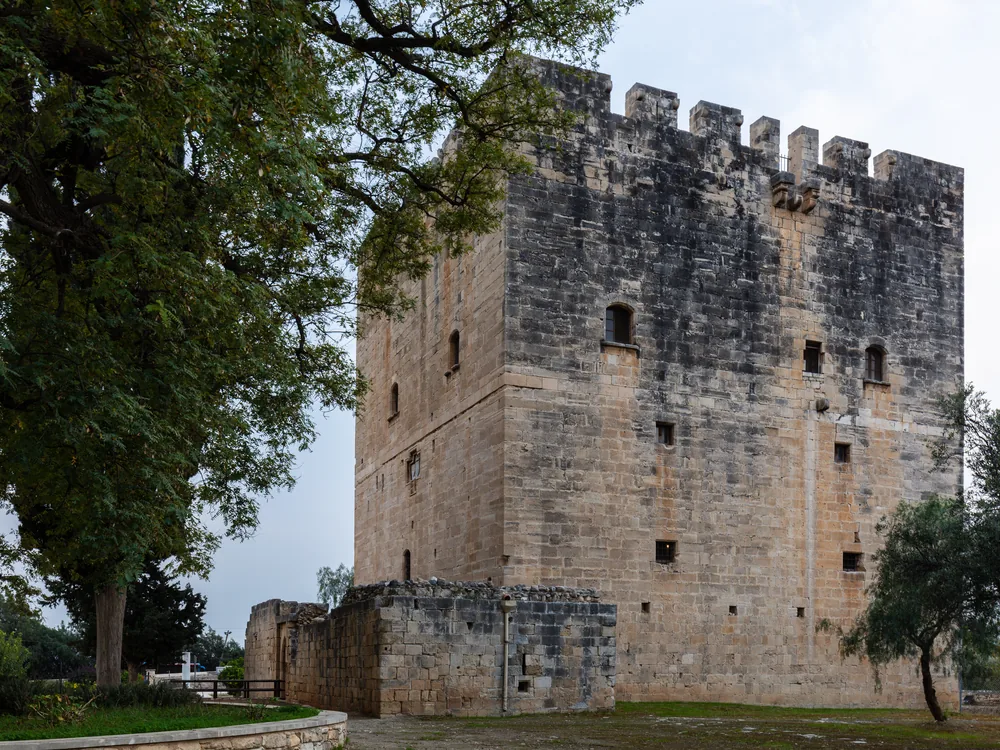
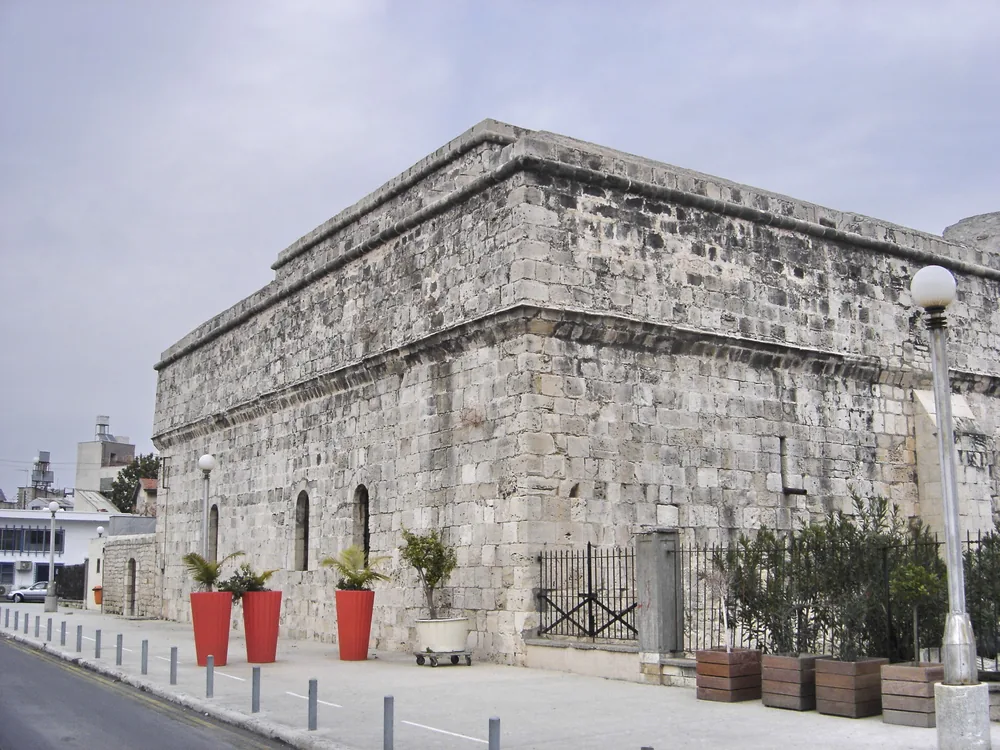
Combine with: Limassol Castle (75 km west — the Lusignan-built harbour castle where Richard I of England married Berengaria of Navarre in 1191, significantly older and more historically charged than Larnaca) and Kolossi Castle (85 km west near Limassol — the exceptionally well-preserved 15th-century Lusignan tower keep that served as the Grand Commandery of the Knights Hospitaller in Cyprus).
Frequently Asked Questions
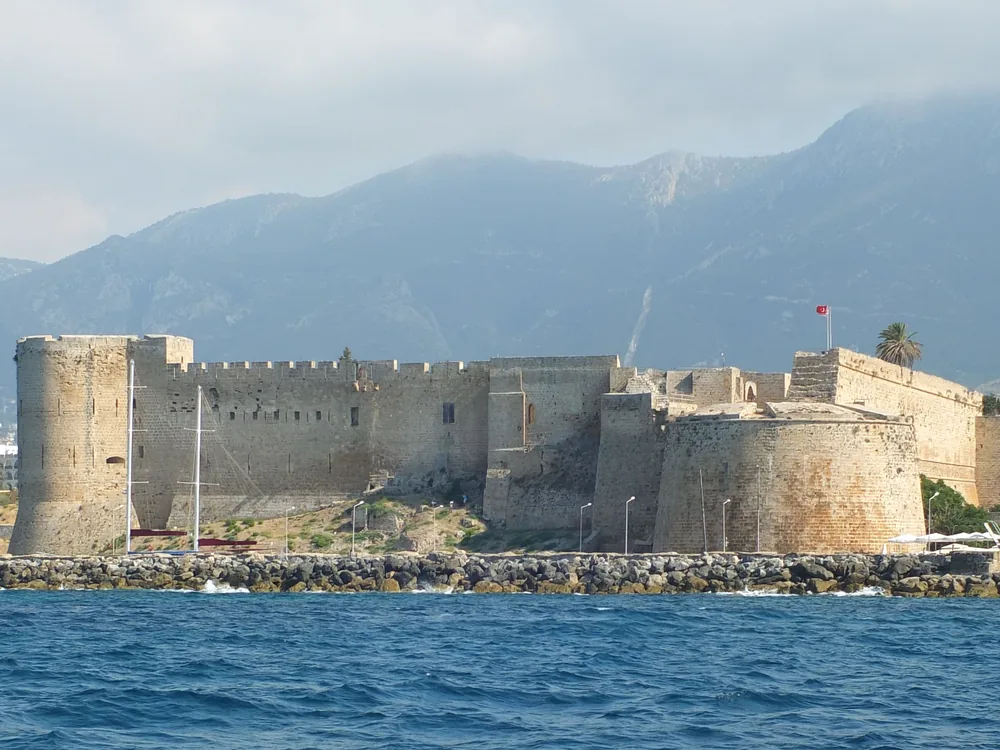
Kyrenia Castle (on Cyprus's northern coast, in territory controlled by Northern Cyprus) is a much larger and more completely preserved Lusignan-Byzantine fortress that was progressively strengthened from the Byzantine through Venetian periods, culminating in the 16th-century Venetian walls that still stand. It houses an important Byzantine shipwreck museum. Larnaca Castle is smaller, primarily Ottoman in character, and more modest in its historical collection. Visiting Kyrenia requires crossing into Northern Cyprus, which involves a separate political and visa context; Larnaca is in the Republic of Cyprus and freely accessible from the island's airports and resorts.
Location
Leoforos Athinon, Larnaca 6023, Cyprus
Nearby Castles
Tours & Tickets
Powered by GetYourGuide
From
€199/ group