
Château de Valençay
Château de Valençay
France · Centre-Val de Loire (Indre), Berry · Near Blois
Built 1540 · French Renaissance (north wing and tower, 1540, replacing a 12th-century castle); Classical 18th-century south tower completing the courtyard; Empire-period interior refitting under Talleyrand from 1803
This page is part of an independent travel guide and is not affiliated with, endorsed by, or operated by Château de Valençay.
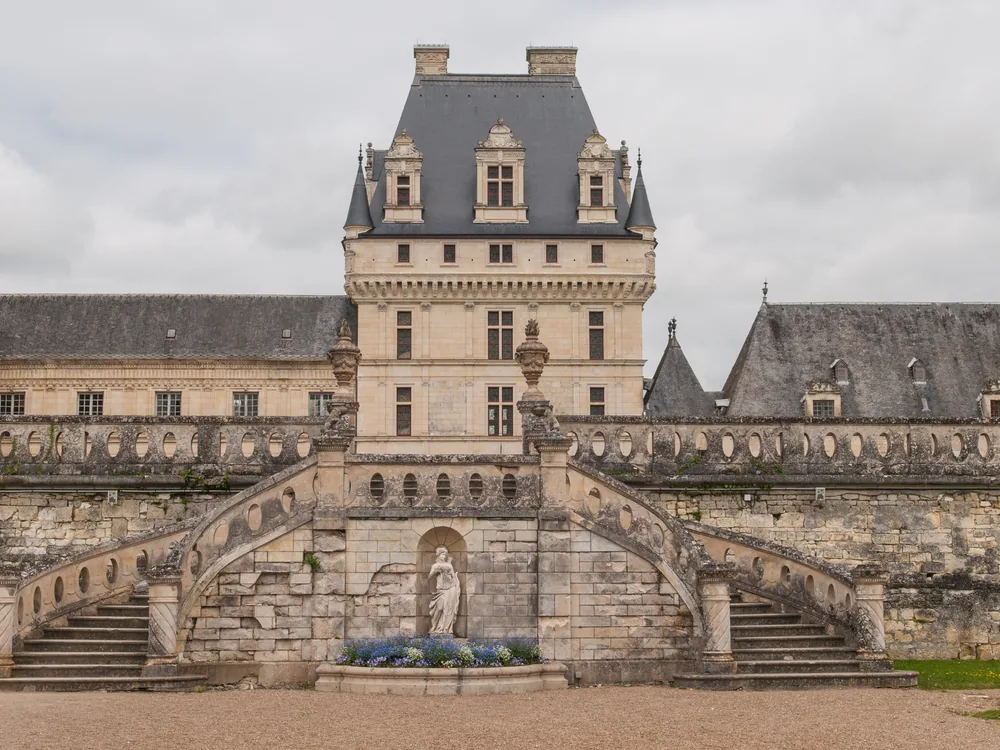
© Castles & Palaces
Quick Facts
- Hours
- Daily 10:00–18:00
- Entry via GetYourGuide
- €7.5
- Duration
- 2–3 hours (château circuit, private theatre, formal gardens, deer park, and car museum)
- Best time
- May to September
- Nearest city
- Blois
Featured Tour
Château de Valençay: Self-Guided Tour of the Castle and its Park
Cancellation available · Instant confirmation
Highlights
- ✦The Spanish Captivity (1808–1814) — Ferdinand VII of Spain and the Infantes were held at Valençay for six years by Talleyrand on Napoleon's orders; the Treaty of Valençay, signed in December 1813, recognized Ferdinand's return to the Spanish throne
- ✦Talleyrand's private theatre — built within the château to entertain the bored Spanish princes during captivity; one of the oldest private theatres in France still in its original location
- ✦Marie-Antoine Carême in the kitchens — the chef who systematized French haute cuisine and created the professional kitchen brigade worked at Valençay during the Talleyrand years; the kitchens are part of the visitor circuit
- ✦Renaissance architecture across three centuries — the 1540 north tower and wing, the 18th-century south tower, and the Empire salons coexist in a seamless visual whole
- ✦Talleyrand's tomb — buried in the park chapel he commissioned; both the chapel and tomb are accessible in the grounds
- ✦Musée de l'Automobile du Valençay — the Sommer Collection of antique and vintage vehicles, included in the entry ticket
Tickets & tours
Book through GetYourGuide
Château de Valençay stands at the end of a long drive through the Berry countryside, 50 kilometres south of the Loire's main château corridor, and it carries a past substantially stranger than any of its more photographed neighbours to the north. The building is Renaissance in origin — begun in 1540 by Jacques d'Estampes on the site of a 12th-century fortress, with a north wing and round tower displaying the canonical French Renaissance vocabulary of the period: rusticated pilasters, dormer windows with carved pediments, a symmetrical courtyard elevation that belongs to the same architectural moment as Azay-le-Rideau and the wings of Chambord. The south tower was not completed until the 18th century, when the estate had passed through the d'Estrées and Villemomble families, but it was designed with such attention to the existing fabric that the chronological seam is almost invisible. The park beyond — formal parterres near the building, English landscape parkland extending further, a deer enclosure beyond — was laid out in the late 18th century.
None of this would distinguish Valençay from a dozen similar châteaux in the Loire basin. What makes it singular is its purchaser and what he was compelled to do with it. In 1803, Charles-Maurice de Talleyrand-Périgord — who had been a bishop before the Revolution, a revolutionary during it, and foreign minister to the Directory and the Consulate — acquired Valençay on the express advice of Napoleon Bonaparte, then First Consul. The reasoning was not sentiment but political necessity: France's principal diplomat needed a residence capable of receiving foreign heads of state, visiting royalty, and delegations from the great powers with appropriate magnificence. Talleyrand refitted the interiors in Empire style, engaged the best available household, and began receiving guests of the calibre of Tsar Alexander I at Valençay.
In 1808, Napoleon reached the summit of his continental ambitions and the beginning of their collapse simultaneously. Having engineered the forced abdications of Charles IV of Spain and his son Ferdinand VII at a meeting in Bayonne, Napoleon installed his brother Joseph on the Spanish throne. The difficulty was what to do with Ferdinand and his relatives. Napoleon's solution was Valençay. Talleyrand was instructed to receive Ferdinand VII, the Infante Antonio Pascual, and the Infante Carlos María Isidro as guests. The three Spanish princes arrived in May 1808. What Napoleon had described to Talleyrand as an arrangement of a few months became six years of carefully supervised captivity. The princes could not leave; their correspondence was monitored; Talleyrand was responsible for their welfare and their containment simultaneously.
Talleyrand, who privately judged the entire Spanish intervention a catastrophic political error, chose to make the captivity as comfortable as possible. He organized hunting in the parkland — Ferdinand was an enthusiastic hunter — arranged concerts, theatrical performances, and social gatherings. Most significantly, he commissioned the construction of a private theatre within the château, purpose-built for performances to entertain the Spanish princes during the long years of their confinement. That theatre survives in its original location, substantially intact, and is accessible to visitors on château guided tours. It is among the oldest private theatres in France still standing in the building for which it was built.
The Valençay kitchens during this period were run by Marie-Antoine Carême. Carême, who had entered Talleyrand's service in Paris after an early career at the pâtissier Bailly's shop and in the kitchens of the Prince of Condé, would become the most influential culinary figure of his era — the chef who systematized French haute cuisine, reduced its technical vocabulary to written principle, and proposed the organizational structure of the professional kitchen that, in modified form, still governs commercial kitchens today. His years in Talleyrand's employ, at Valençay and in the Paris house, are where much of that synthesis happened. The kitchens at Valençay, included in the visitor circuit, have not been dramatically altered.
The captivity ended as Napoleon's empire contracted. In late 1813, with French armies pushed back beyond the Pyrenees, Napoleon finally agreed to release Ferdinand and recognize his return to the Spanish throne. The Treaty of Valençay was signed in December 1813 — in the château itself, in the same rooms Ferdinand had occupied as a prisoner — formalizing his restoration. Talleyrand signed for France. Ferdinand returned to Spain in early 1814.
Talleyrand's own career continued after Napoleon's fall. He served as Louis XVIII's foreign minister at the Congress of Vienna in 1815, extracting remarkable terms for a defeated France, and later as Louis-Philippe's ambassador to London in the 1830s. He died at Valençay in May 1838 at the age of 84, having outlasted every government he had served. He is buried in the park chapel he built at the château, which remains on the estate grounds and is accessible to visitors as part of the park walk.
The château passed to Talleyrand's nephew and later to the family of his great-nephew; the estate remained in family hands until 1952. The visitor circuit today moves through Talleyrand's reception rooms, the Empire-style salons, the Spanish princes' first-floor apartments, the private theatre, and the kitchens. The formal gardens and deer park are open with the grounds. The outbuildings incorporate the Musée de l'Automobile du Valençay — the Sommer Collection of antique and vintage vehicles, an unexpected addition that is included in the general admission price and is a significant specialist collection in its own right.
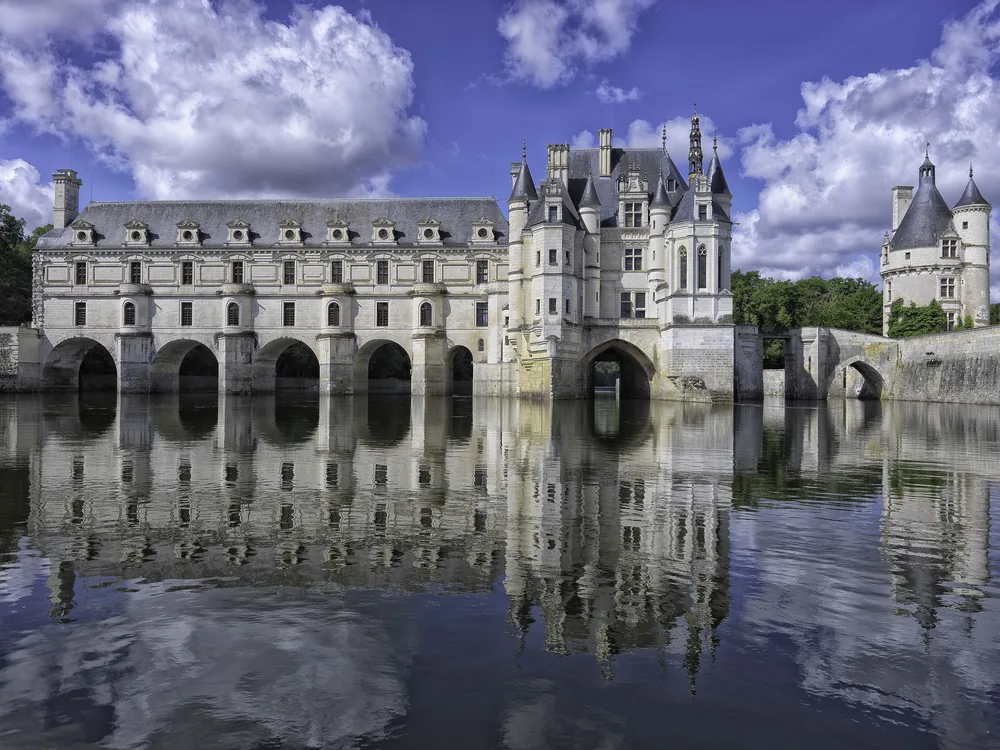
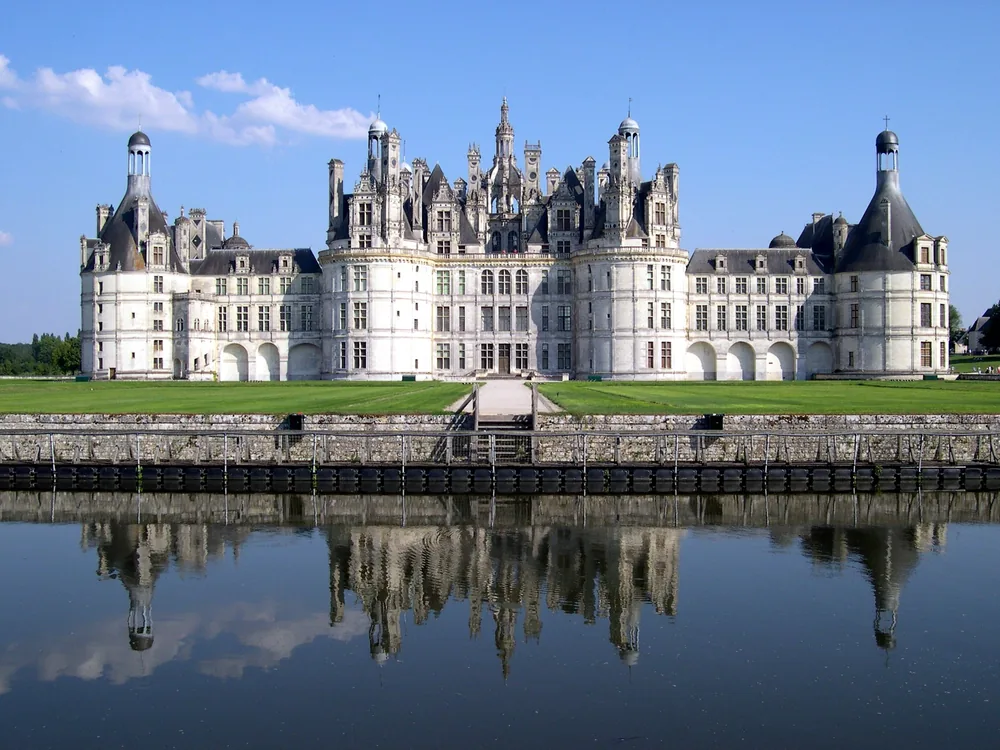
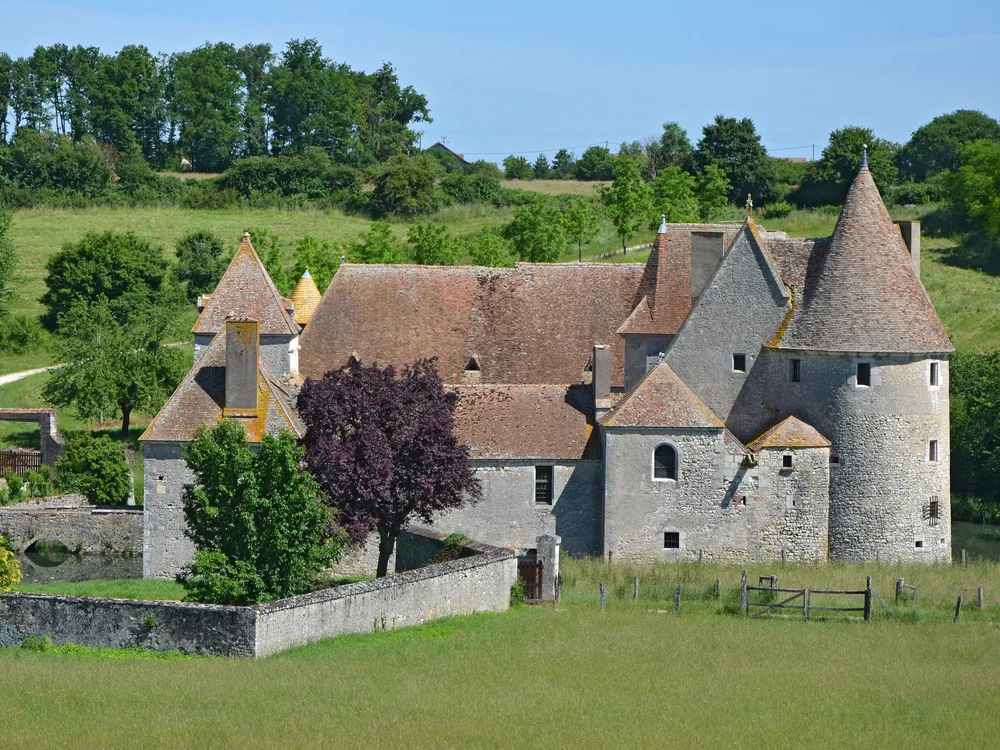
The GetYourGuide self-guided entry ticket provides access to the full château circuit, the theatre, the formal gardens, the deer park, and the car museum. Audio guides in French and English are available at the château reception. Valençay is approximately 50 kilometres south of Blois and 60 kilometres from Tours, accessible by car in under an hour from either. There is no regular bus service from the Loire mainline. Buranlure Castle, in the Cher valley northeast, is a smaller private estate of the same Berry region that pairs naturally with a Valençay visit for those spending a full day in the Cher/Indre zone. Château de Chenonceau and Château de Chambord, the great anchors of the Loire circuit, are each within a comfortable hour's drive to the north.
History
The château at Valençay occupies a site that has been fortified since at least the 12th century, though the building visitors see today is largely a Renaissance construction begun in 1540 by Jacques d'Estampes. A south tower was added in the 18th century, completing the courtyard elevation that still reads as a coherent ensemble despite spanning two centuries of construction.
The estate's defining chapter began in 1803, when Talleyrand — Napoleon's foreign minister — purchased it on the Emperor's explicit advice that a diplomat of his standing required a residence capable of receiving foreign royalty and heads of state with appropriate magnificence. Five years later, Valençay became a gilded prison: Napoleon ordered Talleyrand to house Ferdinand VII of Spain and his brothers as 'guests' from May 1808, when their forced abdication made them a diplomatic liability. Talleyrand organised hunting, concerts, and theatrical performances for the captive princes — and built a private theatre within the château for their diversion, one of the oldest private theatres in France still in its original location. The captivity lasted until December 1813, when the Treaty of Valençay — signed in the château itself — restored Ferdinand to the Spanish throne.
Talleyrand died at Valençay in 1838 and is buried in the park chapel he commissioned. The estate remained in the family until 1952.
How to Visit
Getting there: 50 km south of Blois, 60 km east of Tours by car — under an hour from either. No regular bus service from the Loire mainline; a car or hired driver is required. Small car park at the château entrance.
Tickets: Walk-up admission is €16.50 for adults, €11.50 for children, and includes the full château circuit, private theatre, formal gardens, deer park, and the Musée de l'Automobile du Valençay (Sommer Collection). The GetYourGuide self-guided tour provides advance booking and covers the castle and its park. Audio guides in French and English are available at the château reception.
Practical tips: Prioritise the private theatre and the kitchens — the theatre is one of the oldest intact private theatres in France and the kitchens retain their original Carême-era scale. Allow 2–3 hours minimum to cover the château circuit and the car museum. The château is open April to 11 November only and closed December to March.
Combine with: Château de Chenonceau and Château de Chambord are each under an hour north on the main Loire circuit and make natural day-trip companions. Buranlure Castle is a quieter Berry private estate ~35 km northeast for visitors spending a full day in the Cher/Indre zone.
Frequently Asked Questions
Napoleon advised Talleyrand directly on the acquisition and, according to contemporary accounts, accompanied him to inspect several candidate properties. His motivation was practical: France's foreign minister needed a residence capable of receiving foreign royalty and heads of state with appropriate grandeur. The purchase was Talleyrand's own, but Napoleon's influence on the decision was direct.
Location
2 Route de Blois, 36600 Valençay, France
Nearby Castles
Tours & Tickets
Powered by GetYourGuide
From
€7.5/ person