
Château de Chenonceau
Château de Chenonceau
France · Loire Valley · Near Tours
Built 1514 · French Renaissance
This page is part of an independent travel guide and is not affiliated with, endorsed by, or operated by Château de Chenonceau.
© Unsplash
Quick Facts
- Hours
- Daily 09:00–17:00
- Day trip from
- €19
- Duration
- 2–3 hours
- Best time
- April to June for the gardens in full bloom
- Nearest city
- Tours
Featured Tour
Chenonceau Castle Admission Ticket
Cancellation available · Instant confirmation
Highlights
- ✦The only château in France built as a bridge spanning an entire river — the Cher
- ✦The 60-metre long gallery across the river is one of the finest Renaissance interiors in France
- ✦Associated with six extraordinary women, including Diane de Poitiers and Catherine de Médicis
- ✦The wax figures in the kitchens recreate life in the château with unusual immediacy
- ✦During WWI the bridge gallery served as a military hospital — tiles marked the ambulance routes
Tickets & tours
Book through GetYourGuide
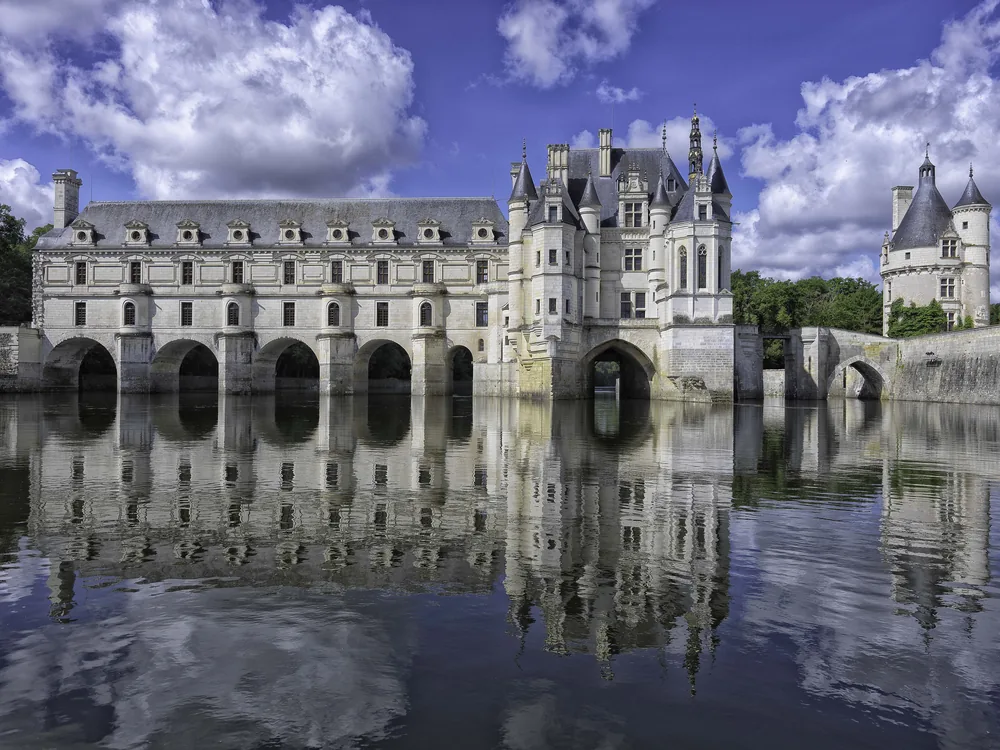
Of all the great châteaux of the Loire Valley, Chenonceau is the one that surprises you most. The approach is classical — a long allée of plane trees, formal gardens to either side, a round tower from the original medieval manor. Then you turn the corner and see it: the château spanning the Cher river on five arches, its reflection shimmering below, a 60-metre gallery extending across the water like a hall suspended between two banks.
Chenonceau is unique in France: a castle that functions simultaneously as a building and a bridge. The original manor was built in 1514 on a mill foundation in the river. Catherine Briçonnet, the wife of the tax collector who purchased the site, supervised the construction herself, commissioning one of the first staircases in French architecture to have a straight rather than spiral flight — a small detail that marked a rupture with the medieval. What followed was a series of powerful women who transformed a tax collector's home into one of France's great architectural statements.
Diane de Poitiers, mistress of Henri II, designed the first formal garden and built the bridge over the Cher. After Henri's death, his widow Catherine de Médicis evicted Diane and built the two-storey gallery across the bridge, hosting the most lavish parties of the 16th century. Louise de Lorraine, who inherited the château after her husband Henri III was assassinated, went into mourning for the rest of her life — her room, still decorated in black and silver, is one of the most haunting spaces in Loire Valley architecture.
Chenonceau was the second most visited monument in France after Versailles for many years. The secret is that, unlike Versailles, it feels personal. The gardens are intimate, the rooms furnished with genuine objects, the story of the women who shaped it told at every turn.
History
The land at Chenonceau was acquired by Thomas Bohier, a tax collector for the French crown, in 1513. His wife Catherine Briçonnet supervised the construction of the main building between 1514 and 1522, earning Chenonceau its reputation as a 'ladies' castle' from the very beginning — though the designation more properly belongs to its later owners.
Henri II gave the château to his favourite, Diane de Poitiers, in 1547. Diane, fifteen years older than the king and his intellectual and romantic companion for decades, transformed the estate: she designed the formal garden on the eastern bank and in 1556 built the bridge over the Cher, the element that makes Chenonceau architecturally unique. When Henri II died in a jousting tournament in 1559, his widow Catherine de Médicis immediately reclaimed Chenonceau from Diane, who was evicted to Anet.
Catherine de Médicis built the two-storey gallery across Diane's bridge between 1576 and 1581, hosting elaborate fêtes in it — including the first time fireworks were used in France. She envisioned a great château on the south bank of the Cher to complete the composition, but died before it could be built. The foundation piers are still visible in the riverbank.
During the First World War, the gallery across the river served as a military hospital, with nearly 2,000 wounded soldiers treated there between 1914 and 1918. During the Second World War, the château's unique geographical position made it politically significant: the north bank was in the German-occupied zone, the south bank in Vichy France, and the gallery became a clandestine passage used by the French Resistance to move people across the demarcation line.
How to Visit
Getting there: Chenonceaux village (note the extra 'x') has a train station served from Tours (45 min) and Amboise (20 min) — not all trains stop there, so check timetables. The château is a 5-minute walk from the station. By car from Tours: 34 km southeast via D40, ~40 min. From Paris: TGV to Tours (1h10), then regional TER to Chenonceaux.
Tickets: Adults €17, children €13. The GetYourGuide admission ticket covers castle entry; the same GetYourGuide tour also combines Chambord, Amboise, and Cheverny on a full Loire day.
Practical tips: Walk the Diane de Poitiers garden and Catherine de Médicis garden before entering — the views of the five arches from the gardens are as impressive as anything inside. Inside, prioritise the kitchen in the basement (built into a bridge arch directly over the river) and the 60-metre gallery on the first floor with windows on both sides looking down to the Cher.
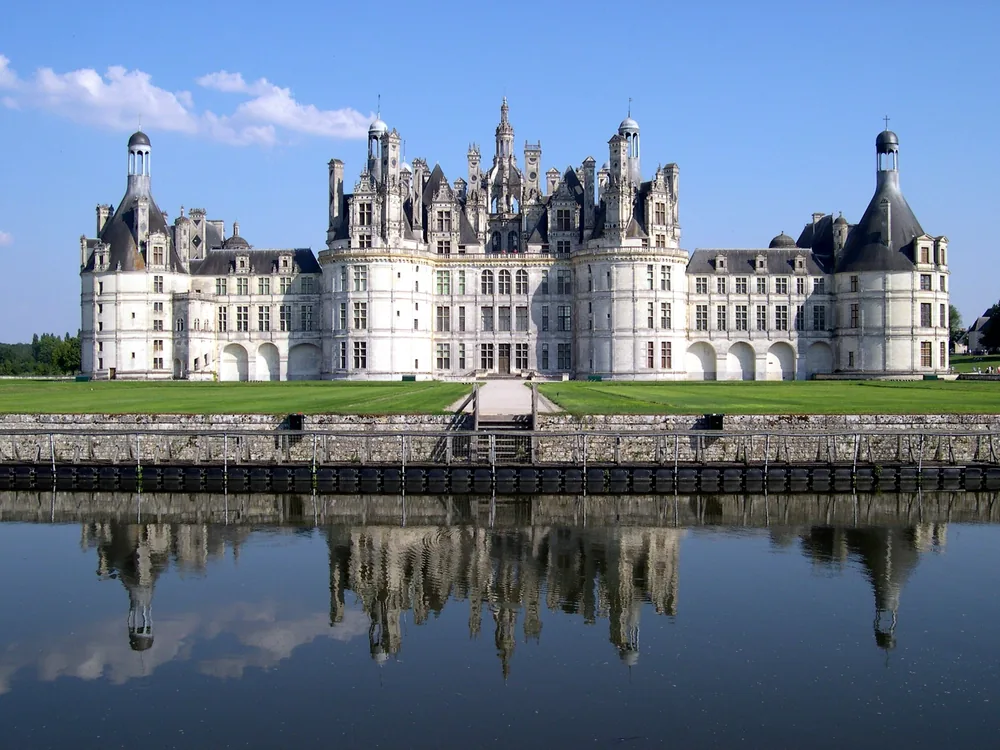
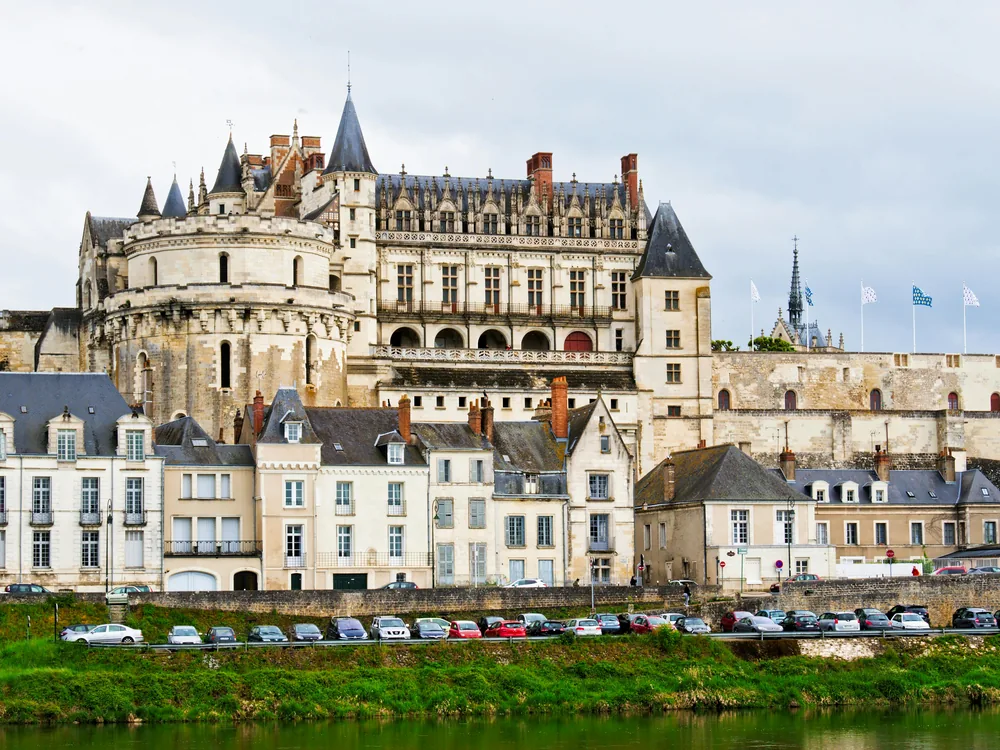
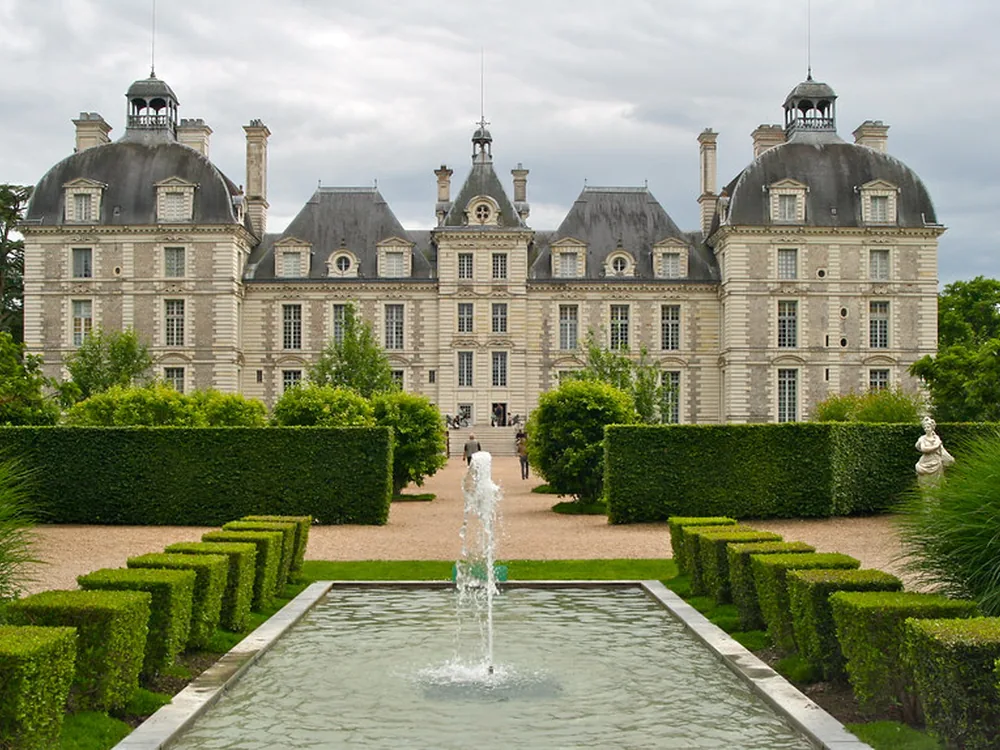
Combine with: Château d'Amboise (12 km north) and Clos Lucé Castle for a natural half-day pairing; Château de Chambord, Château de Cheverny, and Château de Chaumont-sur-Loire on the wider Loire circuit.
Frequently Asked Questions
Six women shaped Chenonceau more than any man. Catherine Briçonnet supervised its original construction in 1514. Diane de Poitiers, mistress of Henri II, built the bridge over the Cher. Catherine de Médicis built the gallery across the bridge and hosted France's most lavish Renaissance fêtes there. Louise de Lorraine inherited it after her husband's murder and spent 11 years in mourning in the château. Later, two more women — Madame Dupin in the 18th century and Madame Pelouze in the 19th — funded major restorations. The château's story is, unusually, told by its women.
Location
Château de Chenonceau, 37150 Chenonceaux, France
Nearby Castles
Tours & Tickets
Powered by GetYourGuide
From
€19/ person