
Cahir Castle
Caisleán an Chathair
Ireland · County Tipperary · Near Cahir
Built 1142 · Medieval Irish tower castle
This page is part of an independent travel guide and is not affiliated with, endorsed by, or operated by Cahir Castle.
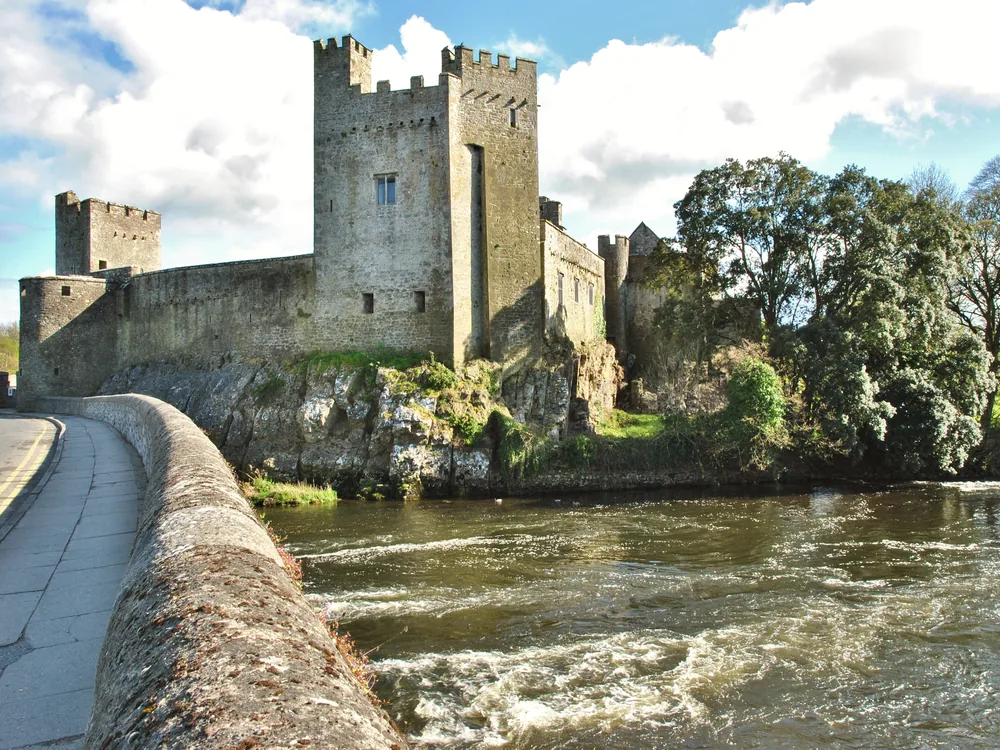
© Unsplash
Quick Facts
- Hours
- Daily 09:00–18:00
- Day trip from
- €85
- Duration
- 1.5–2.5 hours
- Best time
- Spring and summer for guided tours and the Suir River views
- Nearest city
- Cahir
Featured Tour
Dublin: Blarney Castle, Rock of Cashel & Cahir Castle
Cancellation available · Instant confirmation
Highlights
- ✦One of the largest medieval tower castles in Ireland, built on a rocky island in the River Suir and continuously inhabited for over 700 years
- ✦Survived virtually intact from the medieval period despite attacks by the Earl of Essex (1599) and Cromwell's forces (1650) — surrendered both times without significant damage
- ✦Appeared in John Boorman's 1981 film Excalibur as Camelot — one of the most recognisable castle film settings in Irish cinema
- ✦Three interlocking wards (outer, middle, and inner) with impressive towers, a great hall, and a working portcullis — the most complete medieval gatehouse mechanism in Ireland
- ✦Free guided tours in summer from the OPW — among the best-value castle experiences in Ireland at €5 entry
Tickets & tours
Book through GetYourGuide
Cahir Castle occupies a rocky island in the River Suir in the heart of County Tipperary — a position that made it one of the most defensible and consequently best-preserved medieval fortresses in Ireland. Three interlocking wards, massive towers, a great hall, and Ireland's most complete surviving portcullis mechanism give Cahir a completeness of medieval fabric that few Irish castles can match. And unlike many Irish castles that surrendered to time and neglect, Cahir survived centuries of conflict largely intact — it was taken three times (by Essex in 1599, by Cromwell in 1650, and by Inchiquin in 1647) but each time surrendered with minimal damage.
The Butler family — Earls and later Barons of Cahir — held the castle from the mid-14th century until 1961, when the last Baron died without heirs and the castle passed to the state. Seven centuries of continuous ownership by one family produced a building that accumulated rather than replaced — the massive outer ward tower from the 15th century, the great hall from the 16th, the residential improvements from the 17th, all sitting side by side in layered historical palimpsest.
The River Suir provides the castle's most distinctive aspect: the water surrounds the rock on which the castle stands, creating a moat effect without the artificiality of an excavated ditch. The views from the towers over the river and the town of Cahir are quietly beautiful in the soft Tipperary light.
History
The site of Cahir Castle was fortified by Conor O'Brien, King of Thomond, around 1142. The castle passed through several Hiberno-Norman families before being granted to the Butler family in 1375 by Edmund Butler. The Butlers — one of the most powerful Anglo-Norman families in Ireland, who served as Earls of Ormond and later created the subsidiary title of Baron Cahir — expanded and strengthened the castle throughout the 15th and 16th centuries.
Cahir's survival through the Tudor conquest of Ireland is somewhat paradoxical: the Butlers were nominally loyal to the English crown but managed to maintain their independence through skilful negotiation. When Robert Devereux, Earl of Essex, arrived with an army in 1599 as Lord Lieutenant of Ireland and bombarded the castle, it surrendered after a brief resistance — the only occasion in its history when Cahir's walls were breached by artillery. Cromwell's forces achieved the same result in 1650 with even less resistance.
The castle was restored in the 1840s under the direction of J. J. McCarthy, the Irish Gothic Revival architect, who provided the current drawbridge mechanism and various interior restorations. The last Baron Cahir died in 1961 and the castle was taken into state care, eventually coming under the management of the Office of Public Works, which has maintained it to a high standard since.
How to Visit
Getting there: Cahir is on the N24 between Tipperary and Clonmel, 2 hours from Dublin and 1.5 hours from Cork by car. Bus Éireann services from Dublin via Tipperary take about 3 hours. The castle is in the town centre, visible from the main street.
Tickets: Entry costs €5 (children €3). The GetYourGuide day trip covers Blarney Castle, Rock of Cashel, and Cahir Castle on a 12-hour tour from Dublin — three major Irish heritage sites in one day.
Practical tips: Free guided tours run in summer from the OPW, walking visitors through all three wards and explaining the Butler family's 700-year ownership. Cahir is one of the least-crowded major castles in Ireland — no need to time your visit carefully.
Combine with: Rock of Cashel 16 km north and Blarney Castle 80 km southwest — all three covered by the same GetYourGuide Dublin day trip.
Frequently Asked Questions
Yes — Cahir Castle was used as Camelot in John Boorman's 1981 film Excalibur, one of the most visually striking Arthurian films. The castle's well-preserved medieval fabric and Irish setting made it ideal. It has also appeared in various other Irish film and TV productions.
Location
Castle Street, Cahir, Co. Tipperary, Ireland
Nearby Castles
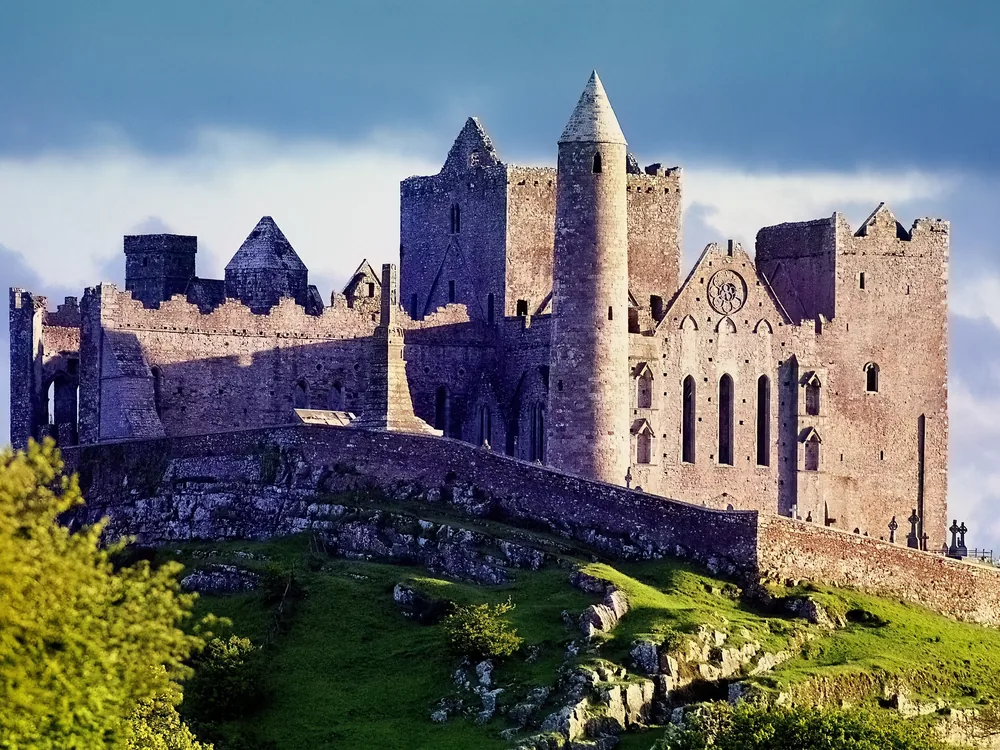
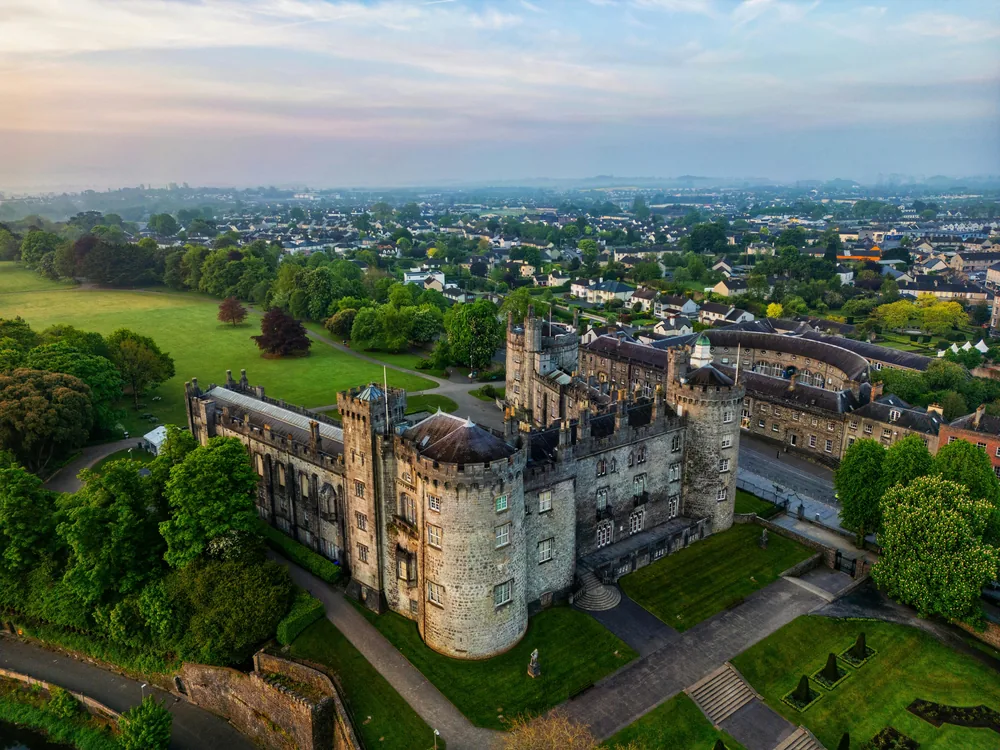
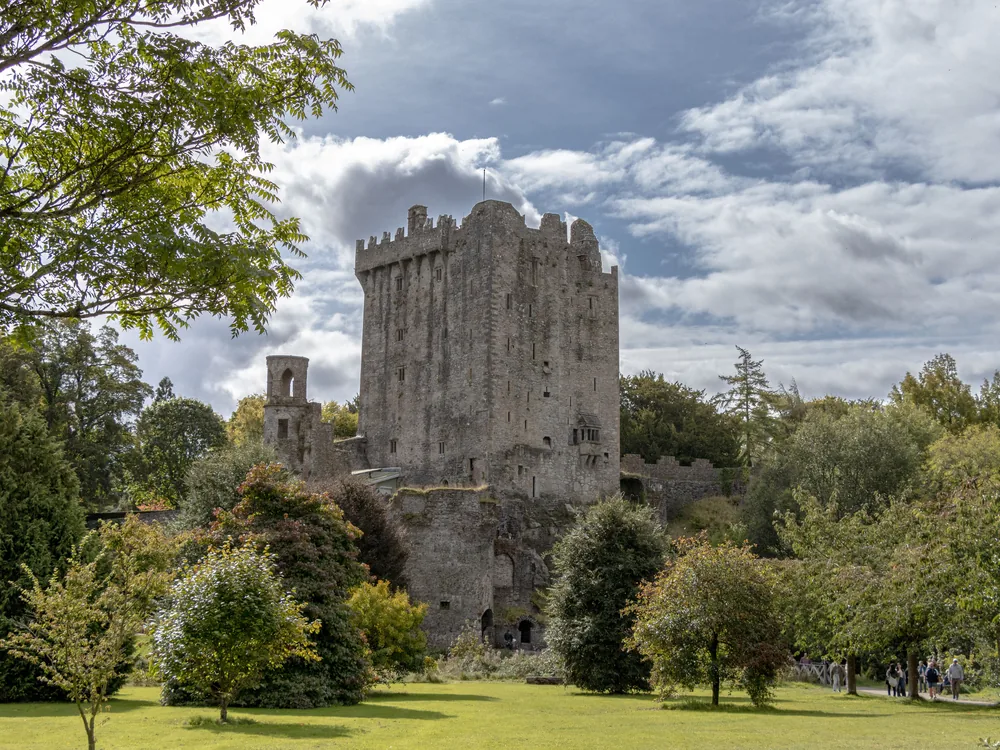
Tours & Tickets
Powered by GetYourGuide
From
€85/ person