
Carini Castle
Castello di Carini
Italy · Sicily · Near Palermo
12th century · Norman castle; built c.1100 on a hill above Carini, 23 km west of Palermo; the castle passed through the Chiaramonte, Cabrera, and La Grua-Talamanca families; site of the 1563 murder of Laura La Grua (the Baronessa di Carini), which inspired the most celebrated anonymous ballad of Sicilian literary tradition; the current structure retains Norman towers and medieval curtain walls with later 15th–16th century residential additions; largely off the main international tourist circuit despite its profound literary significance
This page is part of an independent travel guide and is not affiliated with, endorsed by, or operated by Carini Castle.
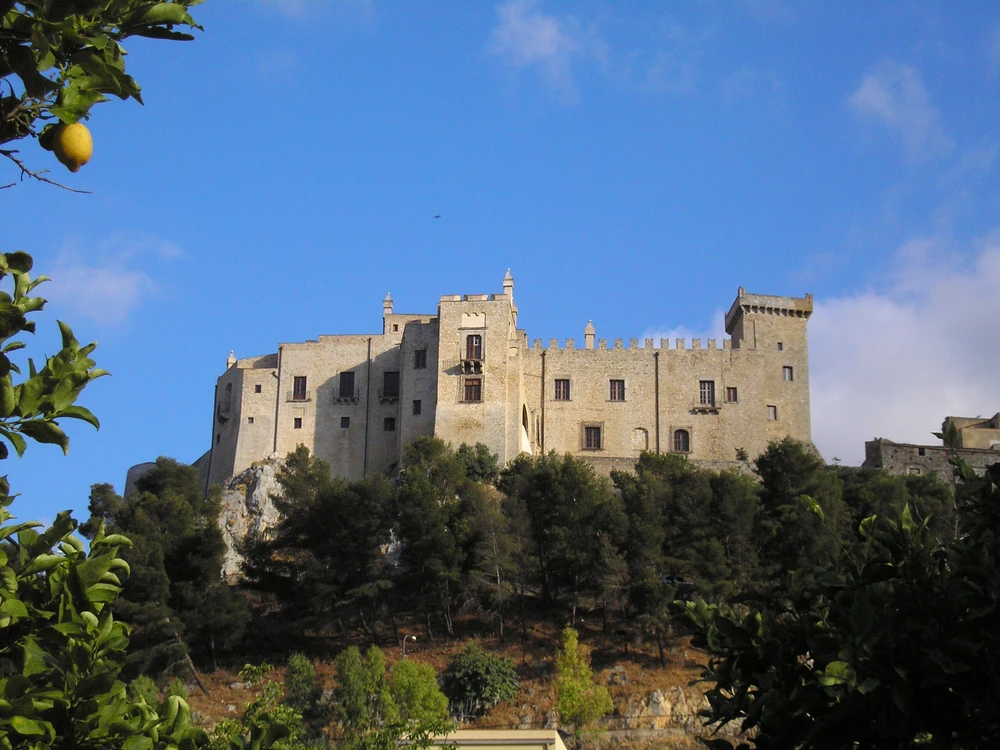
© Castles & Palaces
Quick Facts
- Hours
- Daily 09:00–13:00
- Guided tour from
- €23
- Duration
- 1.5 hours
- Best time
- March to June, September to November
- Nearest city
- Palermo
Featured Tour
Carini: Guided Tour of the Baroness's Castle
Cancellation available · Instant confirmation
Highlights
- ✦Setting of the most significant text in Sicilian vernacular literary tradition — the anonymous 16th-century ballad commemorating the murder of Laura La Grua, Baronessa di Carini, killed by her father on 4 December 1563
- ✦Norman foundations dating to the 12th century, from the most culturally sophisticated kingdom in medieval Europe — where Arabic, Greek, Latin and Norman French coexisted in a single state
- ✦The castle passed through the Chiaramonte dynasty (builders of the Steri in Palermo and the Castello di Mussomeli) before reaching the La Grua-Talamanca family
- ✦Medieval curtain walls and Norman towers preserved despite centuries of limited investment — the castle retains an authenticity absent from more frequently restored Sicilian monuments
- ✦Part of a western Sicilian Norman circuit that also takes in Caccamo (34 km east), Monreale (9 km south of Palermo), and the Cappella Palatina
Skip the queue with a guided tour
Skip-the-line tickets & expert guides
On a hill above the town of Carini, 23 kilometres west of Palermo, stands a Norman fortress that most visitors to Sicily drive past on the motorway below without knowing it exists. The Castello di Carini is not one of the island's famous showpieces — not as dramatically positioned as the rock-top castle of Caccamo, not as immediately monumental as the Palazzo dei Normanni in Palermo. But it is the setting of what literary scholars consider the single most important poetic text in the Sicilian vernacular tradition: an anonymous ballad of the late 16th century commemorating the murder of Laura La Grua-Talamanca, Baronessa di Carini, killed in her own bedroom on the morning of 4 December 1563. In Sicily, everyone knows the Baronessa's name.
The castle was built in the 12th century during the Norman kingdom of Sicily, one of the most culturally sophisticated states in medieval Europe — a kingdom where Arabic, Greek, Latin and Norman French coexisted in architecture, administration and scholarship. Carini was a strategic site controlling the coastal road west of Palermo and the approach to the Conca d'Oro plain. The original structure was a tower keep with surrounding curtain walls, typical of Norman defensive architecture in Sicily. It passed through a succession of noble families over the following centuries: the Chiaramonte in the 14th century — the same dynasty that built the Steri palace in Palermo and the Castello di Mussomeli — and subsequently the Cabrera and the La Grua-Talamanca families, who held the castle until the modern era.
The event that made Carini famous happened not on any battlefield but in a private chamber. On 4 December 1563, Laura La Grua-Talamanca, wife of Vincenzo La Grua and daughter of Don Cesare Lanza, Count of Mussomeli, was killed in the castle by her father. The killing was an honour murder — Don Cesare discovered his daughter in the company of her lover, Ludovico Vernagallo, and shot her on the spot. The event is documented in contemporary notarial records but its literary afterlife has far exceeded its historical significance. An anonymous Sicilian ballad, composed within a few years of the murder, narrates the events with lyrical intensity and operatic grief. The poem — known simply as La Baronessa di Carini — was transmitted orally across Sicily for three centuries before being written down; the scholar Lionardo Vigo published the first recorded version in 1870, followed by a critical edition by Salvatore Salomone-Marino in 1873. Multiple manuscript versions exist, differing in length and detail but sharing the same narrative core: a woman of rank, killed for love, mourned in verse. The ballad is studied in Italian secondary schools today and remains in active print.
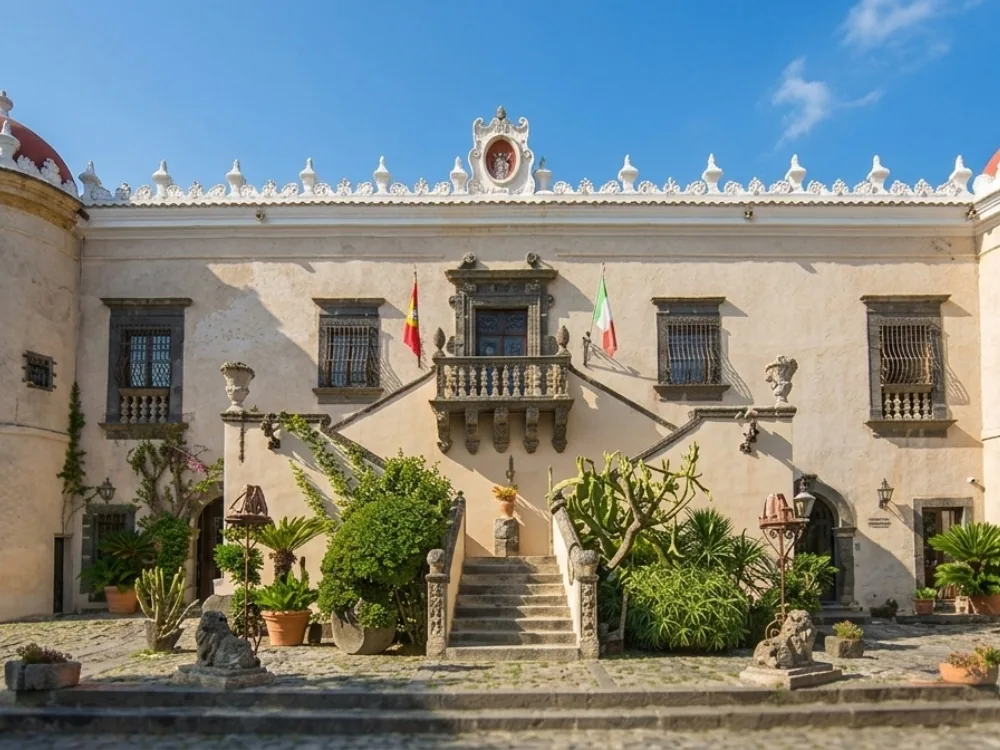
The castle today retains its Norman tower and sections of medieval curtain wall, with 15th- and 16th-century residential additions that reflect the shift from purely defensive to partly residential use that characterised Sicilian noble castles in the later Middle Ages. The interior includes period furnishings and objects relating to the Baronessa legend. What distinguishes the visit is the sense of accumulated history that comes from a place preserved without excessive intervention: Carini feels like a castle that has been lived in and mourned in rather than one that has been curated for display.
Carini belongs to a network of Norman sites in western Sicily that receives far less international attention than the more celebrated monuments of the island's southeast. The circuit is compact and rewarding: the Castello di Caccamo (34 km east — the largest Norman castle in Sicily, dramatically positioned above the Rosbìa gorge) can be combined with Carini in a single day; the cathedral and cloister of Monreale (9 km south of Palermo), with the largest intact cycle of Byzantine mosaics in the world outside Hagia Sophia, is a natural companion for an afternoon. Carini itself fits naturally into a route that begins in Palermo, continues west to the castle, and returns via Monreale — a circuit of roughly 70 km that takes in a thousand years of Norman Sicily in a day.
History
The site of Carini was fortified during the Norman kingdom of Sicily in the 12th century, part of a network of hilltop strongholds controlling the coastal territory west of Palermo. The castle passed through the hands of the Chiaramonte dynasty in the 14th century — the most powerful baronial family in medieval Sicily, responsible also for the Steri palace in Palermo and the Castello di Mussomeli — before passing to the Cabrera and subsequently the La Grua-Talamanca family.
The event that fixed Carini in Sicilian cultural memory occurred on 4 December 1563, when Laura La Grua-Talamanca, Baronessa di Carini, was murdered by her father Don Cesare Lanza after he discovered her with her lover. The murder generated an anonymous vernacular ballad that was transmitted orally for three centuries before being published by Lionardo Vigo in 1870. The poem La Baronessa di Carini is now considered the most significant text in the Sicilian literary vernacular tradition and is taught in Italian schools.
The castle subsequently fell into the institutional neglect common to many Sicilian monuments outside the principal heritage circuit. It has been partially restored and opened to visitors, though it remains off the main international tourist routes. The structure retains Norman towers and curtain walls with 15th- and 16th-century residential additions — an authentic medieval complex whose significance is literary rather than military.
How to Visit
Getting there: Carini is 23km west of Palermo. By car, take the A29 motorway (exit Carini) — approximately 25 minutes from Palermo city centre. By regional train from Palermo Centrale to Carini station (25–30 minutes, roughly hourly); the castle is a 10-minute uphill walk through the historic town centre from the station.
Tickets: Direct admission is approximately €8 for adults (children free); no advance booking required. The GetYourGuide guided tour includes castle admission and a bilingual (Italian and English) expert guide specialising in Norman architecture and the Baronessa legend, with free cancellation up to 24 hours in advance.
Practical tips: The castle opens 09:00–13:00 only — plan a morning visit. The hilltop position gives views across the Conca d'Oro plain toward Palermo; the Norman curtain walls and towers photograph well in morning light.
Combine with: Castle of Caccamo (34km east) is the largest Norman feudal castle in Sicily and pairs naturally with Carini for a full day of Norman heritage from Palermo. Monreale Cathedral (9km south of Palermo), with the largest intact cycle of Byzantine mosaics outside Hagia Sophia, is a natural stop on the return to the city.
Frequently Asked Questions
Laura La Grua-Talamanca, Baronessa di Carini, was a Sicilian noblewoman murdered in Carini Castle by her father, Don Cesare Lanza, on 4 December 1563, after he discovered her with her lover, Ludovico Vernagallo. Within a few years of her death, an anonymous Sicilian author composed a ballad — La Baronessa di Carini — that narrated her murder with lyrical power and circulated orally across Sicily for three centuries. When the scholar Lionardo Vigo published the first written version in 1870, it was immediately recognised as the most important surviving text in the Sicilian vernacular literary tradition. It is studied in Italian schools and remains in print.
Location
Piazza Castello, 90044 Carini, PA, Italy
Nearby Castles
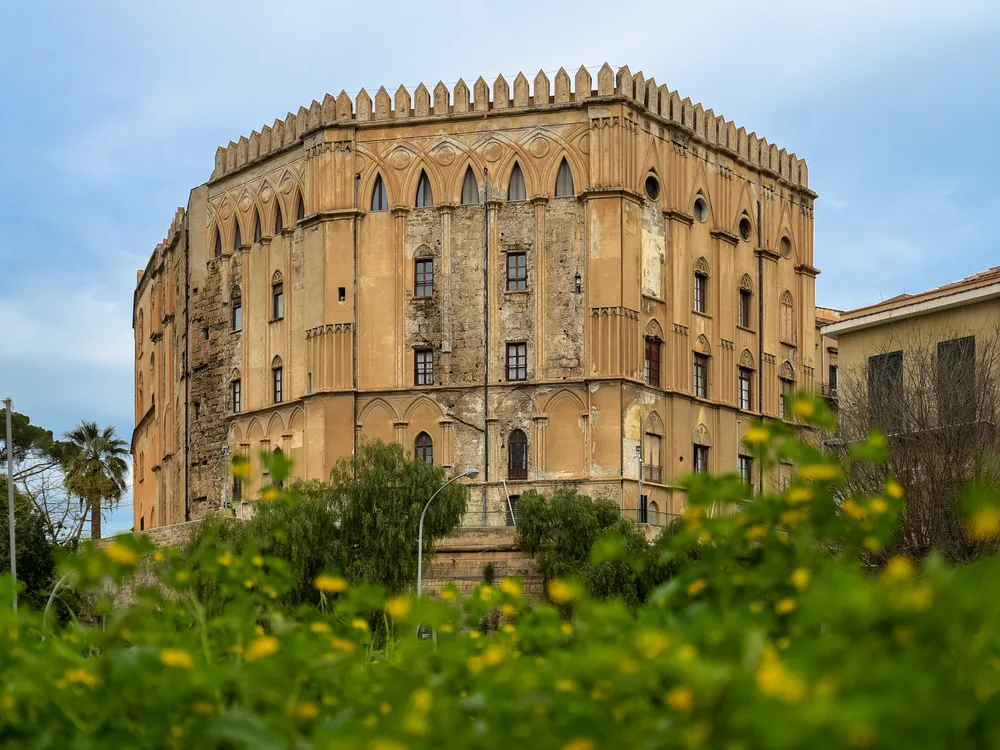
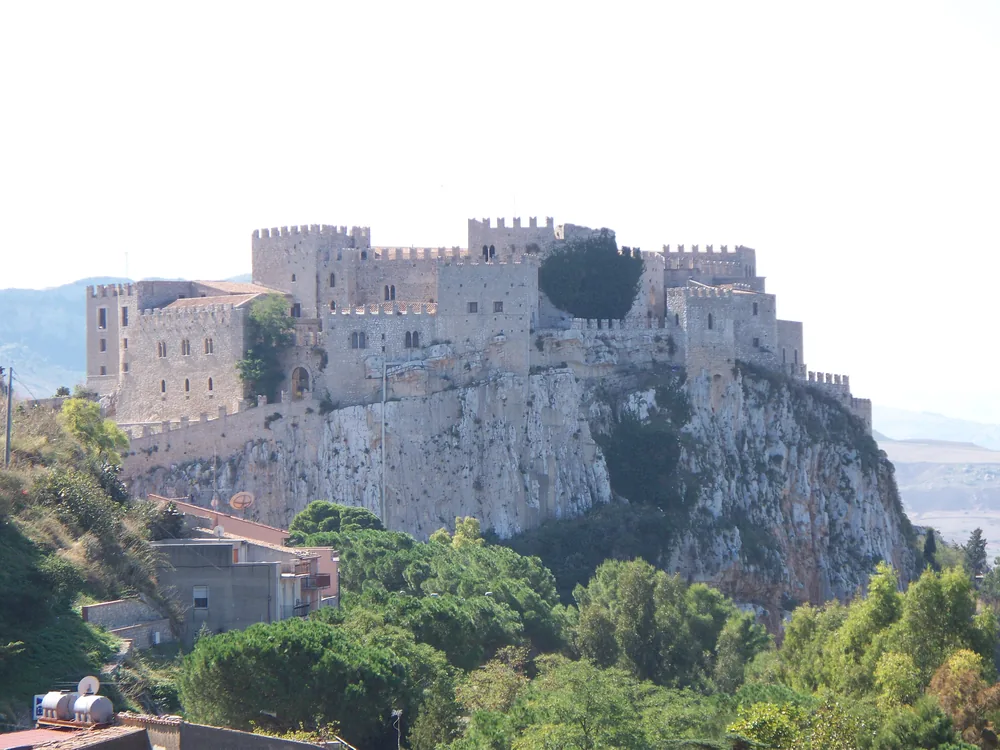
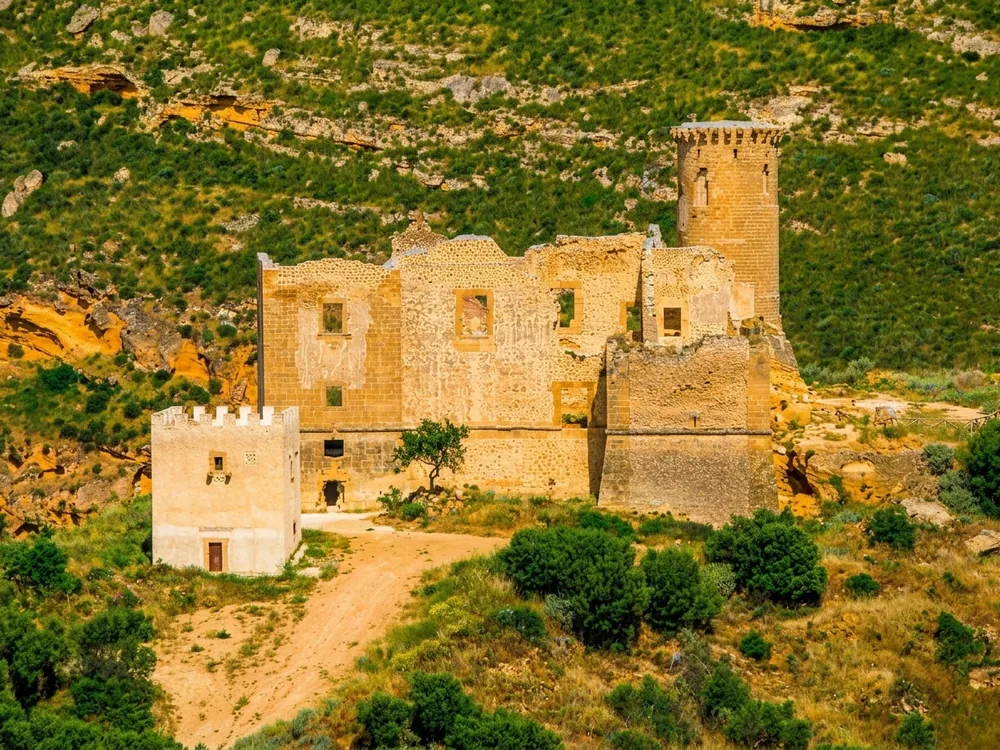
Tours & Tickets
Powered by GetYourGuide
From
€23/ person