Castello di Valbona
Castello di Valbona
Italy · Lozzo Atestino, Colli Euganei, Veneto · Near Padua
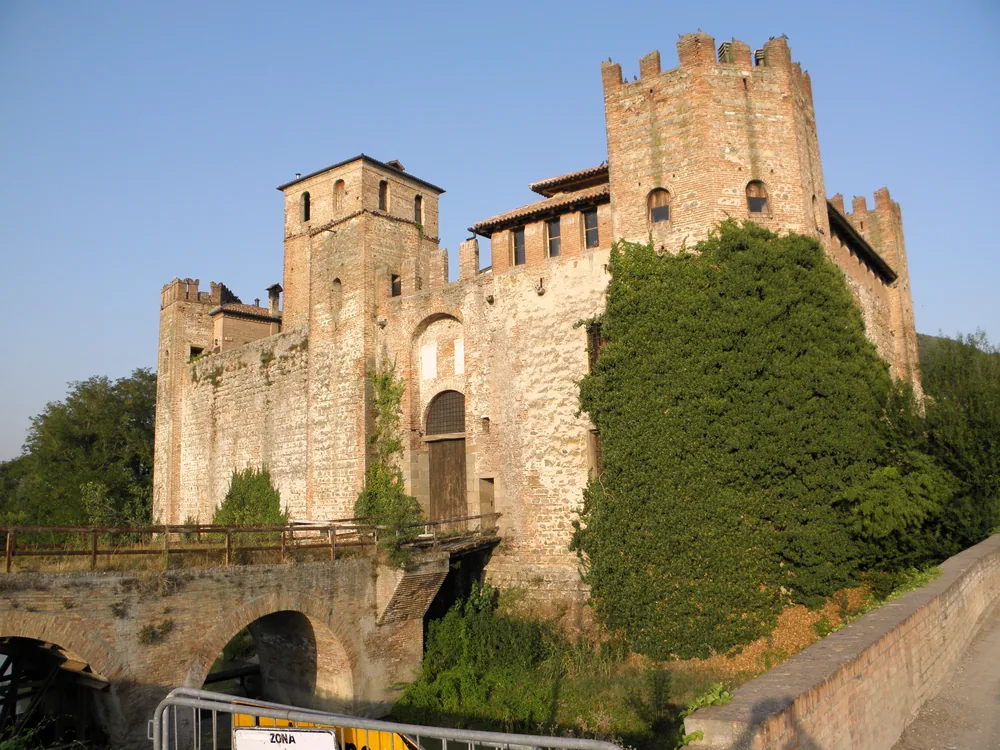
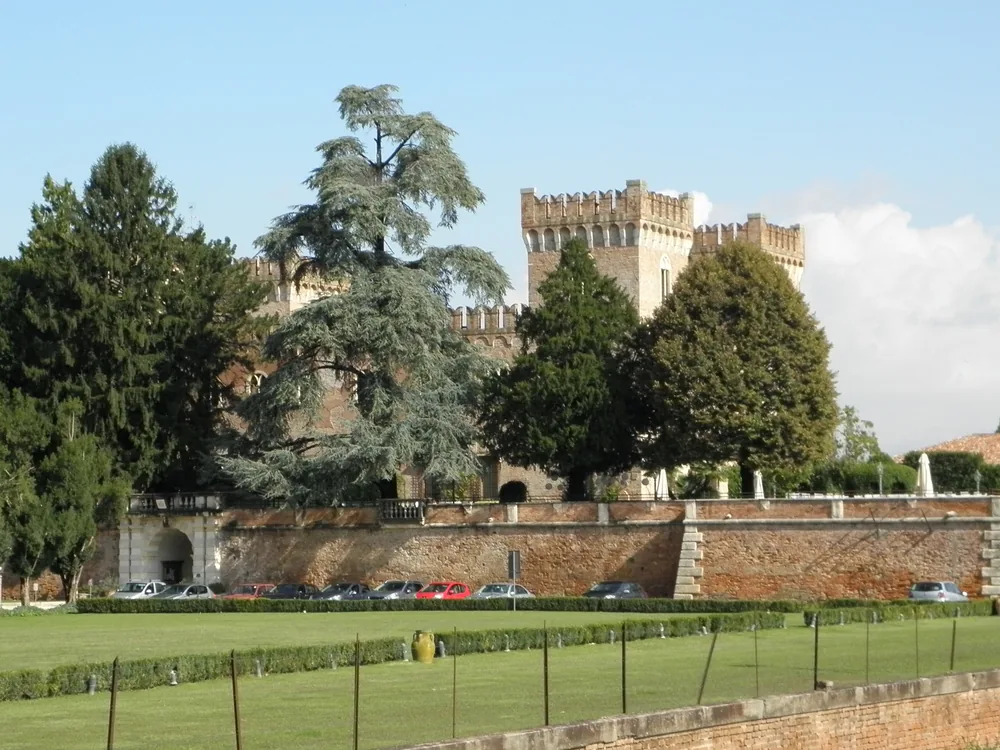
13th century · Medieval Veneto castle on the Euganean Hills — a fortified complex of towers, perimeter walls, grand reception halls, and a patrol walkway built in local stone; successive interventions through the 14th–16th centuries added the main residential wing and tavern; the current structure preserves the essential medieval plan with 19th-century additions to the interior decoration
This page is part of an independent travel guide and is not affiliated with, endorsed by, or operated by Castello di Valbona.
© Castles & Palaces
Quick Facts
- Hours
- Wed–Fri 10:00–17:00. Sat & Sun 10:00–18:00. Closed Mon & Tue
- Entry via GetYourGuide
- €15
- Duration
- 1.5–2 hours (audio-guided circuit including patrol walk, grand halls, and cellar)
- Best time
- April to October
- Nearest city
- Padua
Featured Tour
Valbona: Castello di Valbona Visit with Audio Guide and Wine
Cancellation available · Instant confirmation
Highlights
- ✦One of the few privately-owned medieval castles in the Veneto that regularly opens to the public — the Colli Euganei (Euganean Hills) volcanic region south of Padua has a long feudal history, but most of its castles remain closed to visitors; Valbona is an exception
- ✦Self-guided audio tour with a glass of Colli Euganei DOC wine — the visit format here is unusual: admission includes both the castle circuit and a tasting glass, integrating the estate's wine production with the architectural tour
- ✦Patrol walkway on the perimeter walls — the circuit of the castle's defensive walls, accessible during the visit, provides elevated views over the Euganean Hills countryside and the vineyards that now occupy the former defensive grounds
- ✦Grand reception halls — the castle's interior includes a series of frescoed and decorated hall spaces used for events and restored for visitor access, preserving the scale of a Veneto noble household from the late medieval and early modern period
- ✦Working tavern (osteria) on-site — one of the more distinctive features of the Valbona visit is the functioning medieval-style tavern inside the castle grounds, offering estate wines, local cicchetti, and light meals on open days
Skip the queue with a guided tour
Skip-the-line tickets & expert guides
The Castello di Valbona sits in the Colli Euganei — the Euganean Hills, a chain of extinct volcanic peaks rising abruptly from the Venetian Plain south of Padua — in one of the least-visited but most historically layered corners of the Veneto. The hills were settled in pre-Roman times; the Romans later established thermal bath complexes at Abano Terme and Montegrotto at their base; and through the medieval period, a series of feudal families built fortified residences on the higher ground, many of which are now abandoned, privately sealed, or inaccessible without special arrangement. Castello di Valbona is an exception: a working medieval castle in the Euganean Hills that opens its gates for regular visits, combines a self-guided audio tour of the castle's principal spaces with a glass of estate wine, and maintains a functioning tavern within the grounds.
The castle's origins place it in the early medieval period — a fortified position in the hills that served the double purpose of controlling the surrounding agricultural land and providing defensible high ground in a region where Padua, Este, Verona, and Venice contended for territorial dominance through the 13th and 14th centuries. The current physical structure reflects successive building campaigns from the 13th through the 16th century: the perimeter walls and towers date from the earlier medieval phase; the main residential and reception hall block was consolidated in the 14th and 15th centuries; and various interior decoration campaigns through the early modern period added frescoed ceilings and furnishings that survive in the principal rooms. The result is a building of genuinely stratified character — not a single coherent architectural statement but an accretion of uses and additions that reads, in its irregularities, as an honest medieval structure rather than a restored facsimile.
The visit format at Valbona is worth understanding before you arrive. There is no large tourism infrastructure here — no ticketing office processing hundreds of visitors an hour, no multilingual signage at every turn, no gift shop. The admission price (€15 including a glass of wine) covers a self-guided tour of the accessible rooms and spaces, accompanied by an audio guide that provides historical context for the main features: the entrance tower, the perimeter patrol walk on top of the walls, the grand reception rooms, and the cellar. The audio guide is well-regarded in visitor feedback, which notes its clarity and the detail it provides on the castle's feudal history and the families who held it. A single review among the English-language feedback felt the €15 admission was slightly high relative to what is accessible — an honest observation that calibrates expectations: this is a small, relatively intimate castle, not a vast palace complex, and the interest lies in its working authenticity rather than in the volume of things to see.
The patrol walk on the perimeter walls is one of the more distinctive elements of the visit. The defensive circuit accessible to visitors provides elevated views over the Euganean Hills landscape in multiple directions — the volcanic peaks and the agricultural land between them, the vineyards that now occupy the former defensive buffer zone around the castle, and the distant flatness of the Venetian Plain to the north. The hills themselves have a landscape quality unlike anything else in the Veneto: isolated volcanic peaks rising from flat farmland, forested on their upper slopes and planted with thermal spa hotels and wine estates on the lower ground, with a density of Romanesque parish churches and abandoned medieval tower-houses that reflects a regional history of feudal competition and ecclesiastical presence quite different from the mercantile culture of Venice itself.
The Colli Euganei were declared a Regional Nature Park in 1989, and the combination of volcanic geology, thermal springs, and wine production (the Colli Euganei DOC covers both white and red wines from the slopes) makes the area one of the more rewarding day-trip destinations from Padua or Venice for visitors willing to leave the historic city centres. Castello di Valbona and its tavern represent the medieval layer of that landscape — the fortified residences that preceded the thermal hotels and wine estates by half a millennium and occupy the same elevated positions, looking out over the same hills.
The tavern (osteria) inside the castle grounds is a genuine asset. On open days it serves estate wines, local cicchetti (the small bites of the Veneto appetizer tradition), and light meals — a practical option for extending a castle visit into a lunch stop rather than driving back to Padua's more expensive city-centre restaurants. The wine produced on the estate is the Colli Euganei DOC regional style, and the glass included in admission gives visitors a first taste before they decide whether to buy.
Practically: Castello di Valbona is not a major attraction — it is a well-preserved local castle with an honest visit format and a working food and wine identity. For visitors making the effort to reach the Euganean Hills from Padua (approximately 30 minutes by car; there is limited public transport), it pairs naturally with the thermal spa town of Abano Terme or the Este castle ruins (the Este family, whose castle gave the town its name, were the dominant feudal power in this region before the Venetian Republic absorbed it). The combination of medieval castle, thermal baths, and regional wine makes the Colli Euganei a coherent half-day or full-day excursion from Padua or Venice.
History
Colli Euganei settled in pre-Roman and Roman period; thermal baths at Abano and Montegrotto established. Medieval feudal competition between Padua, Este, Verona, and Venice shapes castle-building across the hills. Castello di Valbona fortified position established, approximate 13th century. Main residential block built 14th–15th centuries. Interior decoration campaigns through 16th century. Colli Euganei Regional Nature Park established 1989. Castle opens for regular public visits with audio-guided format and estate wine tasting.
How to Visit
Getting there: The castle is in Lozzo Atestino, approximately 30km southwest of Padua (about 30 minutes by car via SR10 south toward Monselice, then signs toward the Euganean Hills). No direct public transport serves the castle — a car or taxi from Padua is the practical option.
Tickets: Entry costs €15 for adults (children €8) and includes the full castle circuit, audio guide, and a glass of Colli Euganei DOC estate wine. The GetYourGuide entry ticket is the recommended booking channel — the castle occasionally closes for private events and booking confirms your slot.
Practical tips: Open primarily on weekends and selected weekdays; confirm hours before visiting as the schedule varies seasonally and private events can close it to visitors. The patrol walkway on the perimeter walls gives the best views over the Euganean Hills vineyards — allow time for it before heading to the tavern.
Combine with: The Este Castle ruins (15km southwest), seat of the Este dynasty that once controlled this entire region, make a natural pairing with Valbona in the same half-day. Abano Terme, at the northern edge of the Euganean Hills (20 minutes by car), is Italy's largest thermal spa destination and a logical end to a day in the hills.
Frequently Asked Questions
It is a small castle with a focused circuit — the patrol walls, reception halls, and cellar, plus the audio guide and a glass of estate wine. One visitor review noted the price felt slightly high relative to what is accessible. The fair expectation is: a genuine, privately-owned medieval castle with working wine production and a tavern, not a large palace complex with extensive museum collections. Visitors seeking the intimacy of a living castle rather than the volume of a major tourist site consistently find the visit worthwhile.
Location
Via Valbona, Lozzo Atestino 35034, Padua, Veneto, Italy
Nearby Castles
Tours & Tickets
Powered by GetYourGuide
From
€15/ person