
Colonna Palace
Palazzo Colonna
Italy · Lazio — Rome, historic centre, Piazza Santi Apostoli, Quirinal Hill · Near Rome
Built 1300 · Medieval origins with extensive Baroque and Rococo rebuilding, 17th–18th century — the Palazzo Colonna occupies a position at the base of the Quirinal Hill that the Colonna family has held since at least the early 14th century; the current palace complex represents a wholesale rebuilding and expansion undertaken from the mid-1600s onward, when Cardinal Girolamo I Colonna commissioned the main gallery (Galleria Colonna) and his nephew Lorenzo Onofrio Colonna extended the project into the largest private palace complex in Rome; the principal architectural experience is the Great Gallery (Grande Galleria), a colonnaded hall approximately 76 metres long with painted vaulted ceilings carrying allegorical frescoes celebrating the Battle of Lepanto (1571), in which Marco Antonio II Colonna commanded the papal fleet; the gallery's painted ceiling, the mirrored and gilded side walls, and the two end rooms (the Hall of the Apotheosis of Martin V and the Throne Room) form a sequence of Roman Baroque decorative ambition matched in Rome only by the great papal and royal galleries; the Colonna Gardens, rising on terraces up the Quirinal Hill above the palace, are among the few surviving examples of a Roman aristocratic hillside garden connected to an urban palace
This page is part of an independent travel guide and is not affiliated with, endorsed by, or operated by Colonna Palace.
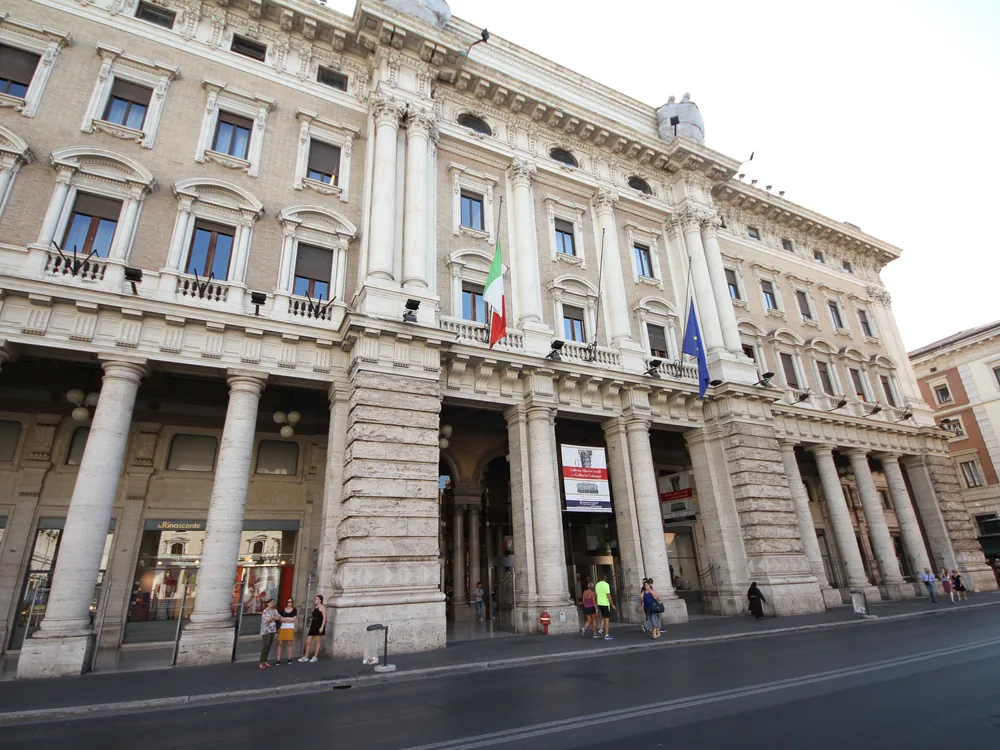
© Castles & Palaces
Quick Facts
- Hours
- Sat 09:00–13:15. Closed Mon–Fri, Sun
- Entry via GYG
- €31
- Duration
- 1.5–2 hours (the Great Gallery with its Lepanto ceiling frescoes, the Hall of the Apotheosis of Martin V, the Throne Room, the Room of the Cannonball, and the Colonna Gardens; optional Princess Isabelle apartments if booked as upgrade)
- Best time
- Year-round
- Nearest city
- Rome
Featured Tour
Rome: Colonna Palace Entry Ticket
Cancellation available · Instant confirmation
Highlights
- ✦The Great Gallery and the Lepanto ceiling frescoes — 76 metres of Baroque Rome at its most ambitious — the Grande Galleria is the principal architectural statement of the Palazzo Colonna: a colonnaded hall approximately 76 metres long whose painted vaulted ceiling carries allegorical frescoes celebrating the Colonna family's participation in the Battle of Lepanto (1571), in which Marco Antonio II Colonna commanded the papal fleet against the Ottoman navy; the ceiling was painted by Giovanni Coli and Filippo Gherardi in the 1670s–80s; the allegory places the Colonna family at the centre of one of the defining military events of 16th-century Europe, with the naval battle depicted in the vaulted compartments overhead while gilded stucco surrounds, mirrored walls, and the yellow-marble columns that give the room its name (and the family its heraldic emblem) constitute the architectural frame; the gallery is the finest single interior in any private Roman palazzo, matched in scale and ambition only by the great papal galleries of the Vatican and the Farnese
- ✦The cannonball in the marble steps — a 19th-century event embedded in the floor — the Palazzo Colonna's most unexpected object is a French cannonball from the 1849 bombardment of Rome, still embedded in the marble steps at the top of the staircase leading to the gallery; in 1849, French troops besieging the short-lived Roman Republic bombarded the city; a cannonball struck the palace staircase; the Colonna family chose to leave it in place rather than repair the damage, creating a permanent physical record of the event embedded in the building's fabric; the cannonball is pointed out on every guided tour and functions as the gallery's most effective single historical object — more immediate than any painting in communicating what it means for a building to have a history
- ✦Seven centuries of unbroken family ownership — the oldest continuous private palace in Rome — the Colonna family has held the position at the base of the Quirinal Hill since at least the early 14th century; the current palace complex represents a much-enlarged rebuilding of that medieval possession, but the continuity of ownership across 700 years places the Palazzo Colonna in a category of institutional continuity that no public museum or most other European palaces can match; the family has produced two popes (Martin V, the first resident of the Palazzo Colonna in its current form after his election in 1417, and Marcantonio II's relative through the Barbo connection), a commander of the papal fleet at Lepanto, and generations of Roman aristocratic lineage preserved in the portraits that line the gallery walls; the portrait cycle is the most complete surviving visual record of a single Roman noble family across the 17th and 18th centuries
- ✦Limited opening and the Princess Isabelle apartments upgrade — the scarcity that shapes the experience — the Galleria Colonna's traditional opening pattern of Saturday mornings only (09:00–13:15) is not a curatorial choice but a structural feature of a palace that continues to function as a private residence; the Colonna family has chosen to open the gallery on limited days rather than converting to full museum operation, maintaining the private character that gives the visit its distinctive quality; the optional Princess Isabelle apartments upgrade extends the visit into rooms furnished by the Colonna family for the 19th-century Princess Isabelle Colonna, who was one of the principal antiquarians and collectors of her generation in Rome; the apartments contain an additional layer of the family's collecting history not visible on the standard tour
Skip the queue with a guided tour
Skip-the-line tickets & expert guides
The Colonna Palace sits at the base of the Quirinal Hill, its back gardens rising on terraces toward the presidential palace above. The family that owns it — the Colonnas — has held this position since the early 14th century, making the Palazzo Colonna the oldest continuously inhabited private palace in Rome: not oldest by construction date, but oldest by unbroken family occupation, an institutional continuity that no public Roman museum can claim.
The current palace is not the 14th-century structure. What the Colonnas held for centuries was rebuilt wholesale beginning in the mid-1600s, when Cardinal Girolamo I Colonna commissioned the Great Gallery and his nephew Lorenzo Onofrio Colonna extended the project into the largest private palace complex in Rome. The rebuilding was the most ambitious private architectural undertaking in 17th-century Rome: a palace that would house the family's art collection in interiors of palatial grandeur, with a garden rising from the courtyard up the Quirinal Hill behind.
The Great Gallery (Grande Galleria) is what the palace was built to contain. Approximately 76 metres long, colonnaded, its yellow marble columns giving the room — and the family — their heraldic colour, the gallery's painted vaulted ceiling carries allegorical frescoes celebrating the Battle of Lepanto (1571). At Lepanto, Marco Antonio II Colonna commanded the papal fleet that, alongside the Spanish and Venetian navies, defeated the Ottoman fleet in the decisive naval engagement of the 16th-century Mediterranean; the Battle of Lepanto prevented Ottoman naval domination of the western Mediterranean, and it made Marco Antonio Colonna a figure of European historical significance. The ceiling frescoes, painted by Giovanni Coli and Filippo Gherardi in the 1670s–80s, place this Colonna victory at the centre of an allegorical programme in which the family's heraldic column (colonna = column) and its naval triumph structure the entire decorative logic of the room.
The walls of the gallery are hung with works by Bronzino, Guercino, Tintoretto, Salvator Rosa, Francesco Salviati, and Guido Reni, alongside the family portrait cycle that documents the Colonna lineage across 17th and 18th centuries in an unbroken visual record. The accumulative hang — paintings on every available wall surface, frames touching frames — is the historic convention, unmodified by modern curatorial distance.
At the top of the staircase leading to the gallery, a French cannonball from the 1849 bombardment of Rome remains embedded in the marble steps. The Colonna family chose to leave it where it fell, preserving the scar rather than repairing it. It is the gallery's most effective single historical object — more immediate in communicating what it means for a building to have a continuous history than any painting.
The gallery's traditional opening pattern of Saturday mornings only (09:00–13:15) is the most significant practical constraint for visitors. This is not a curatorial choice but a structural feature of a palace that continues to function as a private aristocratic residence. The GYG entry ticket (t440527, from €31, with guided tour included as standard) is the most reliable way to secure entry with advance confirmation. The optional Princess Isabelle apartments upgrade extends the visit into rooms furnished for a 19th-century Colonna who was one of Rome's most significant women antiquarians, with additional collecting history not visible on the standard tour.
4.8★ across 878 reviews — the gallery's top-rated badge on GYG reflects both the quality of the collection and the distinctive experience of visiting a working private palace on Saturday mornings in Rome.
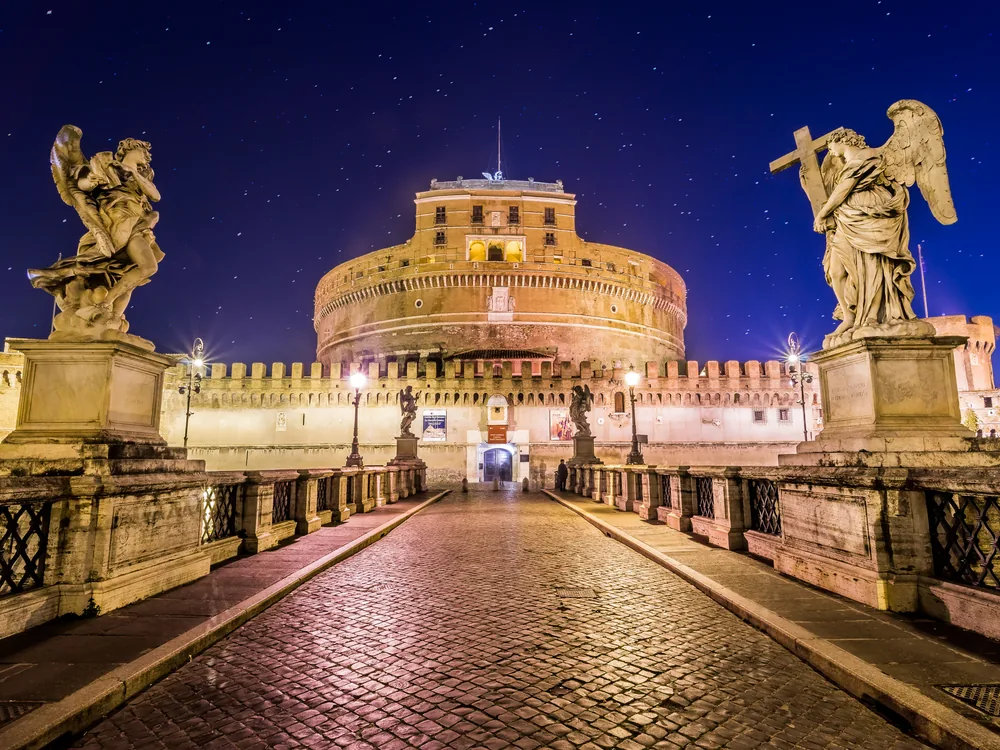
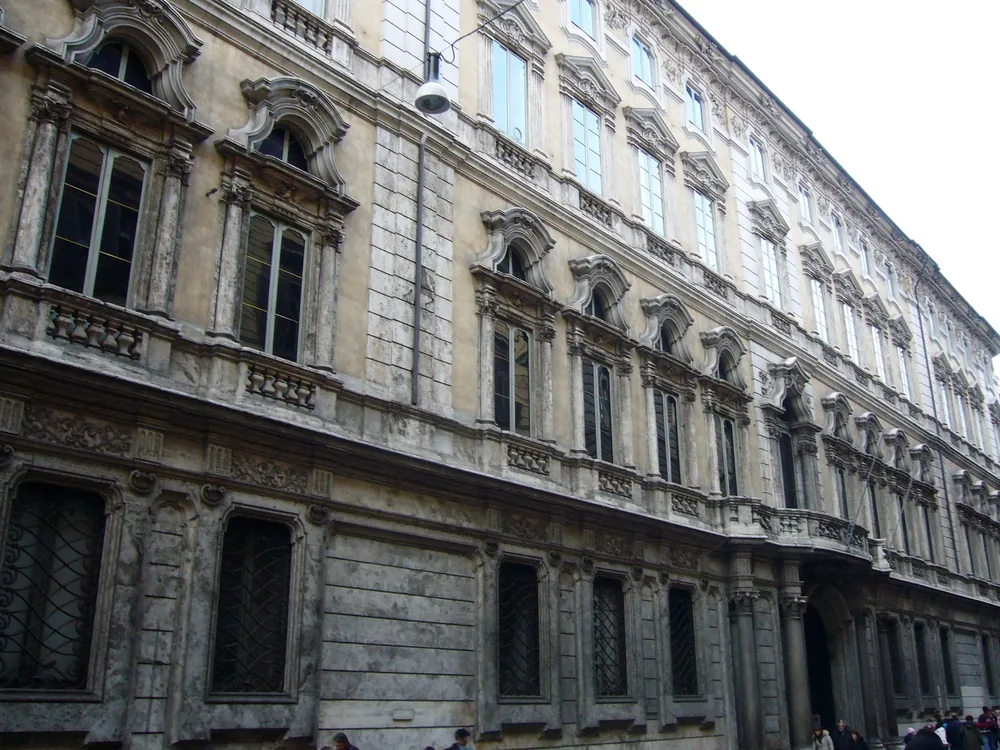
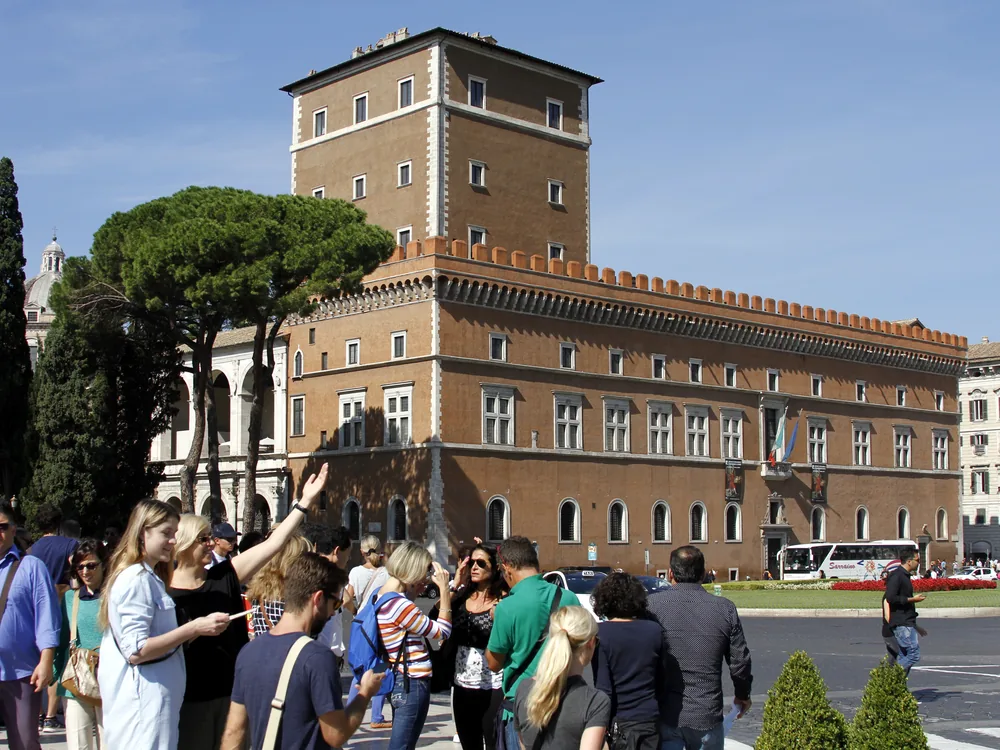
[Palazzo Doria Pamphilj](/castles/italy/palazzo-doria-pamphilj) — Rome's other great private gallery, a short walk west on Via del Corso, with the Velázquez portrait of Innocent X and two early Caravaggios — is the essential companion visit. [Castel Sant'Angelo](/castles/italy/castel-santangelo) and [Palazzo Venezia](/castles/italy/palazzo-venezia) complete the central Rome historic palace circuit.
History
The Colonna family established their principal Roman residence at the base of the Quirinal Hill in the 14th century, on a site where medieval towers and buildings already stood. The family's power reached its apex in 1417, when Oddone Colonna was elected Pope Martin V — ending the Great Schism and placing a Colonna at the head of the Catholic Church for the first time in the family's long political history. The first significant improvements to the palace followed.
The event that defined the Colonna family's self-presentation for centuries came in 1571, when Marco Antonio II Colonna commanded the papal fleet at the Battle of Lepanto — the naval engagement that halted Ottoman expansion in the western Mediterranean. The family's pride in this victory became architecturally encoded in the Great Gallery, which Cardinal Girolamo I Colonna commissioned in the mid-1600s. In the 1670s and 1680s, the painters Giovanni Coli and Filippo Gherardi covered the ceiling with an elaborate fresco cycle depicting the Lepanto battle in grandiose Baroque terms. Lorenzo Onofrio Colonna extended the palace to its current scale in the late 17th century, with gardens terraced up the Quirinal Hill.
A French cannonball struck the palace staircase during the 1849 bombardment of the Roman Republic and was left embedded in the marble as a permanent record of the event. The Galleria Colonna has been open on Saturday mornings since the 18th century — one of the longest-running private gallery access arrangements in Rome — and the Colonna family continues to reside in the private apartments.
How to Visit
Getting there: Piazza Santi Apostoli 66, central Rome. Metro Line A to Barberini (5 minutes on foot); or walk 10 minutes from Trevi Fountain, 15 minutes from Piazza Venezia. Bus routes 40, 64, and 70 stop at nearby Via del Corso. Taxi or walking from central Rome hotels is the most practical option.
Tickets: Walk-up entry €15 adult, €10 child. The GYG tour (t440527, from €31, 4.8★/878 reviews) includes a guided tour of the Great Gallery, the Lepanto ceiling frescoes, the cannonball room, and the principal collections — book in advance, especially as the gallery's Saturday-only schedule makes slots fill quickly. Optional Princess Isabelle apartments upgrade bookable through the same ticket.
Practical tips: The Galleria Colonna is open Saturday mornings only (09:00–13:15, last entry 12:45) — confirm the current schedule at galleriacolonna.it before visiting, as occasional extra days are added. Arrive at 09:00 for the best conditions; midday can feel crowded in the gallery's single main hall. The visit runs 1.5–2 hours for the standard tour; the limited schedule means any Saturday opening is worth treating as a priority.
Combine with: [Castel Sant'Angelo](/castles/italy/castel-santangelo) and [Palazzo Doria Pamphilj](/castles/italy/palazzo-doria-pamphilj) — Rome's other great private gallery, 500 m west on Via del Corso, open daily.
Frequently Asked Questions
The Galleria Colonna is open on limited days — traditionally Saturday mornings from 09:00 to 13:15 — because the Palazzo Colonna continues to function as a private aristocratic residence. The Colonna family has chosen to open the gallery on specific days rather than converting the palace to a full public museum, maintaining the private character that gives the visit its distinctive quality. The limited opening is not a curatorial decision but a structural feature of a working private palace. Confirm current opening days at galleriacolonna.it before planning your visit, as the schedule can include additional days beyond the standard Saturday morning opening.
Location
Palazzo Colonna, Piazza Santi Apostoli 66, 00187 Rome, Italy
Nearby Castles
Tours & Tickets
Powered by GetYourGuide
From
€31/ person