
Racconigi Castle
Castello di Racconigi
Italy · Piedmont · Near Racconigi
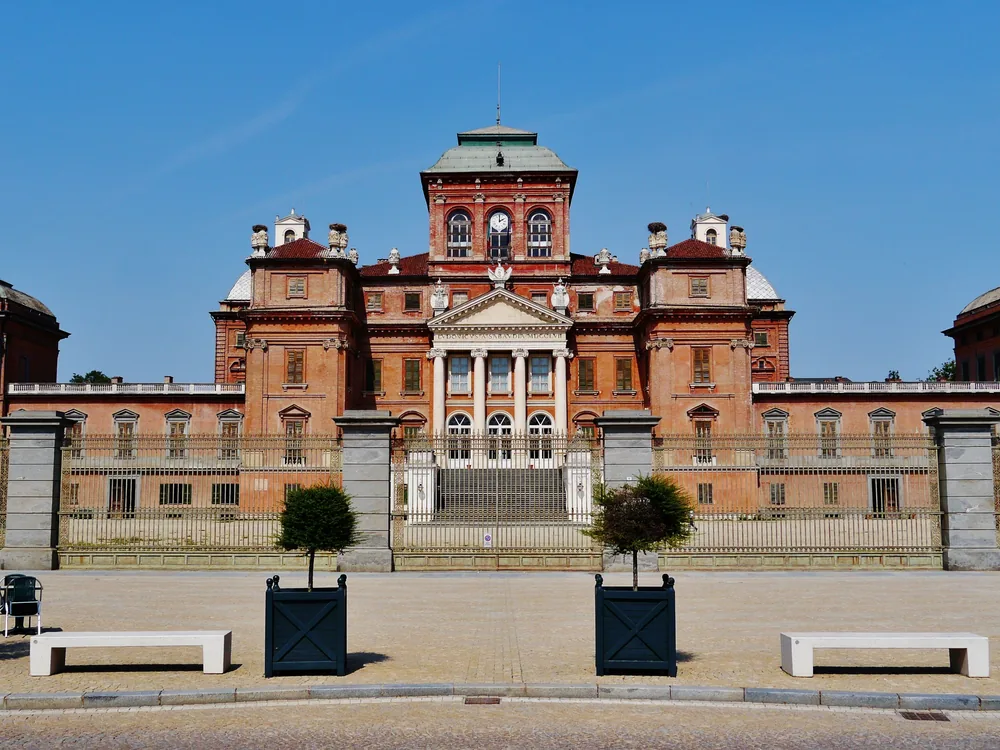
Built 1362 · Savoy royal residence on the Po plain south of Turin; original 14th-century castle rebuilt by Amedeo di Castellamonte in the Baroque period for Prince Emanuele Filiberto of Savoy-Carignan c.1670; extensively renovated in the Neoclassical style by Guarino Guarini and later by Benedetto Alfieri in the mid-18th century; received its current English landscape garden and partial exterior redesign under King Carlo Alberto of Sardinia in the 1830s–1840s to designs by Czech-born landscape architect Giuseppe Roda and Italian architect Ernesto Melano; served as the primary summer residence of the House of Savoy in the 19th and early 20th centuries — King Vittorio Emanuele III and Queen Elena of Montenegro were married here in 1896; surrounded by one of the largest English-style parks in Piedmont (c.170 hectares); inscribed in the UNESCO World Heritage List in 1997 as part of the Residences of the Royal House of Savoy (inscription 823), which includes Venaria Reale, Castello di Rivoli, Palazzo Reale Turin, and 17 other Savoy properties; managed by the Polo Museale del Piemonte
This page is part of an independent travel guide and is not affiliated with, endorsed by, or operated by Racconigi Castle.
© Castles & Palaces
Quick Facts
- Hours
- Wed–Fri 09:00–17:00. Sat & Sun 09:00–18:00. Closed Mon & Tue
- Day trip from
- €65
- Duration
- 2–3 hours (castle + park)
- Best time
- Spring and autumn
- Booking
- Required — book 3+ days ahead
- Nearest city
- Racconigi
Featured Tour
From Turin: Piedmont UNESCO Royal Castles — Racconigi & Govone Day Tour
Cancellation available · Instant confirmation
Highlights
- ✦Racconigi Castle is part of the UNESCO Residences of the Royal House of Savoy (1997, inscription 823) — one of 19 Savoy properties inscribed together, representing the most comprehensive UNESCO recognition of a European royal dynasty's architectural legacy; the inscription includes Venaria Reale, Castello di Rivoli, Palazzo Reale and Palazzo Carignano in Turin, Castello di Agliè, Castello di Govone, and others; Racconigi and [Govone](/castles/italy/govone-castle) are the southernmost inscribed properties, closest to the Langhe wine country
- ✦The castle served as the primary summer residence of the Savoy royal family in the 19th and early 20th centuries — King Carlo Alberto used it as his main out-of-Turin residence and invested significantly in the English landscape garden that now surrounds it; King Vittorio Emanuele III, the last King of Italy, and Queen Elena of Montenegro were married at Racconigi in 1896 in a ceremony that briefly turned this quiet Cuneo town into the diplomatic centre of Europe
- ✦The English landscape garden (giardino all'inglese) surrounding the castle is among the largest privately-commissioned landscape gardens in Piedmont, at approximately 170 hectares; designed in the 1830s–1840s under Czech-born landscape architect Giuseppe Roda with elements by Ernesto Melano, the garden replaced an earlier formal French garden with a deliberately 'natural' composition of views, lakes, specimen trees, and designed vistas toward the Alpine horizon; in spring the park is carpeted with flowering bulbs
- ✦The castle's interior state rooms reflect the full arc of Savoy taste from the Baroque period through the Neoclassical to the early 20th century — Baroque painted ceilings from the Castellamonte renovation survive alongside Neoclassical furnishings from the Alfieri period and personal rooms from the reign of Carlo Alberto; the Royal Apartments are the primary focus of the guided interior visit
- ✦The castle's relationship to the Langhe and Monferrato wine landscapes — Barolo, Barbaresco, and Asti are 30–50 km to the southeast — makes Racconigi one of the most accessible Savoy UNESCO properties for visitors combining Piedmontese cultural heritage with the regional gastronomic itinerary; the town of Racconigi itself produces one of Piedmont's lesser-known white wines and the castle town's restaurants are an extension of the Cuneo food tradition
Tickets & tours
Book through GetYourGuide
Racconigi Castle stands on the flat Po plain south of Turin, 45 kilometres from the city in the province of Cuneo, surrounded by 170 hectares of English landscape garden that unfold toward an Alpine horizon on clear days. It is one of 19 Savoy royal properties inscribed together on the UNESCO World Heritage List in 1997 as the Residences of the Royal House of Savoy — an inscription that recognised the Savoy dynasty's building programme as an exceptional example of European royal architecture from the 14th century to the early 20th.
The castle's origins are 14th century: a fortified residence built by the Savoy-Carignan branch of the dynasty in 1362, on flat agricultural land that offered no natural defensive advantages but excellent access to the hunting grounds of the Po plain. The strategic rationale was the castle's proximity to the Carignan dynastic seat and its distance from the political pressures of the Turin court. The original medieval structure was substantially rebuilt in the Baroque period c.1670 to designs attributed to Amedeo di Castellamonte, the architect who also worked on the Venaria Reale hunting palace north of Turin — the grandest of all Savoy building projects.
Further renovations followed in the Neoclassical period, with contributions from Guarino Guarini and later Benedetto Alfieri in the mid-18th century. The castle's current character, however, is primarily defined by the work commissioned by King Carlo Alberto of Sardinia in the 1830s and 1840s. Carlo Alberto was one of the most culturally ambitious of the Savoy rulers — a constitutional reformer who granted Piedmont's Statuto Albertino in 1848, and also a builder who invested heavily in transforming Racconigi into a modern royal residence for personal use. The formal French garden that had surrounded the castle was replaced with an English landscape garden designed by Czech-born architect and landscape designer Giuseppe Roda, working with Ernesto Melano on the castle's architectural additions. The result is one of the most complete examples of the 19th-century royal park aesthetic in northern Italy — designed views, informal planting, specimen trees, and lakes composing a landscape that creates the illusion of natural scenery while being entirely deliberate.
Carlo Alberto's son Vittorio Emanuele II became the first King of unified Italy in 1861, bringing the Savoy dynasty from Piedmontese monarchy to Italian kingship. Racconigi remained in royal use through this transition and into the reign of Vittorio Emanuele III, who was born at the castle in 1869 and returned to it for the most personally significant event of his reign: his marriage to Princess Elena of Montenegro in October 1896. The ceremony, held at the castle chapel with full diplomatic representation from across Europe, briefly transformed the quiet Cuneo market town into a node of European royal visibility. Vittorio Emanuele III was the last King of Italy — he abdicated in 1946 as the republic referendum approached and died in exile in 1947.
The castle passed to the Italian state after the monarchy's abolition and is now managed by the Polo Museale del Piemonte, which oversees the guided interior visits and the park. The state rooms include Baroque painted ceilings from the Castellamonte renovation alongside Neoclassical furnishings and personal royal apartments from the Carlo Alberto and Vittorio Emanuele III periods — a suite that tells the arc of Savoy taste from the 17th century through the early 20th.
The park, open daily at lower ticket price than the full castle-and-park combination, is the easiest entry point for a first visit. In spring, the woodland planting is extensive; the views across the flat plain toward the Alpine barrier on the horizon — on clear winter days the Monte Viso massif is visible from the park — give the landscape garden its specific Piedmontese character.
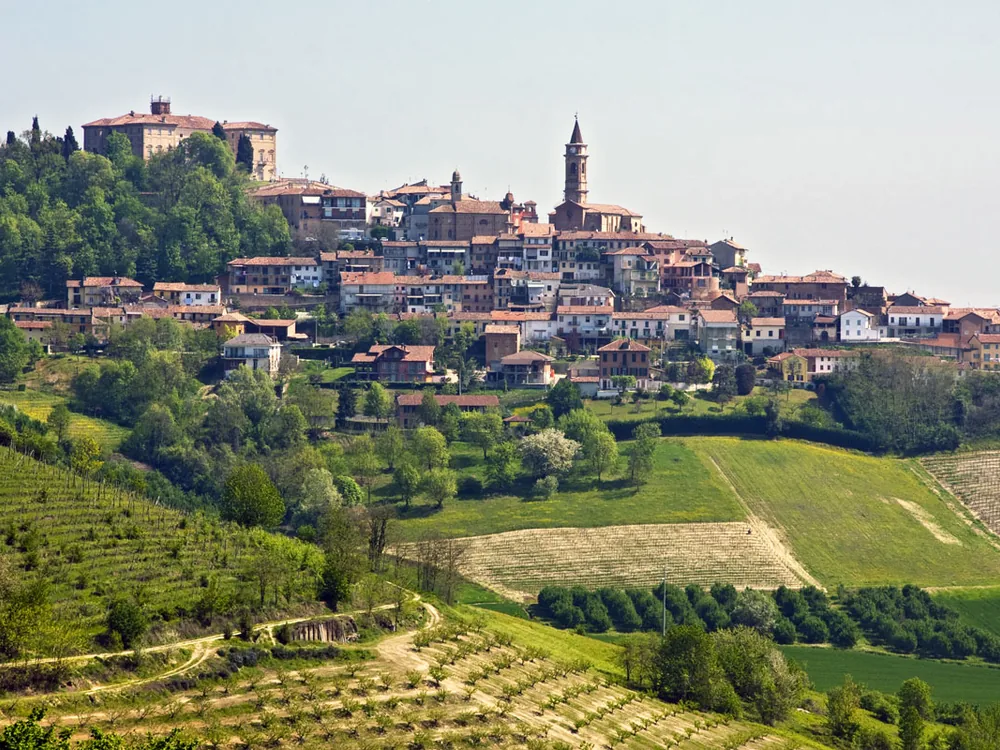
The GetYourGuide Piedmont UNESCO Royal Castles day tour from Turin combines Racconigi with [Govone Castle](/castles/italy/govone-castle) — the two southernmost inscribed properties in the Savoy UNESCO cluster, both in the Cuneo province and accessible together in a comfortable day from Turin. For visitors also visiting the Langhe wine villages (Barolo, La Morra, Castiglione Falletto), Racconigi and Govone are the natural heritage complements to the regional gastronomy.
History
The Savoy-Carignan branch of the House of Savoy built the first castle at Racconigi in 1362, establishing a family seat on the flat Po plain south of Turin that would be reshaped several times over the following five centuries. A major Baroque rebuilding around 1670, attributed to Amedeo di Castellamonte, gave the castle its characteristic massing. Guarino Guarini and Benedetto Alfieri contributed neoclassical renovations in the mid-18th century.
The most significant transformation came in the 1830s and 1840s under King Carlo Alberto, who commissioned an extensive remodelling and created the 170-hectare English landscape garden surrounding the castle — designed by Giuseppe Roda and Ernesto Melano, with an Alpine horizon visible on clear days. Racconigi became a favoured Savoy royal residence: Vittorio Emanuele III, the last King of Italy, was born here in 1869, and married Elena of Montenegro in the castle chapel in 1896. The abolition of the Italian monarchy in 1946 transferred the castle to the Italian state.
Racconigi was inscribed as part of the UNESCO World Heritage Site covering the Residences of the Royal House of Savoy in 1997. It is now managed by Polo Museale del Piemonte and open Wednesday to Sunday.
How to Visit
Getting there: Racconigi is 45 km south of Turin — about 50 minutes by car via the A6/SS20. By train from Turin Porta Nuova: some Trenitalia services stop directly at Racconigi station (~1 hour); otherwise take a train to Savigliano (9 km) and connect by taxi or local bus. The castle is signposted from the town centre.
Tickets: Walk-up entry €7 adult, €2 child; park-only ticket available at lower price. Interior guided visits are timed — book in advance at coopculture.it. The GetYourGuide day tour from Turin covers both Racconigi and Govone Castle in an 8-hour day trip with a guide; book at least 3 days ahead.
Practical tips: Spring is the best season — the 170-hectare English landscape garden peaks in late April and May when bulbs and woodland planting are at their finest. The castle is closed Monday and Tuesday; open Wednesday–Sunday from 09:00 (extended hours on weekends in summer). Book guided interior visits in advance as capacity is limited.
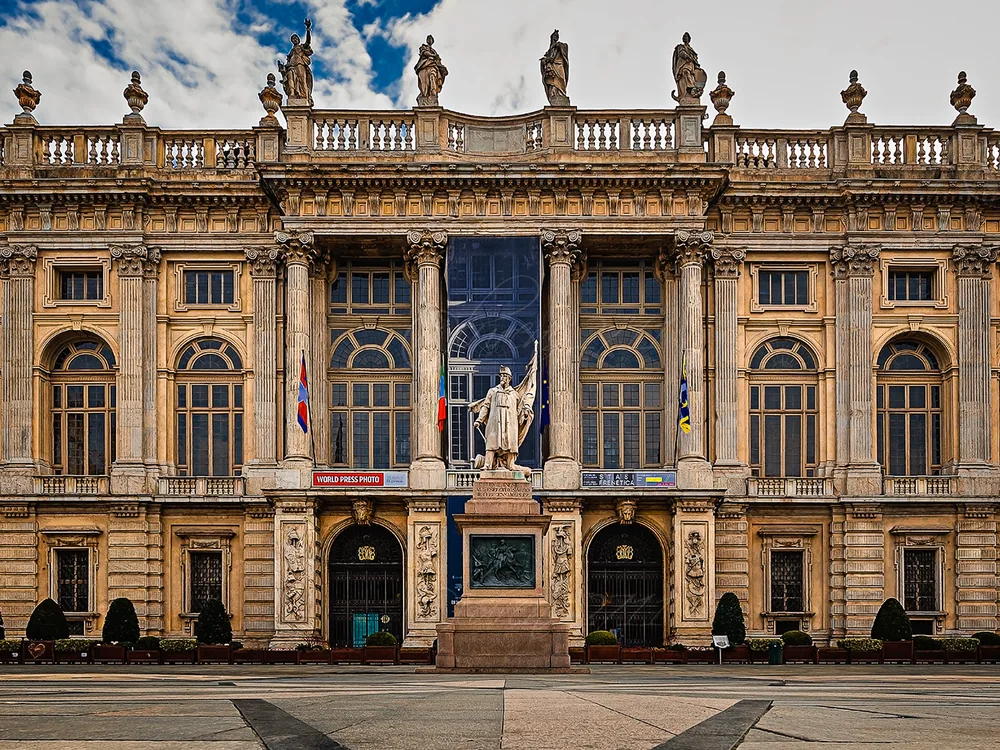
Combine with: Govone Castle is 45 km east — the other UNESCO Savoy castle in Cuneo province; the GetYourGuide day tour covers both together. Palazzo Madama in Turin city centre completes the Savoy UNESCO circuit in the capital.
Frequently Asked Questions
Yes. Racconigi Castle is part of the Residences of the Royal House of Savoy, inscribed on the UNESCO World Heritage List in 1997 (inscription 823) as a group of 19 properties representing the Savoy dynasty's building programme in Piedmont. The inscription includes the Venaria Reale, Castello di Rivoli, Palazzo Reale and Palazzo Carignano in Turin, Castello di Agliè, Castello di Govone, and other Savoy properties. Racconigi and Govone are the two inscribed castles in the Cuneo province, furthest from Turin.
Location
Via Morosini 3, 12035 Racconigi CN, Italy
Nearby Castles
Tours & Tickets
Powered by GetYourGuide
From
€65/ person