
Fort St. Elmo
Forti Sant'Elmu
Malta · Valletta, Malta · Near Valletta
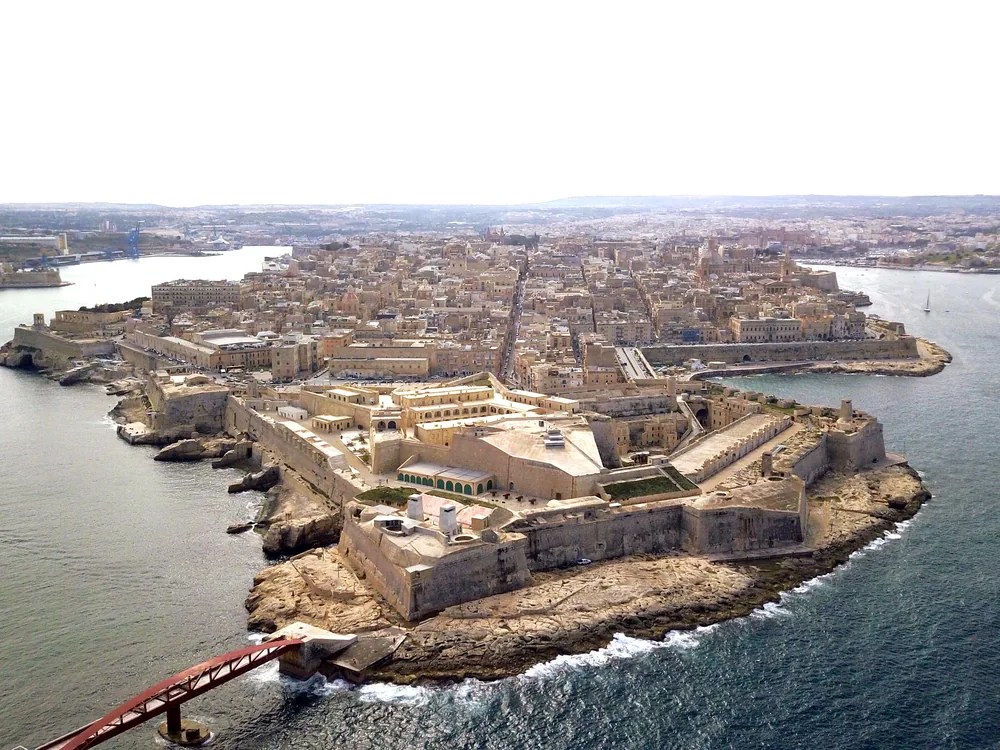
Built 1553 · Star-shaped fortress at the tip of the Sciberras peninsula in Valletta; built by the Knights of St. John in 1553 on an earlier watchtower position; the star-plan with angled bastions was designed to give covering fire across the Grand Harbour and Marsamxett Harbour entrances simultaneously; substantially strengthened by the British in the 19th century; now houses the National War Museum spanning the 1565 Great Siege through the WWII Siege of Malta
This page is part of an independent travel guide and is not affiliated with, endorsed by, or operated by Fort St. Elmo.
© Castles & Palaces
Quick Facts
- Hours
- Daily 09:00–17:00
- Entry
- €10
- Duration
- 1.5–2 hours for the fortress and National War Museum
- Best time
- October to April
- Nearest city
- Valletta
Featured Tour
Malta: Heritage Multisite Pass with 25+ Attractions
Covers this site and 25+ other attractions. Worth it if you plan to visit several.
Book This Tour →Cancellation available · Instant confirmation
Highlights
- ✦The 1565 Great Siege — Fort St. Elmo's place in history was established on June 23, 1565, when the fortress finally fell to the Ottoman army after 31 days of siege: the entire garrison of approximately 1,500 defenders was killed, but the resistance consumed the Ottoman forces' best fighting season and allowed the relief force time to arrive; the fort's fall and the subsequent Ottoman defeat in the broader siege became one of the most celebrated military events in 16th-century European history
- ✦The National War Museum — housed within Fort St. Elmo's fortified interior, the museum spans the 1565 Great Siege through the 1942 WWII Siege of Malta, with artefacts, period weapons, the original George Cross medal awarded to Malta by King George VI in 1942, and the Faith — a Maltese dghajsa (water taxi) that made numerous crossings under fire to supply the besieged island during WWII
- ✦The Grand Harbour position — Fort St. Elmo sits at the tip of the Sciberras peninsula, commanding the entrance to both the Grand Harbour (to the south) and Marsamxett Harbour (to the north) simultaneously; the views from the ramparts over the two harbours and the Three Cities across the water are among the finest in Valletta
- ✦The Heritage Malta Multisite Pass (30-day validity) covers Fort St. Elmo and the National War Museum alongside other sites across Malta and Gozo — the best-value option for visitors planning a comprehensive Malta heritage trip
- ✦WWII strategic significance — Fort St. Elmo's position at the harbour entrance made it militarily significant again during WWII, when Malta's Grand Harbour was one of the most heavily bombed targets in the entire Mediterranean theatre; the fortress was hit repeatedly but remained operational throughout the 1940–1943 siege period
Tickets & tours
Book through GetYourGuide
Fort St. Elmo sits at the tip of the Sciberras peninsula in Valletta, commanding the narrow entrance to the Grand Harbour on its south side and the entrance to Marsamxett Harbour on its north — a position that made it the essential defensive key to Malta's entire harbour system. The Knights of St. John built the original star-shaped fortress in 1553 on the site of an existing watchtower, using the angled-bastion principles being developed by military engineers across Europe in response to gunpowder artillery. Twelve years later, the fortress's design would be tested to destruction.
The Great Siege of Malta began in May 1565, when an Ottoman fleet of approximately 40,000 troops landed on the island determined to eliminate the Knights' base once and for all. The Ottoman commanders made a tactical decision that would ultimately cost them the campaign: they chose to reduce Fort St. Elmo before attacking the main Knights' fortifications at Birgu and Senglea. The fort, garrisoned by approximately 1,500 defenders, held for 31 days of continuous assault. When it finally fell on June 23, the entire garrison was dead. The Ottoman commander Dragut was mortally wounded during the siege; Mustafa Pasha is reported to have looked at the cost — perhaps 6,000 Ottoman casualties to take a small outpost — and asked how much it would take to seize the larger fortifications across the harbour. The delay gave the relief force from Sicily time to arrive in early September; the Ottomans, exhausted and undersupplied, withdrew.
The victory over the Great Siege was celebrated across Catholic Europe as an almost miraculous deliverance and provided the political capital for the Knights to build Valletta. The new city was planned around Fort St. Elmo, which was incorporated into Valletta's fortification system and strengthened by the British during their colonial period with additional batteries and modifications.
Today, the fortress houses the National War Museum — one of Malta's most important heritage collections, spanning the 1565 Great Siege through the WWII Siege of Malta. The museum's highlight is the original George Cross medal awarded to Malta by King George VI in 1942, recognising the island's resistance during the bombing campaign that made Malta the most heavily bombed place on Earth in that year. Also on display is the Faith — a Maltese dghajsa (traditional water taxi) that made multiple crossings under aerial attack to supply the besieged island.
The Heritage Malta Multisite Pass covers Fort St. Elmo and the National War Museum alongside other sites across Malta and Gozo — a genuinely comprehensive heritage pass for visitors planning more than a day or two on the island.
History
A watchtower on the Sciberras peninsula tip is documented before the Knights of St. John's arrival in Malta. The Knights built the star-shaped fort in 1553 as a forward defensive position. The 1565 Great Siege saw the fort's entire garrison killed in 31 days of fighting before the Ottoman forces moved on the main Knights' positions at Birgu and Senglea; the broader Ottoman campaign failed when a relief force arrived in September. The Knights subsequently incorporated Fort St. Elmo into Valletta's fortification system. The British colonial administration strengthened the fort in the 19th century with additional batteries and modifications for modern artillery. During WWII, the fort came under sustained aerial bombardment as part of the wider assault on Malta's harbour installations; it remained operational. The National War Museum was established at Fort St. Elmo in the 20th century. Valletta is inscribed as a UNESCO World Heritage Site.
How to Visit
Getting there: Fort St. Elmo is at the far eastern tip of Valletta, approximately 15 minutes' walk from the city gate along Republic Street. Valletta is accessible by ferry from Sliema and by bus from across Malta.
Tickets: Walk-up entry to Fort St. Elmo and the National War Museum is approximately €10 per adult. The Heritage Malta Multisite Pass (30-day validity) covers Fort St. Elmo alongside other sites across Malta and Gozo; for visitors planning 4+ Heritage Malta sites, the pass offers significantly better per-site value. Note: the Ħal Saflieni Hypogeum requires separate advance booking even with the pass.
Practical tips: The George Cross medal and the Faith water taxi in the National War Museum are the collection highlights — allocate time to read the WWII context panels before viewing them. The ramparts give the best views over both the Grand Harbour and Marsamxett; early morning is ideal for light and fewer visitors. The Fort St. Elmo War Museum (a separate re-enactment programme run on certain weekends, not the same as the National War Museum) occasionally stages living history events on the parade ground — check locally.
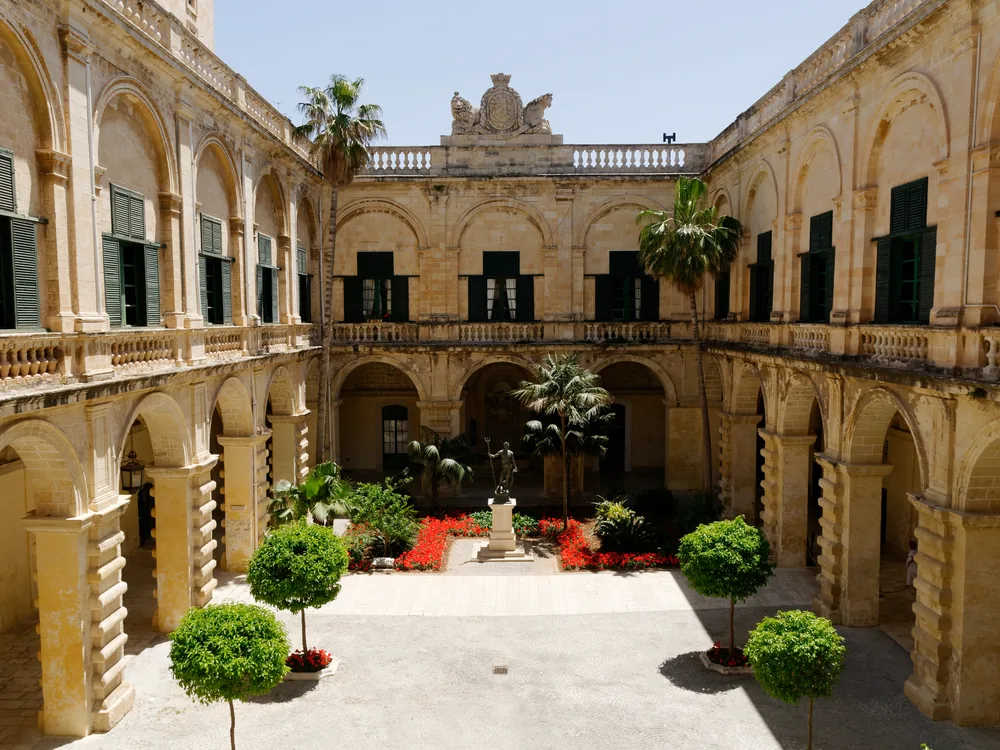
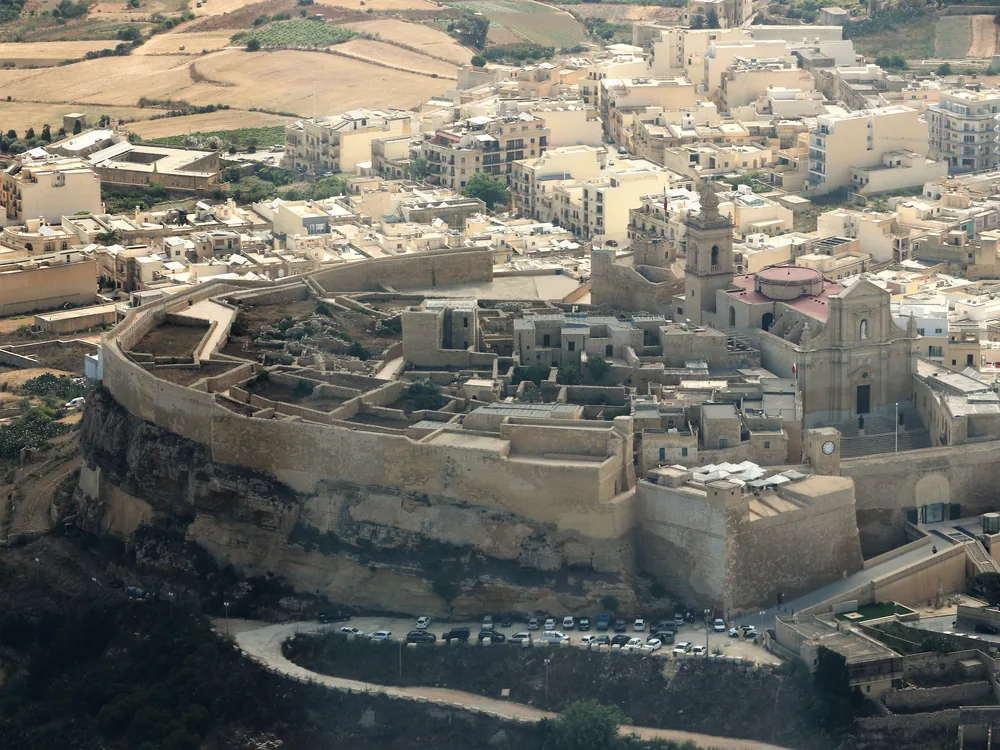
Combine with: Grand Master's Palace (~10 minutes' walk west along Republic Street in Valletta — the Knights' later seat of power, with the Palace Armoury and State Rooms) and Gozo Citadel (~45 minutes by ferry to Gozo, then a short drive to Victoria — both are covered by the same Heritage Malta Multisite Pass).
Explore more castles in Castles in Malta.
Frequently Asked Questions
Fort St. Elmo held for 31 days — from the beginning of the Ottoman assault on May 24, 1565, to the fort's fall on June 23, 1565, when the entire garrison of approximately 1,500 defenders was killed. The Ottoman forces had expected to take the fort in a few days; the extended resistance was possible partly because the Knights reinforced the garrison during the siege by sending soldiers across the harbour at night, at great risk. The cost to the Ottomans was approximately 6,000 casualties — an enormous attrition for what was supposed to be a preparatory objective. The Ottoman commander Dragut was mortally wounded during the siege. The 31-day delay gave the Sicilian relief force the time it needed to prepare; when the relief force arrived in September, the Ottoman army, already exhausted by the wider siege, withdrew from Malta.
Location
Fort St. Elmo, Triq il-Mediterran, Valletta VLT 1610, Malta
Nearby Castles
Tours & Tickets
Powered by GetYourGuide
Heritage Pass
From €124(25+ sites)