
Gozo Citadel
Il-Ċittadella
Malta · Victoria (Rabat), Gozo, Malta · Near Victoria
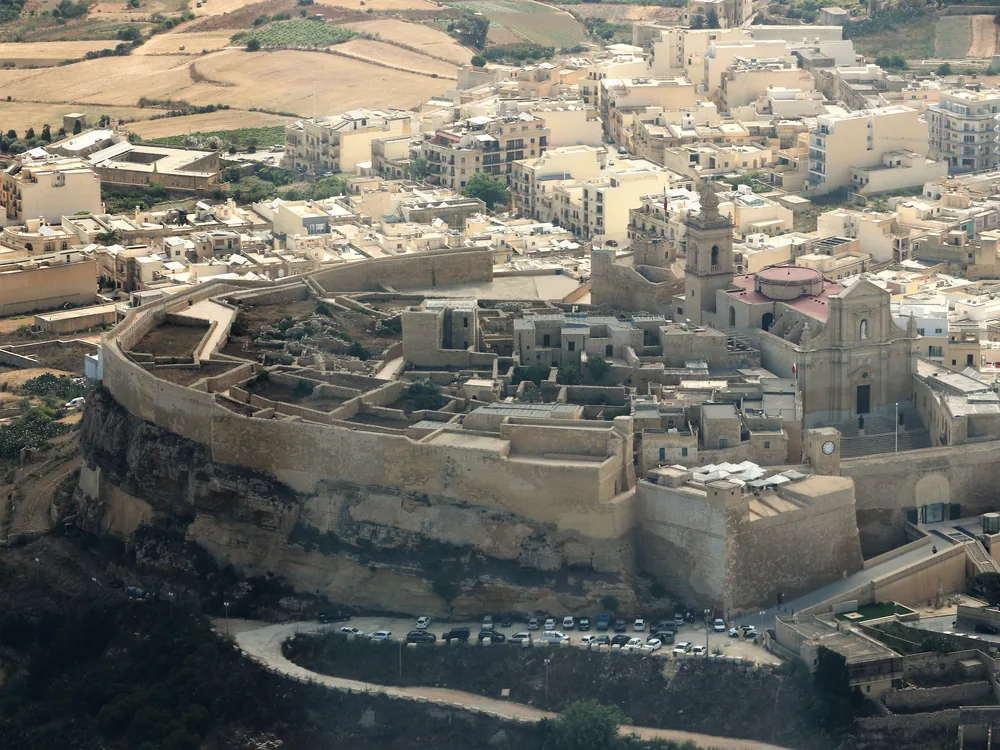
Fortified hilltop old city on a limestone plateau above Victoria (Rabat), Gozo's historic capital; the medieval citadel walls were rebuilt by the Knights of St. John in the 17th century after the catastrophic Ottoman raid of 1551; the circuit of bastioned walls encloses a remarkably intact old-city fabric — the Gozo Cathedral, several small museums, narrow streets, and the Gran Castello Historic House — with panoramic views over all of Gozo from the ramparts
This page is part of an independent travel guide and is not affiliated with, endorsed by, or operated by Gozo Citadel.
© Castles & Palaces
Quick Facts
- Hours
- Daily 09:00–17:00
- Entry
- Free
- Duration
- 1.5–2 hours for the Citadel walls, cathedral, and historic streets; add 1 hour for the Gran Castello museum
- Best time
- October to April
- Nearest city
- Victoria
Featured Tour
Malta: Heritage Multisite Pass with 25+ Attractions
Covers this site and 25+ other attractions. Worth it if you plan to visit several.
Book This Tour →Cancellation available · Instant confirmation
Highlights
- ✦The 1551 Ottoman raid — in July 1551, a large Ottoman force under Dragut Reis landed on Gozo and spent three days systematically enslaving the island's population; approximately 5,000 to 6,000 Gozitans — a substantial proportion of the entire island's inhabitants — were taken to North Africa, leaving Gozo nearly depopulated; the Citadel as it stands today is largely the Knights of St. John's 17th-century response to this catastrophe, rebuilt specifically to provide the entire Gozitan population with a refuge large enough to shelter within its walls
- ✦Panoramic views over all of Gozo — the Citadel's ramparts give the widest possible view over the entire island: the cultivated terraces, the inland sea at Dwejra, the Azure Window's former position, and on clear days the coast of Malta and Sicily; no other point on the island gives a more comprehensive overview of Gozo's unusual landscape
- ✦Gran Castello Historic House — one of the Heritage Malta museums within the Citadel walls, the Gran Castello Historic House presents a furnished reconstruction of a Gozitan noble household from the 17th through 19th centuries, using the actual historic building that served as a governor's residence within the old city; included in the Heritage Malta Multisite Pass
- ✦The Heritage Malta Multisite Pass (30-day validity) separately itemizes both the Ċittadella Visitors' Centre and Gran Castello Historic House as included sites; the pass also covers Ġgantija Archaeological Park — the UNESCO-listed Neolithic megalithic temples 3km east of the Citadel, among the oldest freestanding structures in the world at approximately 3,600–3,000 BCE
- ✦Gozo's separate identity — Gozo has maintained a distinct cultural identity from mainland Malta throughout its history; the Cittadella is the physical expression of that identity, the historic core around which Gozo's capital developed and the symbol of a community that has survived repeated attacks, depopulation, and recovery over three millennia
Tickets & tours
Book through GetYourGuide
Gozo's Cittadella rises above Victoria (known historically as Rabat) from a naturally defensible limestone plateau, its bastioned walls visible from most of the island's elevated points. The fortified hilltop has been inhabited since the Bronze Age — Neolithic artefacts are documented from the site — and the position's defensive logic is immediately legible: a high plateau with steep sides on all approaches, commanding views across the entire island, connected to the surrounding countryside by a single manageable approach road.
The event that shaped the Citadel as it stands today was not a siege but a raid. In July 1551, Dragut Reis — the Ottoman admiral who would play a central role in the 1565 Great Siege of Malta — landed a large force on Gozo and spent three days systematically gathering the island's population. Approximately 5,000 to 6,000 Gozitans — estimates suggest this represented most of the island's inhabitants — were taken to North Africa as slaves. The Citadel at the time was not large enough to shelter the entire population; those inside were defended, those outside were taken. The catastrophe left Gozo nearly depopulated.
The Knights of St. John's response was to rebuild the Citadel at a scale sufficient to shelter the entire Gozitan population as a matter of formal policy. The 17th-century fortification programme — funded largely by the Knights — produced the current circuit of bastioned walls, designed with the explicit specification that the Citadel's interior should be large enough to house all of Gozo's inhabitants in an emergency. The walls, gates, and internal fabric that visitors see today are primarily this 17th-century reconstruction, built over and incorporating the earlier medieval defences.
Within the walls, the Cittadella preserves a remarkably intact old-city fabric: the Gozo Cathedral (built from 1697, with a celebrated trompe-l'oeil painted ceiling that simulates a dome the building never received), several Heritage Malta museums, the narrow streets of the historic core, and the panoramic ramparts that give the broadest possible view over Gozo's terraced landscape. The Gran Castello Historic House — one of the Heritage Malta museums included in the Multisite Pass — presents a furnished reconstruction of a Gozitan noble household using the actual historic building that served as a governor's residence within the old city.
The Heritage Malta Multisite Pass covers both the Ċittadella Visitors' Centre and Gran Castello Historic House as separate included items, alongside Ġgantija Archaeological Park 3km east — the UNESCO-listed Neolithic megalithic temples, among the oldest freestanding stone structures in the world, built approximately 3,600–3,000 BCE, predating the Egyptian pyramids by over a thousand years. For visitors spending multiple days in Gozo, these three sites make a complete heritage circuit of the island's most significant heritage.
The Citadel walls and streets are freely accessible at any hour without charge; the museums inside follow standard Heritage Malta opening hours.
History
The Cittadella plateau has been fortified since antiquity, with Bronze Age and Neolithic occupation documented archaeologically. A medieval fortification existed before the Knights of St. John's arrival in Malta in 1530. The 1551 Ottoman raid under Dragut Reis, which took the majority of Gozo's population into slavery, prompted the Knights to undertake a major reconstruction of the Citadel between the late 16th and 17th centuries, designed explicitly to shelter the entire island's population within its walls. The Gozo Cathedral was built from 1697 within the reconstructed fortification. The Knights' rule ended in 1798; British colonial administration followed until Maltese independence in 1964. The Cittadella has been partially restored in the 21st century, with conservation work on the bastioned walls and improvements to visitor facilities. Gozo's heritage sites, including the Cittadella, are under consideration for UNESCO inscription.
How to Visit
Getting there: The Cittadella is in Victoria (Rabat), Gozo's capital, approximately 5km from the Mġarr ferry port. From Malta, take the Gozo Channel ferry from Ċirkewwa (30 minutes, runs frequently). From Mġarr on Gozo, buses run to Victoria. The Citadel is on a hill above the city centre — a 10-minute walk uphill from Victoria's main square.
Tickets: The Cittadella walls, streets, and cathedral are freely accessible without charge. The Heritage Malta museums within the walls (Ċittadella Visitors' Centre, Gran Castello Historic House) charge separate entry. The Heritage Malta Multisite Pass (30-day validity) covers both museums within the Citadel alongside other sites across Malta and Gozo. For visitors planning both Malta and Gozo heritage sites, the pass offers significantly better value than individual tickets.
Practical tips: The rampart walk takes approximately 30–40 minutes at a leisurely pace and gives Gozo's best 360° panorama — do this first for the overview, then descend into the historic streets. The Gozo Cathedral's trompe-l'oeil ceiling (a painted barrel vault designed to look like a dome from below) is one of the best examples of its kind in the Mediterranean. Pair the Citadel visit with Ġgantija Archaeological Park (3km east, also on the Heritage Malta pass) for the most complete Gozo heritage day.
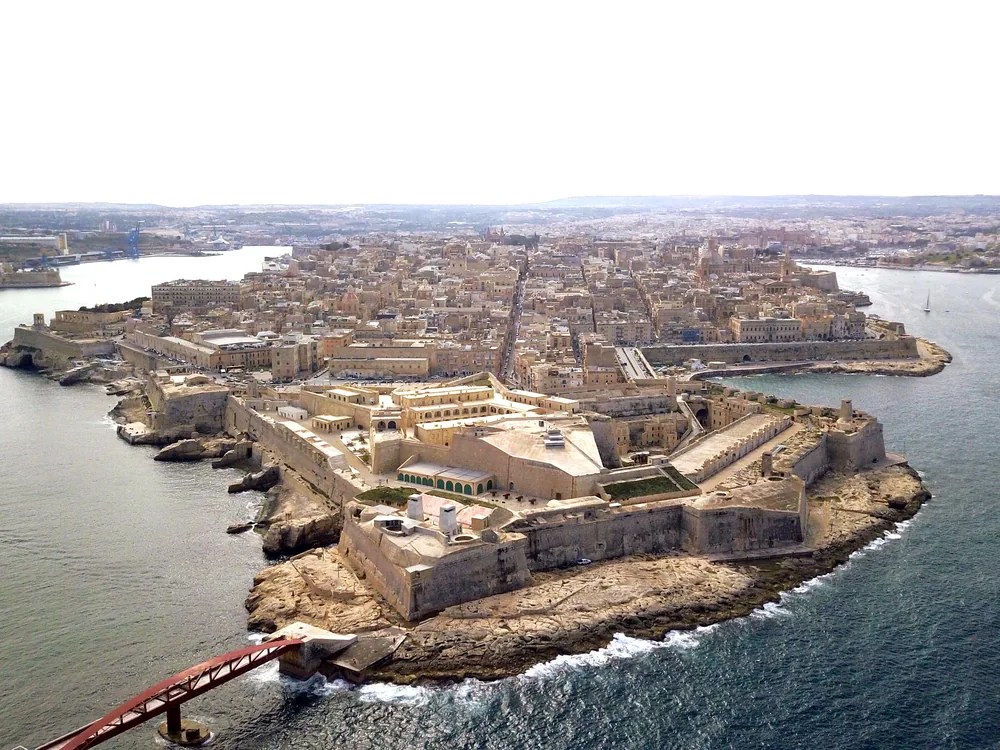
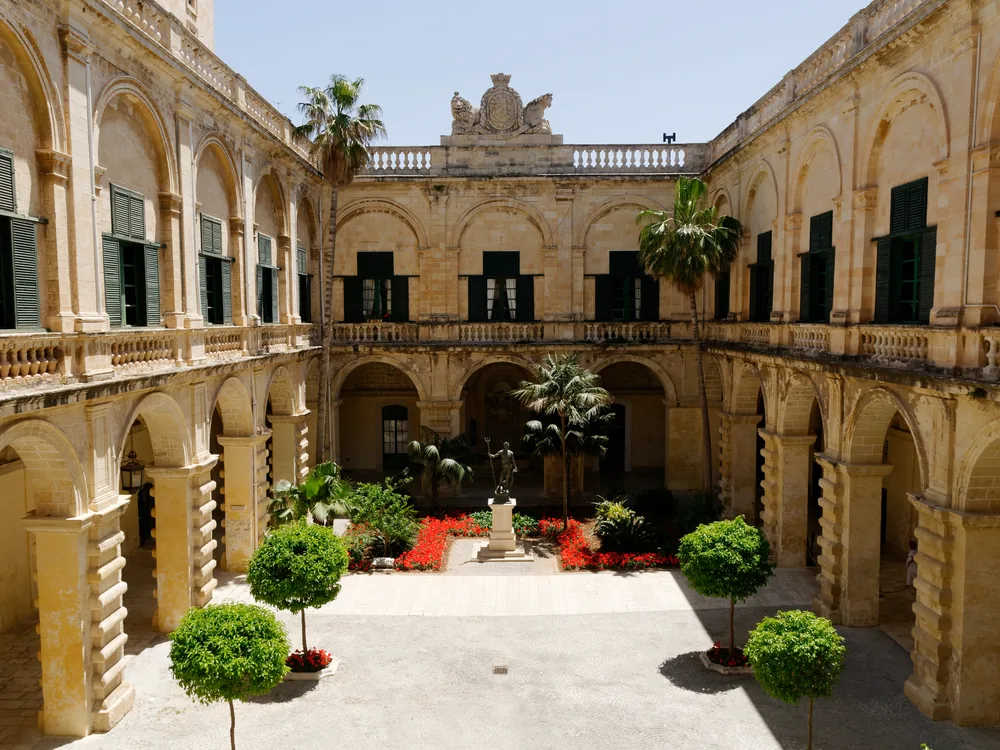
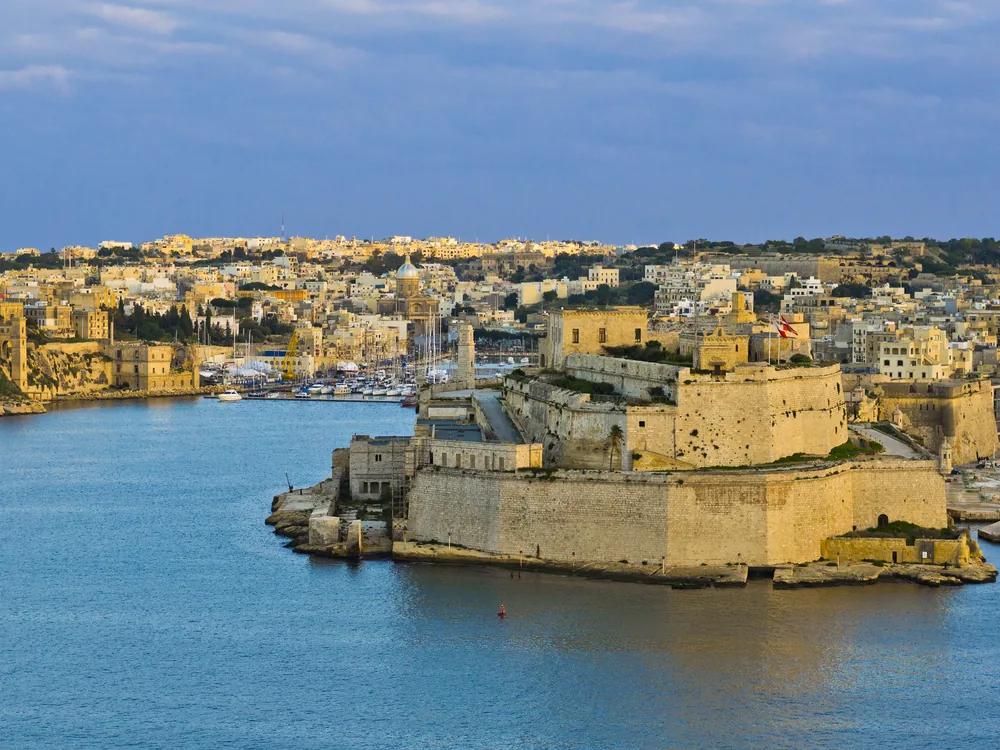
Combine with: Fort St. Elmo (in Valletta on the main island — both covered by the same Heritage Malta Multisite Pass; the 30-day validity allows flexible scheduling across multiple days on both islands) and Fort St. Angelo (~20 minutes by ferry from Gozo to Malta, then across the Grand Harbour to Birgu — the Knights' original fortified headquarters before Valletta was built).
Explore more castles in Castles in Malta.
Frequently Asked Questions
In July 1551, Dragut Reis — one of the most effective Ottoman naval commanders of the 16th century — landed a large force on Gozo as part of a wider Mediterranean campaign. Over three days, Ottoman forces systematically moved through the island gathering its population. Estimates of those taken into slavery range from 5,000 to 6,000 — a figure that represented the great majority of Gozo's entire population at the time. Those who managed to reach the Citadel were protected by its walls; those caught in the countryside or in coastal villages were taken. The raid effectively depopulated the island; recovery took decades. The event prompted the Knights of St. John to rebuild the Citadel at sufficient scale to shelter Gozo's entire population in future emergencies — the 17th-century walls visible today are the direct physical consequence of the 1551 disaster.
Location
Il-Ċittadella, Triq il-Ċittadella, Victoria VCT 1010, Gozo, Malta
Nearby Castles
Tours & Tickets
Powered by GetYourGuide
Heritage Pass
From €124(25+ sites)