
Borgharen Castle
Kasteel Borgharen
Netherlands · Limburg · Near Maastricht
Medieval origins (12th–13th century); destroyed in 1318 and rebuilt from about 1350; two square towers added in the late 15th century · Medieval castle with a 13th-century main wing remodelled into the 18th century, two late-15th-century square towers, a forecourt, moat and castle farm; castle, forecourt, moat and farm are national monuments
This page is part of an independent travel guide and is not affiliated with, endorsed by, or operated by Borgharen Castle.
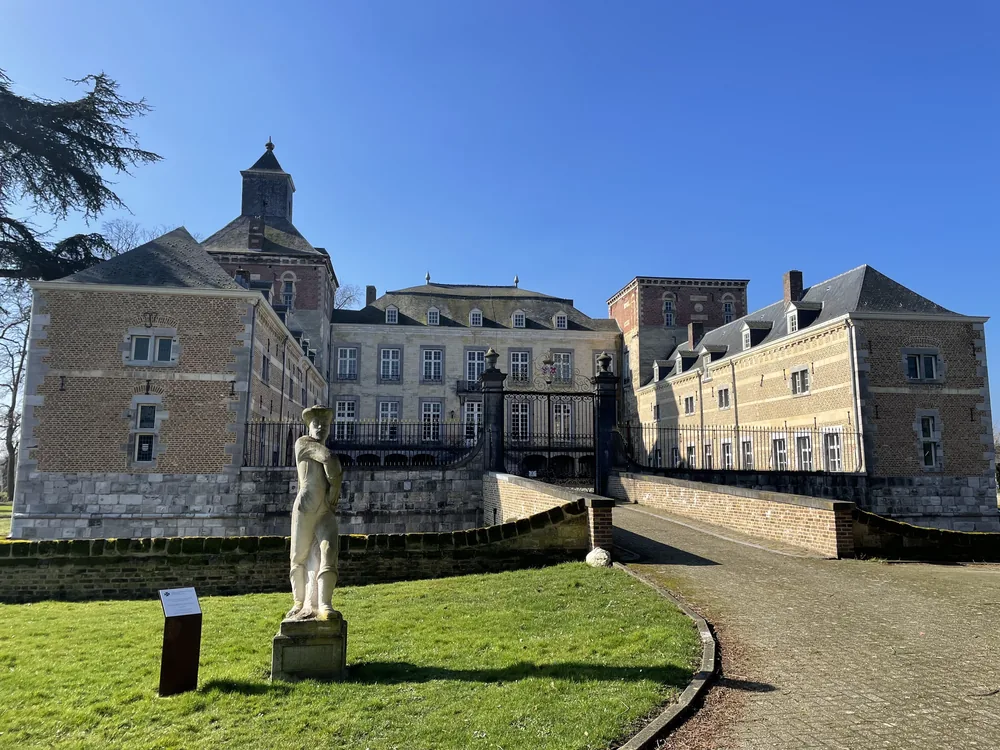
© Castles & Palaces
Quick Facts
- Entry via GetYourGuide
- €10
- Duration
- Self-guided, valid 1 day
- Best time
- Year-round
- Nearest city
- Maastricht
Featured Tour
Maastricht: Kasteel Borgharen Entry Ticket
Cancellation available · Instant confirmation
Highlights
- ✦Medieval origins dating to the 12th–13th century, on the Meuse-side edge of what is now Maastricht
- ✦Destroyed by fire in 1318 during an attack by the army of the prince-bishop of Liège, and rebuilt from about 1350
- ✦The main wing dates from the 13th century, with remodelling continuing into the 18th century
- ✦Two square towers were added in the late 15th century
- ✦The castle, forecourt, moat and castle farm are all protected as national monuments
Skip the queue with a guided tour
Skip-the-line tickets & expert guides
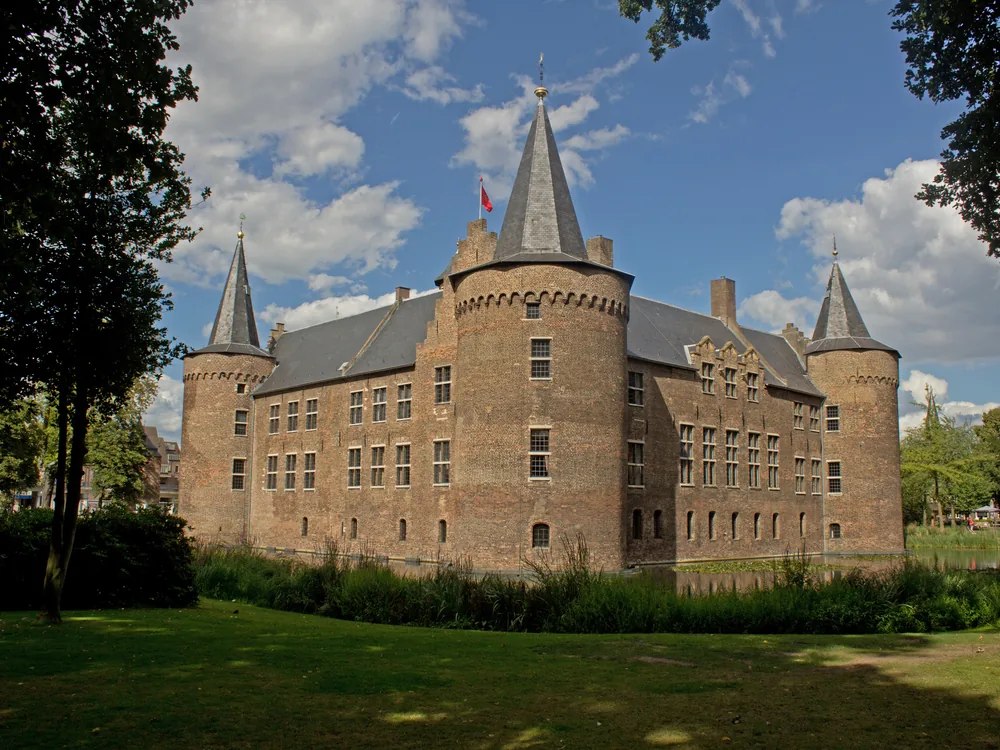
Borgharen Castle sits in the village of Borgharen, on the northern edge of Maastricht in Dutch Limburg, its moat and forecourt still largely intact around a main wing with medieval origins. Documentary and architectural evidence places the castle's earliest fabric in the 12th or 13th century, part of the dense network of fortified seats that controlled the Meuse valley through the medieval period — a landscape contested repeatedly by the competing powers of the prince-bishopric of Liège, the Duchy of Brabant, and the city of Maastricht itself.
That contest reached Borgharen directly in 1318, when the army of the prince-bishop of Liège destroyed the castle by fire. The rebuilding that followed, dated to around 1350, produced the main wing that still forms the core of the building today, remodelled and extended in stages through to the 18th century. Two square towers, added in the late 15th century, give the castle its present silhouette — a working medieval and early-modern residence rather than a single-period monument, its layers of construction visible in the variations of stone and brick across the main façade.
The castle's setting is as protected as the building itself: Borgharen's moat, forecourt and the adjoining castle farm are all designated national monuments alongside the main house, recognising the whole ensemble rather than a single structure. A lightning strike in 1985 destroyed the spire of one of the corner towers, a reminder that the castle's medieval survival has required ongoing, active maintenance rather than simple good fortune.
According to the castle's own visitor information, Borgharen changed hands for a nominal sum in the 2010s and has since been maintained in part through volunteer involvement — details that visitors interested in the castle's more recent history can ask about on site. The standard visit is self-guided and covers the castle, courtyard, farmhouse building and grounds; it does not include transport or food. Tickets are limited, so booking ahead is worth doing rather than assuming on-the-day availability, and interior access may vary depending on the state of ongoing restoration work.
History
Borgharen Castle has medieval origins dating to the 12th or 13th century. The army of the prince-bishop of Liège destroyed the castle by fire in 1318; it was rebuilt from about 1350, producing the main wing that survives at the core of the building today. Remodelling continued into the 18th century, and two square towers were added in the late 15th century. The castle, its forecourt, moat and castle farm are all protected as national monuments. A lightning strike destroyed the spire of one of the corner towers in 1985.
Frequently Asked Questions
The army of the prince-bishop of Liège destroyed the castle by fire in 1318, part of the wider medieval contest for control of the Meuse valley around Maastricht. The castle was rebuilt from about 1350, and that rebuilding produced the main wing that still forms the core of the building.
Location
Kasteelstraat 6, 6223 BJ Maastricht, Netherlands
Nearby Castles
Tours & Tickets
Powered by GetYourGuide
From
€10/ person