
Marialva Castle
Castelo de Marialva
Portugal · Beira Alta — Guarda District · Near Marialva
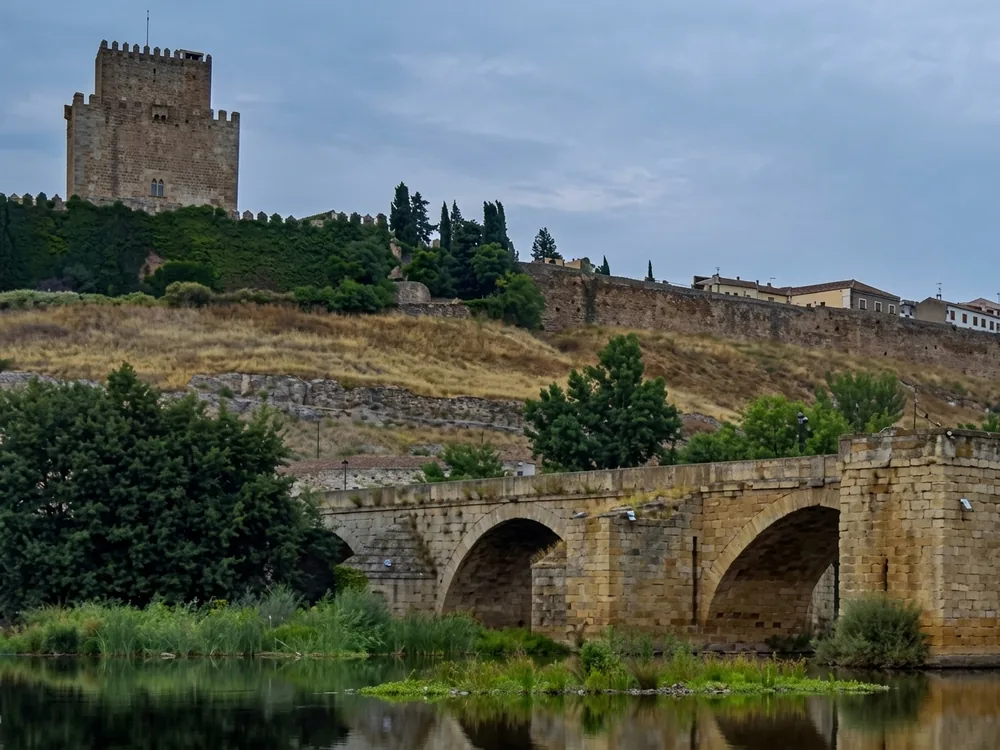
Reconquest-era (11th century) with late-13th-century walls under King Dinis · Ruined hilltop citadel above a walled village, occupied since the Iron Age with a Roman settlement (Civitas Aravorum) at its foot; resettled after the Reconquista, with walls rebuilt by King Dinis in the late 13th century on the frontier with Castile. The hotel is a group of restored granite village houses below the citadel, not the castle
This page is part of an independent travel guide and is not affiliated with, endorsed by, or operated by Marialva Castle.
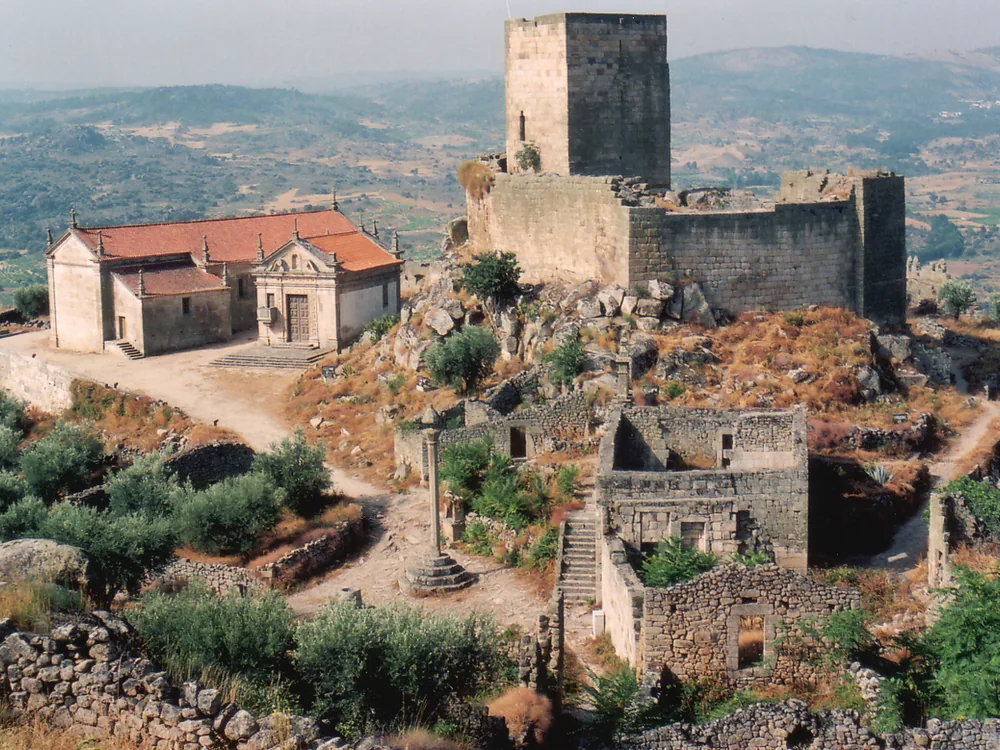
© Castles & Palaces
Quick Facts
- Rooms from
- €275 / night
- Duration
- Overnight stay
- Best time
- Year-round
- Nearest city
- Marialva
Stay Here
Casas do Coro
Rooms are in historic village houses beside the castle
Booked via Booking.com · Free cancellation on most rates
Highlights
- ✦The hill has been occupied since the Iron Age, with a Roman settlement, Civitas Aravorum, at its foot
- ✦Afonso Henriques, Portugal's first king, restored and resettled the ruined castle after the Reconquista and gave the village a charter
- ✦King Dinis rebuilt the walls in the late 13th century on the frontier with Castile; the 1297 Treaty of Alcañices confirmed the area within Portugal
- ✦The walled town was largely abandoned by the 17th century; the castle was classified a National Monument in 1910
- ✦Today the citadel holds the keep, the pillory and the Church of Santiago, above the restored village
Stay in the castle itself
Book a room via Booking.com
Marialva Castle crowns a hill in the Beira Alta, in Portugal's Guarda District between the Douro and Côa valleys — a site with a long record of continuous occupation. Archaeological evidence places settlement here as far back as the Iron Age, and a Roman settlement, Civitas Aravorum, stood at the foot of the hill during the centuries of Roman control over the Iberian Peninsula.
After the long period of Moorish rule, the site passed to Christian control — taken, according to some sources, by Ferdinand I of León around 1063. Afonso Henriques, Portugal's first king, later restored and resettled the ruined castle and granted the village a charter, beginning Marialva's documented history as a chartered Portuguese settlement. King Dinis, whose reign across Portugal produced a wave of frontier fortification against Castile, rebuilt Marialva's walls in the late 13th century; the Treaty of Alcañices in 1297 formally confirmed the surrounding territory within Portugal, settling a border dispute that had made sites like Marialva strategically vital.
A 1510 charter under King Manuel I marked a turning point in the settlement's function, shifting it from a frontier fortress toward an administrative centre as the military frontier with Castile stabilised further east. The walled town was largely abandoned by the 17th century, its defensive role no longer needed, and the castle was formally classified a National Monument in 1910. Today the citadel holds the keep, the pillory, and the Church of Santiago — a ruin rising above the restored granite village below.
That village, not the castle itself, is where overnight guests now stay: several restored houses built in local granite, shale, chestnut and pine wood, centred on the main house, Casa do Côro, which operates much like a small boutique hotel. It's a stay inside a genuinely ancient settlement — Iron Age origins, Roman foundations, a reconquered and rechartered medieval town — with the ruined citadel a direct, walkable link to all of it.
History
The hill at Marialva has been occupied since the Iron Age, with a Roman settlement, Civitas Aravorum, at its foot. After Moorish rule the site was taken by Ferdinand I of León in the 11th century — around 1063, according to some sources. Afonso Henriques restored and resettled the ruined castle and gave the village a charter; King Dinis rebuilt the walls in the late 13th century on the frontier with Castile, and the 1297 Treaty of Alcañices confirmed the area within Portugal. A 1510 charter under Manuel I marked the village's shift from fortress to administrative centre; the walled town was largely abandoned by the 17th century, and the castle was classified a National Monument in 1910.
How to Stay
Getting there: In the historic village of Marialva, in the Guarda District of central-northern Portugal, between the Douro and Côa valleys; the castle citadel stands on the hill above the village.
Rooms & rates: Rooms from approx. €275/night in restored granite village houses, including the main house, Casa do Côro, built with local granite, shale, chestnut and pine wood.
On-site: Outdoor swimming pool, a restaurant serving dinners from fresh market produce, and activities such as cooking workshops, village visits and wine tastings.
Good to know: This is a stay in village houses, not in the castle, which is a ruin on the hill above. The property is spread over several buildings, so check which house your room is in when you book.
Combine with: The ruined castle citadel with its keep, pillory and Church of Santiago, a walk through the historic village, and the Douro and Côa valleys.
Frequently Asked Questions
No — the castle is a ruin on the hill above the village, not set up for overnight stays. Guests stay in restored granite village houses below the citadel, including the main house, Casa do Côro, which functions like a small boutique hotel.
Location
Nearby Castles
Rooms from
€275/ night