
Dunollie Castle
Caisteal Dhùn Ollaigh
Scotland · Argyll and Bute · Near Oban
Ruined castle from about the early 1400s (west range possibly a century later); the 1745 House begun about 1745, completed 1836 · A ruined medieval tower castle beside an unfortified Georgian laird's house, the 1745 House, built in stages after the estate's forfeiture following the 1715 Jacobite rising and restored in 2011 with interiors returned to those of an 18th-century laird's house
This page is part of an independent travel guide and is not affiliated with, endorsed by, or operated by Dunollie Castle.
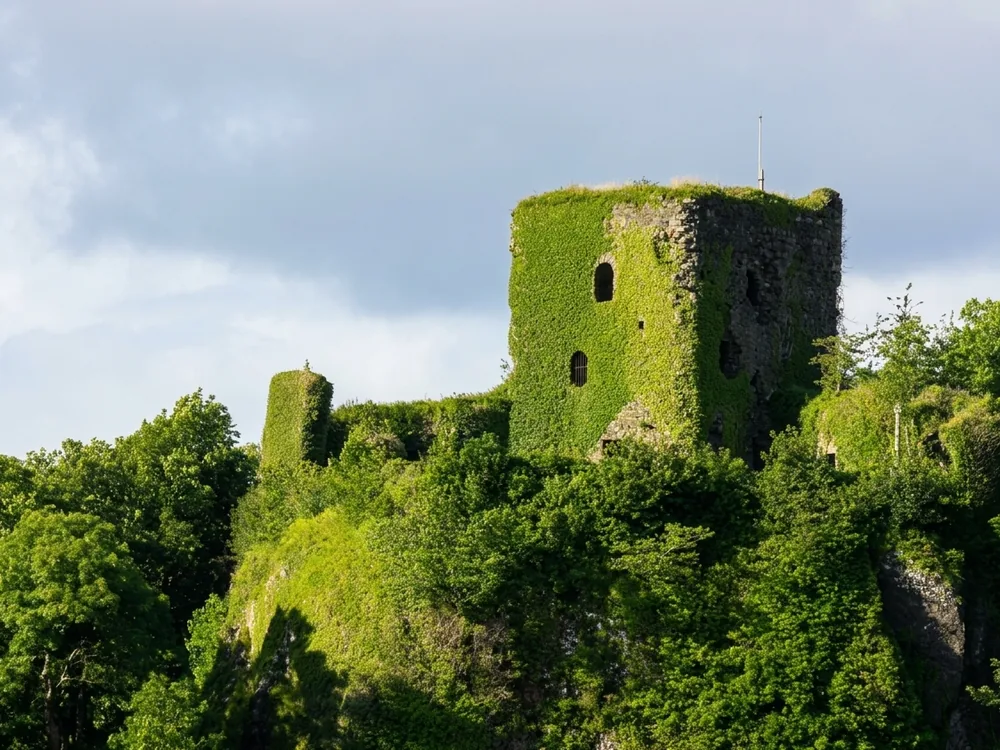
© Castles & Palaces
Quick Facts
- Entry via GetYourGuide
- €15
- Duration
- Self-paced
- Best time
- Year-round
- Nearest city
- Oban
Featured Tour
Oban: Dunollie Castle, Museum and Grounds Entry Ticket
Cancellation available · Instant confirmation
Highlights
- ✦The hereditary seat of the Clan MacDougall chiefs, still held by the family today
- ✦The ruined castle dates from about the early 1400s, with the west range possibly a century later
- ✦The 1745 House was begun around 1745 by Alexander MacDougall, 23rd chief, as an unfortified laird's house after the estate was forfeited following his father's role in the 1715 Jacobite rising
- ✦Restored in 2011 with interiors returned to those of an 18th-century laird's house, the 1745 House holds the Hope MacDougall Collection, about 5,000 objects relating to the clan's history
- ✦The entry ticket is valid for 12 months from the first visit, so you can return as many times as you like within the year
Skip the queue with a guided tour
Skip-the-line tickets & expert guides
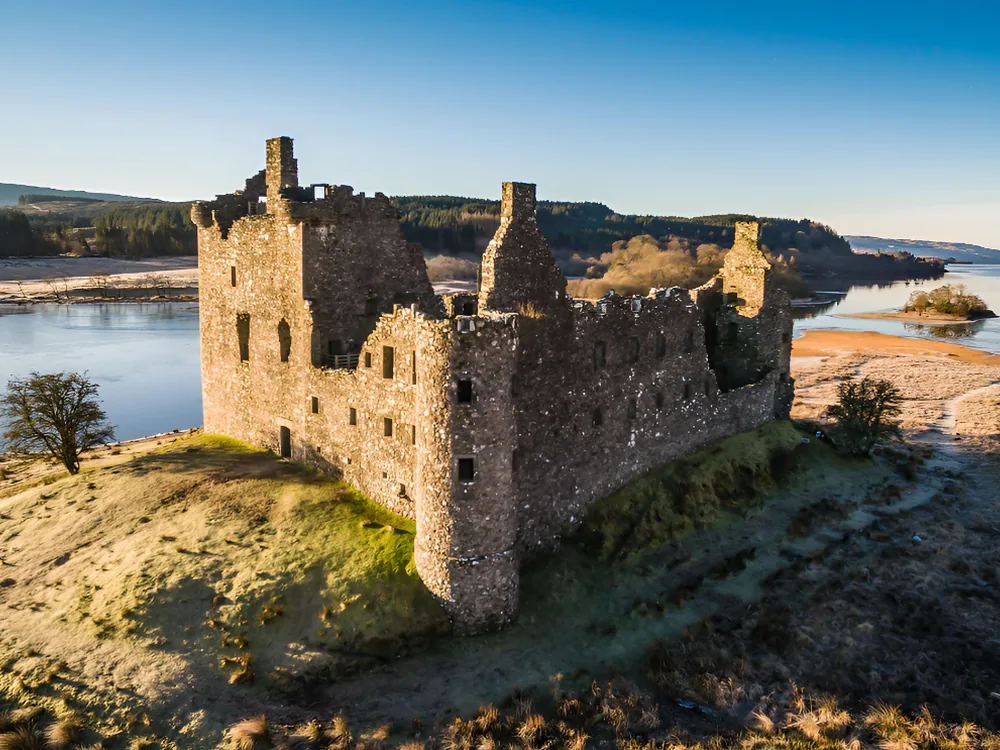
Dunollie Castle stands on a rocky hill about a mile north of Oban, on Scotland's west coast, the ruined stronghold of the Clan MacDougall chiefs — a family that has held this site, in one form or another, for centuries, and still does. The castle itself dates from about the early 1400s, with the west range possibly added as much as a century later, and its roofless walls and surviving tower give a clear sense of a defensible medieval seat commanding the approach to Oban Bay, even stripped of its original timber floors and roofs.
The MacDougall family's fortunes took a sharp turn in the early 18th century. The clan backed the Jacobite rising of 1715, and the resulting forfeiture of the estate forced a rebuilding of both the family's position and its architecture. Around 1745, Alexander MacDougall, the 23rd chief, began construction of an entirely different kind of building close to the old castle ruin: the 1745 House, an unfortified laird's residence that announced, in its very design, a shift away from defensible stone towers toward the settled domestic architecture of Georgian Scotland. A north wing followed around 1780, and the main house wasn't fully completed until 1836 — a build spanning the better part of a century.
That house has had its own modern chapter. Restored in 2011 with interiors returned to those of an 18th-century laird's house, the 1745 House now also holds the Hope MacDougall Collection, roughly 5,000 objects spanning the clan's long history, on display for visitors alongside the family's continued occupation of the site. The grounds extend the visit beyond the two buildings: a woodland trail, a willow hall, and a faerie garden — a trail of mythical-creature features aimed at younger visitors — make Dunollie a site that rewards slower exploration rather than a quick look at a ruin from the road.
The entry ticket covers the museum in the 1745 House, the castle ruin, and the grounds, and includes guided tours as part of the standard visit. One detail sets it apart from most single-site castle tickets: it's valid for 12 months from the date of first use, so a single purchase allows repeat visits across the full year rather than a one-time entry. Dogs are welcome on leads in the outdoor areas.
History
Dunollie has been the hereditary seat of the Clan MacDougall chiefs for centuries, and the family still holds the site today. The ruined castle dates from about the early 1400s, with the west range possibly added a century later. After the clan's estate was forfeited following the chief's role in the 1715 Jacobite rising, Alexander MacDougall, the 23rd chief, began building the 1745 House, an unfortified laird's residence, around 1745; a north wing was added around 1780, and the main house was completed in 1836. The house was restored in 2011 with interiors returned to those of an 18th-century laird's house and now holds the Hope MacDougall Collection.
Frequently Asked Questions
Yes — the entry ticket is valid for 12 months from your first visit, so you can return as many times as you like within that year, covering the museum in the 1745 House, the castle ruin and the grounds.
Location
Nearby Castles
Tours & Tickets
Powered by GetYourGuide
From
€15/ person