
Cardona Castle
Castell de Cardona
Spain · Catalonia, Bages · Near Manresa
Built 798 · Carolingian and Romanesque
This page is part of an independent travel guide and is not affiliated with, endorsed by, or operated by Cardona Castle.
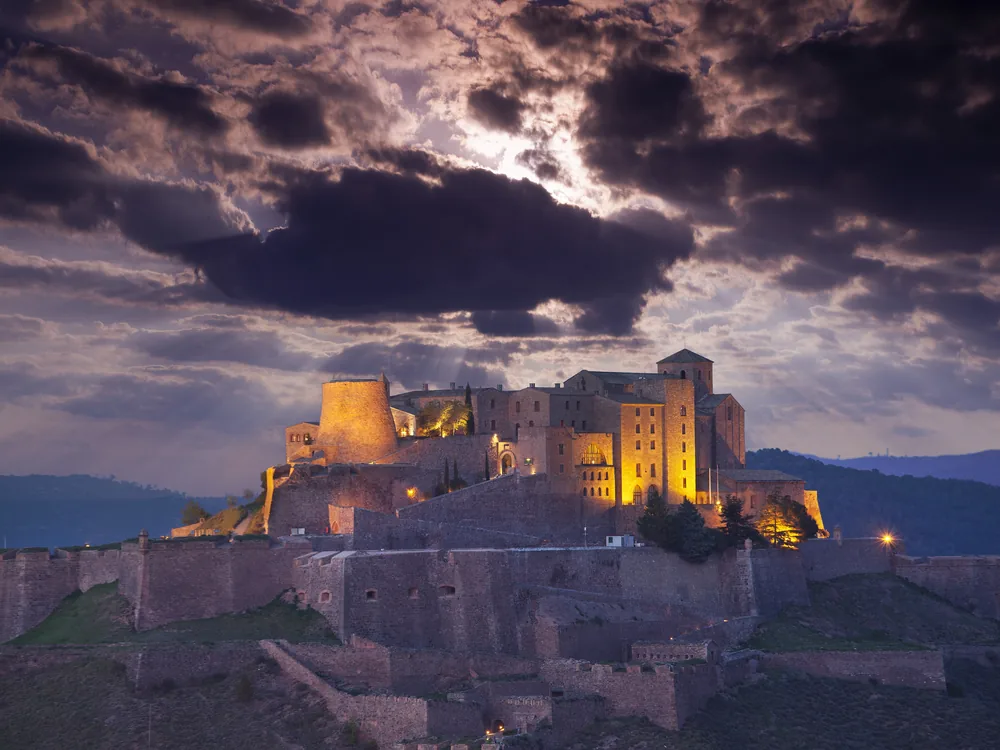
© Unsplash
Quick Facts
- Hours
- Tue–Sun 10:00–18:00. Closed Mon
- Day trip from
- €450
- Hotel rating
- ★★★★ 4-Star Hotel
- Duration
- 1–2 hours
- Best time
- April to October
- Nearest city
- Manresa
Featured Tour
Barcelona: Private Tour of Montserrat, Cardona Castle, and Salt Mine
Cancellation available · Instant confirmation
Stay Here
Parador de Cardona
★★★★ 4-Star HotelRooms are within the historic castle building itself
Booked via Booking.com · Free cancellation on most rates
Castle and Collegiate Church admission covered separately by the existing entry ticket — see Quick Facts/Visit above.
Highlights
- ✦One of the oldest Carolingian castles in Catalonia
- ✦Romanesque Collegiate Church of Sant Vicenç inside the walls
- ✦Parador hotel occupying the castle buildings
- ✦Spectacular views over the Cardoner valley and salt mountain
- ✦Site of the Dukes of Cardona, one of Catalonia's most powerful medieval dynasties
Tickets & tours
Book through GetYourGuide
Cardona Castle crowns an isolated hill above the Cardoner River valley in the Catalan pre-Pyrenees, its silhouette unmistakable for miles around. First fortified in Carolingian times, the castle reached its peak as the seat of the Viscounts and later Dukes of Cardona — one of the most powerful dynasties in medieval Catalonia, whose motto 'Neither the King, nor the Count, but the Duke of Cardona' speaks to their independent authority. Within the walls stands the exquisite Romanesque Collegiate Church of Sant Vicenç (1019), considered one of the finest early Romanesque buildings in Spain. The castle complex today houses a Parador hotel in the restored palatial wing, allowing guests to sleep within medieval walls.
History
The hill was fortified in pre-Roman times, though the Carolingian castle dates from the late 8th century. The Viscounts of Cardona expanded the complex and built the Collegiate Church in 1019. The castle became the seat of the Duchy of Cardona from the 15th century and was a major player in the politics of Catalonia and Aragon. After the Napoleonic Wars it served as a military barracks before being converted into a state-run Parador hotel in the 1970s.
How to Visit
Getting there: Cardona is 93 km north of Barcelona via the C-16 motorway (~1 hour by car). By public transport, take a bus from Barcelona's Estació del Nord to Cardona (approximately 1 hour 45 minutes). From Manresa (the nearest city), the drive is around 30 minutes. The castle hill is a short taxi ride or 30-minute walk up from Cardona's town centre.
Tickets: Walk-up entry €6 adult, €3 child; no advance booking required. The GetYourGuide tour — a 7-hour private day trip from Barcelona covering Montserrat, Cardona Castle, and the Salt Mine — book in advance for this private group tour.
Practical tips: Visit April–October for the best conditions; summer Saturdays the castle stays open until 20:00. Allow 1–2 hours for the castle circuit including the Collegiate Church of Sant Vicenç. Combine with the Muntanya de Sal (Salt Mountain) immediately adjacent — an extraordinary geological salt formation and one of the largest salt deposits in Europe.
Combine with: Castell de Tossa de Mar — the fortified medieval old town on the Costa Brava coast, around 100 km east. Siurana Castle — a dramatic clifftop Moorish castle in Tarragona province, around 100 km south.
How to Stay
Getting there: Already covered by the How to Visit section above (Cardona, 93 km north of Barcelona).
Rooms & rates: Rooms within the castle building itself, with canopy beds and Gothic touches, furniture inspired by medieval Catalonia; from about €89 per night.
On-site: Restaurant in the former medieval dining hall (regional Catalan cuisine), gym, sauna, free parking, panoramic views over the Cardoner valley and the salt mountain from the Romanesque church of Sant Vicenç.
Good to know: The hotel occupies the historic castle building itself, the same structure described in the visit section above — not a separate wing. The Dukes of Cardona were known as "kings without a crown" for their power within the Crown of Aragon; the castle was the last Catalan bastion to hold out in the War of the Spanish Succession, surrendering on 18 September 1714.
Combine with: The castle's own Collegiate Church of Sant Vicenç and the adjacent Salt Mountain, already covered above.
Frequently Asked Questions
Yes — the Parador de Cardona operates inside the restored castle buildings, offering hotel rooms with medieval atmosphere and valley views.
Location
Carrer del Castell, s/n, 08261 Cardona, Barcelona, Spain
Nearby Castles
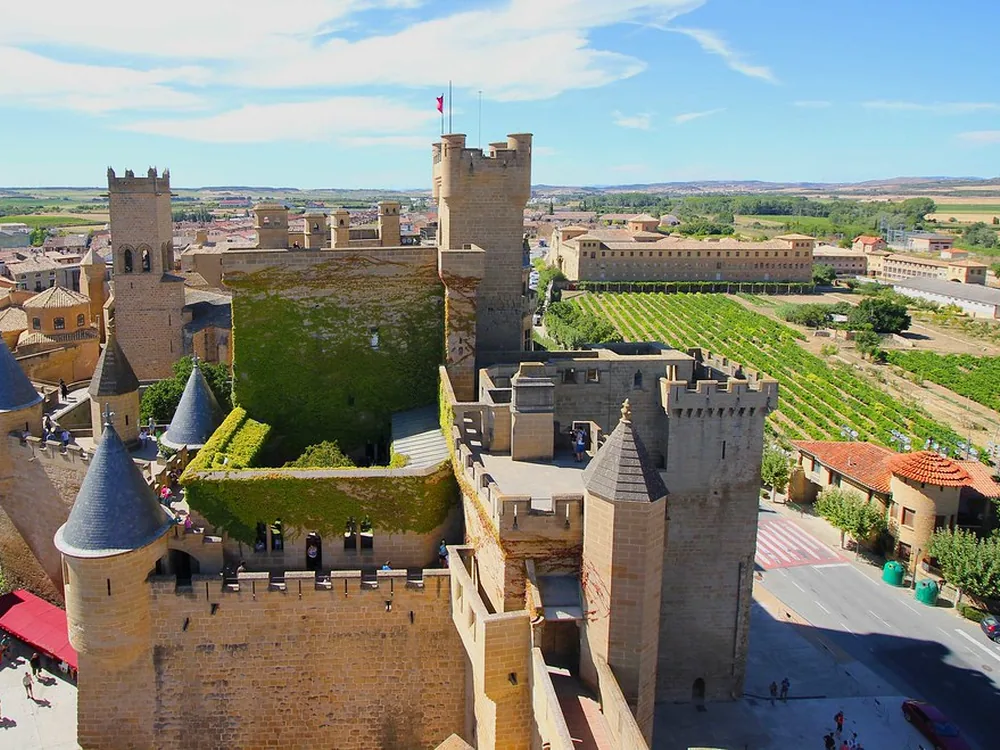
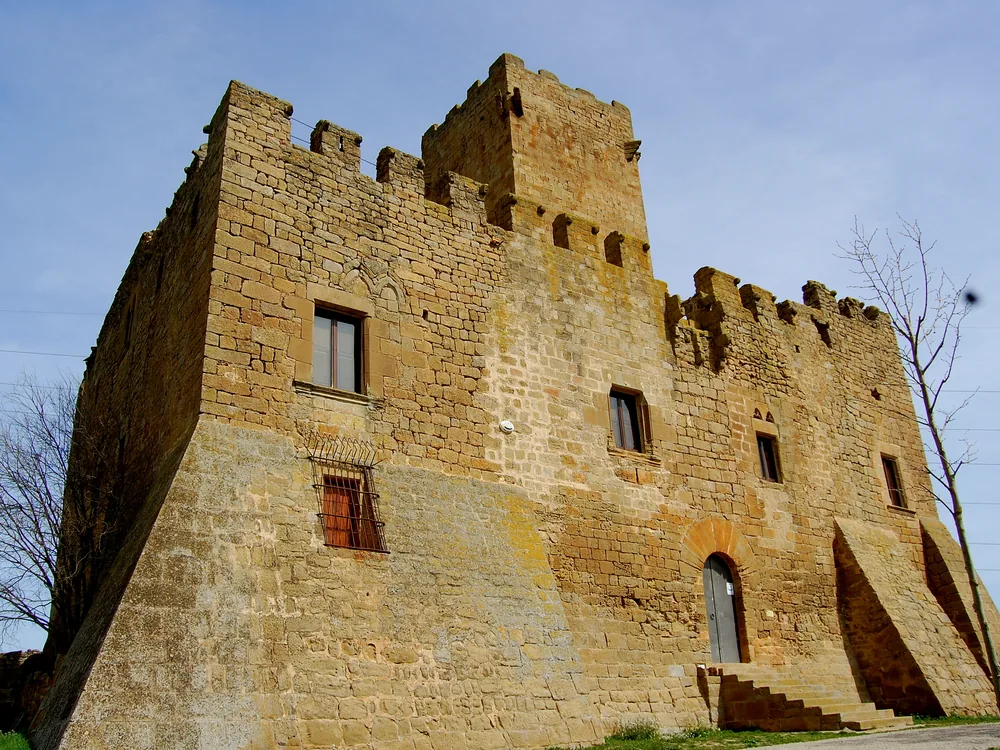
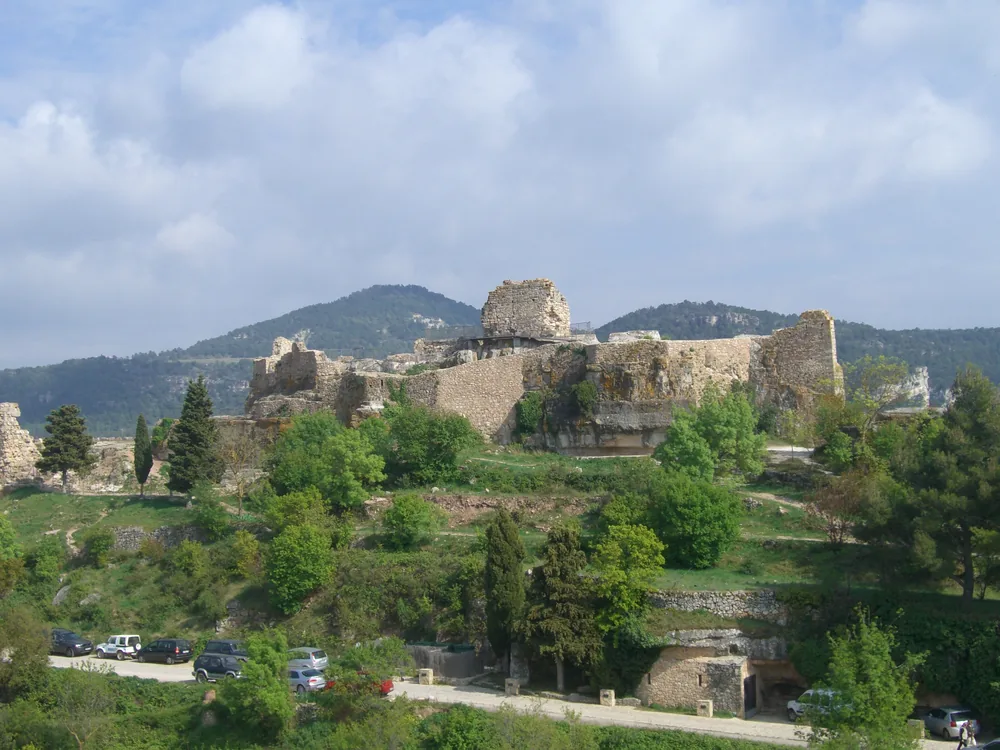
Tours & Tickets
Powered by GetYourGuide
From
€450/ person