
Château du Moulin-à-Vent
Château du Moulin-à-Vent
France · Beaujolais, Rhône — Moulin-à-Vent appellation, near Romanèche-Thorins · Near Villefranche-sur-Saône
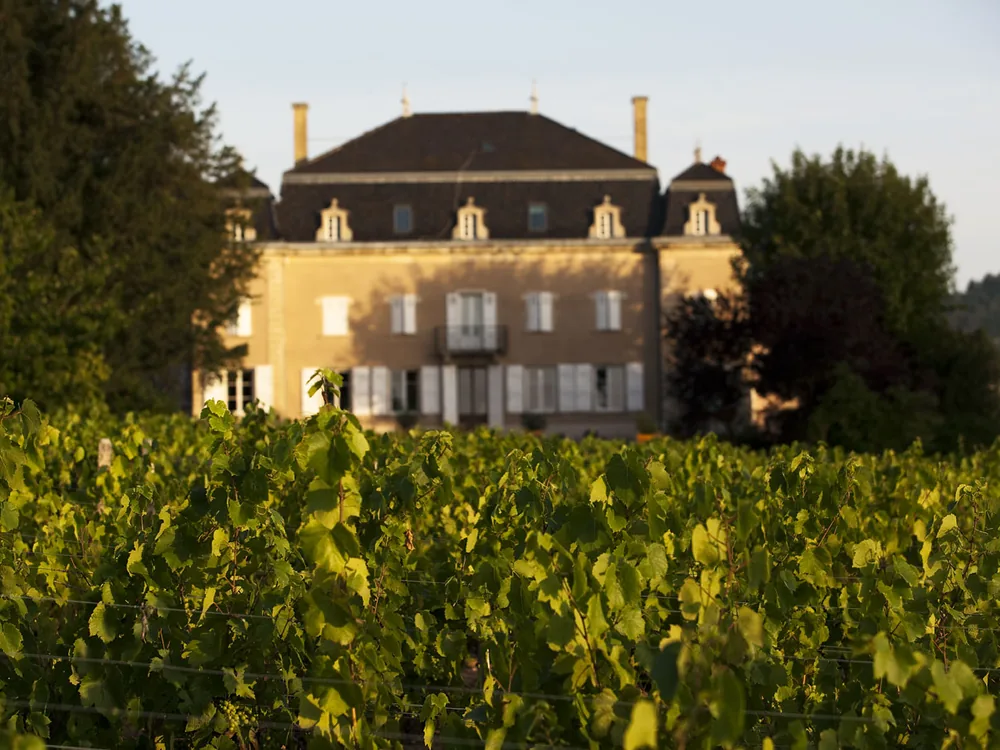
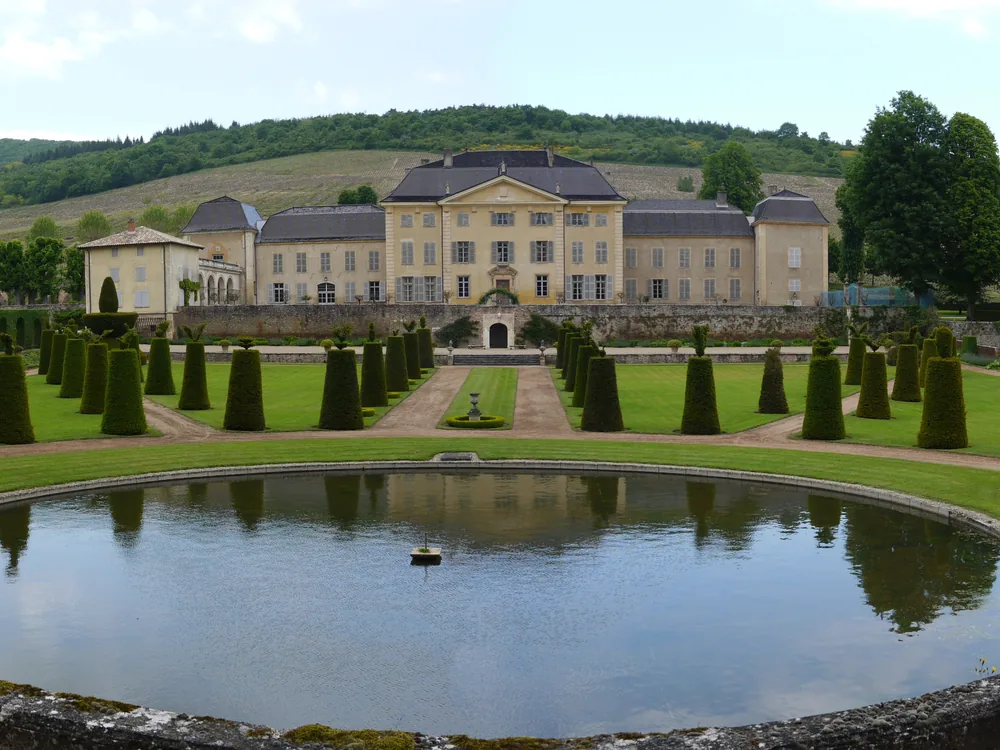
Built 1550 · 16th-century Beaujolais château-viticole — a compact residential manor in the local granite vernacular, with the vaulted underground cellars that define the estate's wine-production history; the architecture is domestic and agricultural rather than defensive, reflecting the Beaujolais tradition of château-building as an expression of wine estate identity rather than territorial power; the Clos de Londres vineyard plots immediately surrounding the main cellar building are defined by dry-stone granite walls in a pattern unchanged since the estate's 18th-century demarcation
This page is part of an independent travel guide and is not affiliated with, endorsed by, or operated by Château du Moulin-à-Vent.
© Castles & Palaces
Quick Facts
- Hours
- Tue–Sat 10:00–17:00. Closed Mon, Sun
- Guided tour from
- €79
- Duration
- 2 hours (guided cellar visit + 7-wine vertical tasting)
- Best time
- September to October
- Booking
- Required — book 3+ days ahead
- Nearest city
- Villefranche-sur-Saône
Featured Tour
Château du Moulin-à-Vent: Private Guided Cellar Tour & 7-Vintage Vertical Tasting
Cancellation available · Instant confirmation
Highlights
- ✦7-wine vertical tasting — the GetYourGuide tour includes a structured vertical tasting spanning the 2011, 2015, 2016, and 2022 vintages, plus the current release; experiencing the same terroir across multiple decades is unusual even among Beaujolais estate visits and gives the Clos de Londres' ageing potential concrete expression
- ✦Clos de Londres — the estate's emblematic vineyard plot has been documented as a benchmark Moulin-à-Vent site since 1732, when its boundaries were first formally established; the old-vine Gamay planted on the granite-blue soils here is among the oldest in the appellation
- ✦16th-century vaulted cellars — the underground cellar complex dates from the estate's foundation and has been in continuous use for wine storage and maturation ever since; the granite arches and the temperature-stable underground environment are both original and functional
- ✦Moulin-à-Vent appellation — widely considered the 'King of Beaujolais,' Moulin-à-Vent produces the longest-lived and most structured wines in the cru Beaujolais classification; aged examples from the Clos de Londres regularly develop secondary complexity resembling mature Burgundy, giving the appellation a claim to seriousness that the Beaujolais Nouveau reputation often obscures
- ✦Private guided format — the GetYourGuide tour runs as a private visit for your group, with a specialist guide covering the vineyard, the cellar, and the vertical tasting without the shared-group format of most winery tour products
- ✦First Beaujolais entry on the site — Château du Moulin-à-Vent is the first Beaujolais-appellation estate covered here, filling the gap between the Burgundy coverage to the north and the Rhône Valley content to the south
Skip the queue with a guided tour
Skip-the-line tickets & expert guides
Château du Moulin-à-Vent sits in the commune of Romanèche-Thorins, in the heart of the Moulin-à-Vent appellation — the cru Beaujolais territory that takes its name from the 15th-century windmill that still stands on the hill above the vineyards, its sails long gone but its tower intact. The estate's history as a benchmark wine property in this appellation stretches back at least to 1732, when the Clos de Londres — the plot of old-vine Gamay immediately surrounding the main cellar building — was first formally demarcated as a distinct vineyard unit. That continuity of identity, wine-producing location, and farming practice over nearly three centuries is the estate's most significant claim on attention.
The Moulin-à-Vent appellation is the most discussed and longest-lived of the ten cru Beaujolais — the ten communes within the Beaujolais zone permitted to drop the 'Beaujolais' suffix from their wine labels and sell under their own communal name alone. The cru Beaujolais are, as a category, the corrective to the Beaujolais Nouveau caricature: they are not light, fresh, early-release wines but concentrated, terroir-expressive Gamay that in the best cases ages for a decade or more. Moulin-à-Vent, in particular, has a reputation for developing secondary complexity in bottle — the granite-based soils of the better plots (including the Clos de Londres) release manganese as the vines draw nutrients from deeper rock layers, and this mineral element appears to slow the ageing process and build the kind of tannic structure that is unusual in Gamay grown elsewhere. Mature Moulin-à-Vent from a producer like Château du Moulin-à-Vent is often described as resembling Burgundy more than it resembles what most people associate with Beaujolais.
The château building itself is an exercise in the Beaujolais domestic-agricultural vernacular: a compact residential manor in local granite with the functional additions of a working wine estate accumulated around it over four centuries. The distinguishing architectural element is the 16th-century vaulted underground cellar complex — stone-arched, granite-walled, temperature-stable, and in continuous use since the estate's foundation. Visiting the cellar is central to the GetYourGuide tour experience: the vaulted architecture, the progression of barrel rows in the aging cellar, and the specific sensory atmosphere of a working underground wine space that has not been renovated into a slick visitor experience are all present and unmediated.
The guided visit (private) runs for two hours and includes the Clos de Londres vineyard walk — the demarcated plots of old-vine Gamay in granite soil that represent the estate's historical core — and a seven-wine vertical tasting covering the 2011, 2015, 2016, and 2022 vintages alongside the current release. Vertical tastings at this scope (seven wines, spanning more than a decade of the same vineyard) are uncommon even among Beaujolais estate experiences and give the Clos de Londres' ageing character concrete expression: a visitor who drinks the 2022 alongside the 2011 from the same site is experiencing the argument for Moulin-à-Vent's seriousness rather than hearing it described.
The rating is modest by the site's standards and reflects the tour's niche appeal: the format is specialist rather than touristic, the vertical tasting format requires genuine wine interest, and the price (€79 private) positions it above casual wine tourism. Visitors who are seriously interested in Beaujolais wine, in cru Beaujolais in particular, or in experiencing a vertically structured tasting in a working cellar environment will find the experience appropriate to the price. Visitors looking for a general Beaujolais introduction should look at the more accessible appellation visitor options around the Hameau du Vin museum near Romanèche-Thorins.
Château du Moulin-à-Vent is accessible by car from Lyon (approximately 60 kilometres north on the A6) or by TGV to Mâcon followed by a short taxi or hire-car leg south. The Beaujolais wine route (Route des Vins du Beaujolais) passes through Romanèche-Thorins and the surrounding cru communes; the Moulin-à-Vent appellation villages form a cluster that rewards a half-day driving circuit.
History
Moulin-à-Vent windmill documented 15th century, giving the appellation its name. Château du Moulin-à-Vent estate established as a wine-producing property by the 16th century; vaulted underground cellars constructed at this period. 1732: Clos de Londres vineyard plot formally demarcated and documented as a benchmark Moulin-à-Vent site. Estate produces wine through successive ownership changes. 20th century: Moulin-à-Vent appellation formally established within the Beaujolais cru system. Current estate continues old-vine Gamay production under the Clos de Londres designation.
How to Visit
Getting there: Romanèche-Thorins is ~60 km north of Lyon by car on the A6. By train, take a TGV to Mâcon-TGV station then a taxi or hire car south (~20 min). Public transport within the appellation area is very limited; a car is recommended.
Tickets: Admission is €15 for adults; children enter free. Advance booking is required — this is a working estate and visits run by appointment only. The GetYourGuide private guided tour covers a 2-hour private visit of the 16th-century vaulted cellars and the Clos de Londres vineyard, including a structured 7-vintage vertical tasting spanning the 2011, 2015, 2016, and 2022 vintages alongside the current release.
Practical tips: The vertical tasting format is specialist — bring genuine wine curiosity rather than arriving expecting an introductory Beaujolais experience. The private format means the pace is yours; use the guide to understand the granite-soil terroir argument before tasting, as the old-vine Gamay character needs context to read correctly. Visit during harvest (September–October) for the most atmosphere in the cellars, but confirm availability well ahead as estate operations may limit tour slots.
Combine with: The Moulin-à-Vent appellation's cru commune neighbours — Fleurie, Morgon, and Chénas — are all within 15 km and together form a logical half-day Beaujolais wine circuit by car. The Hameau du Vin (Beaujolais wine museum) near Romanèche-Thorins provides broader appellation context for visitors who want the full picture before or after the cellar visit.
Frequently Asked Questions
The format is specialist but not exclusive — the private guide provides context for each wine and vintage before tasting. Basic familiarity with wine will enhance the experience but is not required. The Clos de Londres vertical is unusual enough that wine professionals and casual enthusiasts experience it differently but both can engage with it. If you are specifically interested in understanding how Moulin-à-Vent ages, the vertical format is the most efficient way to learn.
Location
Château du Moulin-à-Vent, 71570 Romanèche-Thorins, France
Nearby Castles
Tours & Tickets
Powered by GetYourGuide
From
€79/ person