
Fraeylemaborg
Fraeylemaborg
Netherlands · Groningen · Near Slochteren, Groningen
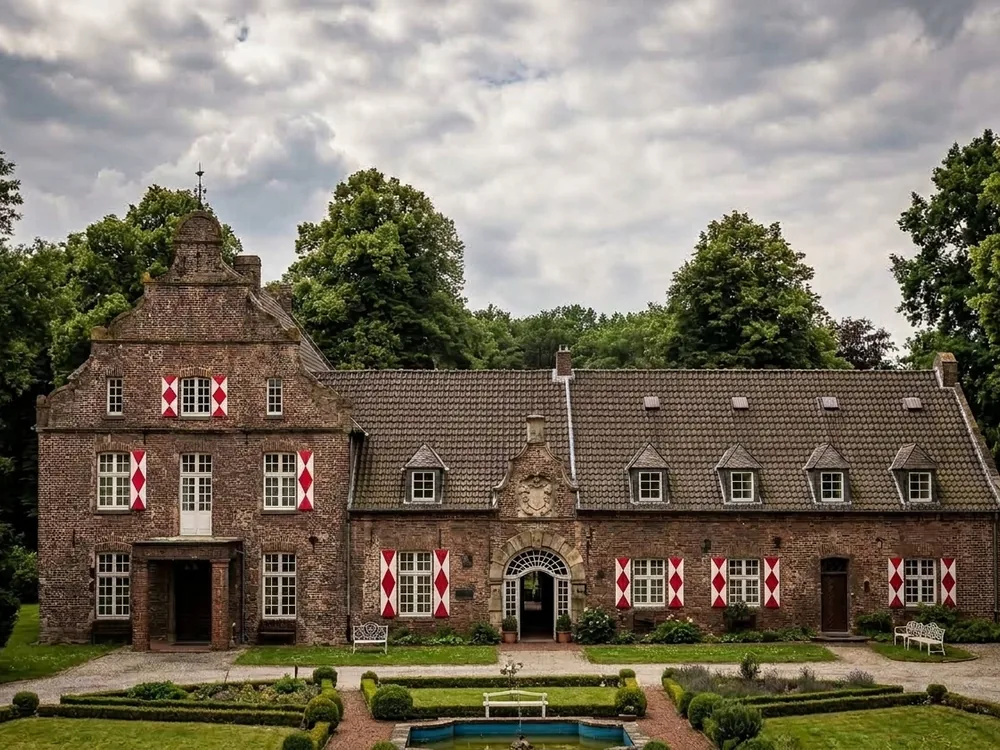
Built 1770 · Late 18th-century Groningen borg — a class of fortified manor house unique to Groningen province — remodelled in 1770 over a much older moated medieval core; the borg building type was built by Groningen's landed gentry (the ommelander adel) rather than royalty or high nobility, reflecting the flat agricultural province's own local power structure; the current building presents as a substantial country manor with formal gardens and a landscaped park rather than a fortress, though the original moat remains; Fraeylemaborg is the largest surviving borg in Groningen province and now operates as a museum with public park
This page is part of an independent travel guide and is not affiliated with, endorsed by, or operated by Fraeylemaborg.
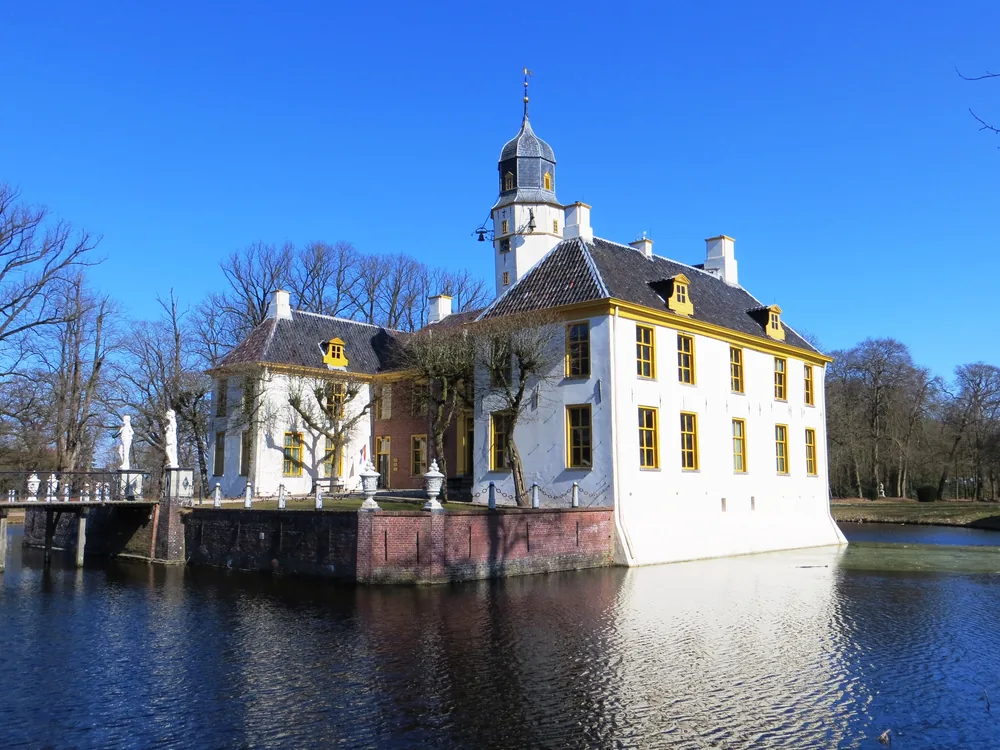
© Castles & Palaces
Quick Facts
- Hours
- Tue–Fri 10:00–17:00. Sat & Sun 11:00–17:00. Closed Mon
- Entry via GetYourGuide
- €10
- Duration
- 1.5–2 hours
- Best time
- May to September
- Nearest city
- Slochteren, Groningen
Featured Tour
Fraeylemaborg: Entry Ticket — Museum and Park
Cancellation available · Instant confirmation
Highlights
- ✦The 'borg' is a building type unique to Groningen province — a fortified manor house built not by royalty or great nobility but by the provincial landed gentry (the ommelander adel) of this flat, agriculturally wealthy corner of the Netherlands; the Groningen borgen are unlike castles elsewhere in the country, reflecting a local power structure that had no parallel in Holland or Zeeland
- ✦Fraeylemaborg is the largest surviving borg in Groningen province, with its original moat still intact, formal gardens in the Dutch 18th-century style, and a landscape park extending to approximately 35 hectares — substantially more to explore than the house itself
- ✦The 1770 remodel gives the current building a classically elegant manor-house character at odds with the word 'fortress' — but beneath the stucco and sash windows, the older medieval moated core survives, and the moat itself makes the defensive origins visible
- ✦Slochteren, the village where the borg stands, was at the centre of one of the largest natural gas discoveries in European history — the Slochteren gas field, found in 1959, transformed the Dutch economy and funded the welfare state expansion of the 1960s–70s, though the resulting subsidence from gas extraction caused structural damage across the region and was eventually ended in 2018; this industrial and political backstory gives the seemingly rural setting an unexpectedly dramatic 20th-century dimension
- ✦Groningen province is genuinely off the Dutch tourist circuit — most international visitors reach Amsterdam and occasionally Utrecht, but the country's northeastern provinces are terra incognita for most tourists; Fraeylemaborg offers a high-quality historic house experience in a setting where crowding is not a concern
Skip the queue with a guided tour
Skip-the-line tickets & expert guides
Most visitors who think about Dutch historic architecture think of Amsterdam's canal houses, Rotterdam's modern rebuilding, or the windmills and polders of Holland proper. Groningen province, in the far northeast of the Netherlands along the German border, rarely appears in this mental geography — and yet it possesses a building type that exists nowhere else in the Netherlands and is insufficiently known even within the country: the borg. Fraeylemaborg is the largest surviving example.
The borg was the dominant form of landed-gentry residence in Groningen province from the medieval period through the 18th century. The word itself derives from the same root as borough and burg, indicating a fortified place, and the original medieval borgen were genuinely defensive structures — moated, thick-walled, positioned on slightly elevated ground above the surrounding flat agricultural landscape to command views in all directions. But unlike the castles of Zeeland or the city defences of the major Dutch towns, the Groningen borgen were not built by counts, dukes, or great merchant-trading families. They were built by the ommelander adel — the rural landed aristocracy of the Ommelanden, the area surrounding the city of Groningen — a provincial gentry whose wealth came from the extraordinarily fertile clay soils of the Groningen plain and whose political power depended on control of the agricultural surplus those soils produced.
This agricultural basis distinguishes the borgen from most other Dutch historic architecture. Where Amsterdam's merchant class built canal houses to display commercial wealth in an urban context, the Groningen gentry built fortified manor houses to anchor their authority on a flat, intensively farmed agricultural landscape where the borg's towers were visible across the polders for kilometres. The social structure this created was more similar to the rural nobility of northern Germany — Junker territory, just across the modern border — than to the mercantile cities that dominate the popular image of the Netherlands.
Fraeylemaborg's history begins in the medieval period, when an earlier fortified structure occupied this moated site in Slochteren. The current building is largely the product of a major remodelling in 1770, which gave the house its present character: a substantial country manor with classical proportions, sash windows, formal gardens in the Dutch 18th-century idiom, and a landscape park that extends to approximately 35 hectares. The older medieval fabric underlies the remodelled exterior, and the original moat — still intact and surrounding the main building — is the most visible evidence of the pre-1770 defensive structure. The 1770 owner, from the Lewe family (one of the principal Groningen borg-owning dynasties), was following a common pattern: the economic confidence of the 18th century prompted many borg families to remodel their inherited medieval structures into something that looked more like an English country house or a French maison de maître than a fortified stronghold.
The formal gardens immediately adjacent to the house are laid out in the Dutch landscape tradition of the 18th century, with clipped hedges, box parterres, and axial paths radiating from the house into the surrounding park. The park itself was redesigned in the English landscape style in the late 18th or early 19th century — replacing the earlier formal geometry with the naturalistic lakes, grass, and tree groupings that the English landscape movement popularised across European estate gardens of the period. The combination of formal garden near the house and English landscape park at a distance is typical of Groningen borg estates of this era and creates a layered visual experience that rewards walking the full perimeter.
The museum collection inside the house covers the history of the Groningen borgen and the specific families who built and occupied Fraeylemaborg across six centuries. Furniture, portraits, silver, and applied arts from the 17th through 19th centuries document the domestic life and material culture of the Groningen landed gentry. The collection is not outstanding by the standards of the great Dutch art museums, but it is contextually appropriate to the building and provides the historical framing that makes the architecture legible.
The village of Slochteren, which Fraeylemaborg overlooks, has its own 20th-century story that gives the rural setting an unexpectedly dramatic backstory. In 1959 the Dutch petroleum company NAM discovered the Slochteren gas field beneath the village — one of the largest natural gas discoveries in European history, whose reserves underpinned Dutch energy production and the welfare state expansion of the 1960s and 1970s. The gas extraction from the field also caused subsidence that damaged thousands of buildings across the Groningen province, creating a decades-long structural and political crisis that was eventually resolved by ending extraction in 2018. The quiet agricultural landscape visible from Fraeylemaborg's gardens has been, within living memory, the subject of a major energy industry and its aftershocks.
The GetYourGuide entry ticket covers the house museum and the full park. The house is open Tuesday through Sunday from April to October; the park is accessible year-round. Getting to Slochteren requires a car or a bus connection from Groningen city (approximately 15 kilometres west), which has direct rail connections to Amsterdam, Utrecht, and the German border. Groningen city itself is worth a visit — its Martinikerk and market square are among the best-preserved medieval urban ensembles in the Netherlands — and combining a Fraeylemaborg morning with a Groningen afternoon makes a Groningen province day of consistent quality. This is genuinely undervisited territory for a very well-maintained historic site. The park itself is open year-round and free to enter at all times, making it a practical stop even for visitors who arrive outside museum opening hours.
History
The Fraeylemaborg site has been occupied by successive borg structures from the medieval period, with the earliest documented fortified house predating the current building by several centuries. The current structure is largely the product of a major remodelling in 1770 by the Lewe family, one of Groningen province's principal landed-gentry dynasties, giving the building its present manor-house character above the older moated core. The estate passed through several families before being acquired by a foundation in the 20th century and opened to the public as a museum and park. Fraeylemaborg is the largest surviving example of the borg building type unique to Groningen province.
How to Visit
Getting there: By car from Groningen city: approximately 15 km east via the N387. By public transport: bus from Groningen to Slochteren (check current timetables; journey approximately 25–30 minutes), then short walk to the borg.
Tickets: GetYourGuide entry ticket covers house museum and park. Walk-up tickets also available.
Visit length: 1.5–2 hours for house and formal gardens; longer for a full walk of the landscape park.
Practical tips: May to September.
Combine with: Groningen city centre (15 km west) for the Martinikerk, Groninger Museum, and market square — a Groningen province full day that puts the rural borg in context with the provincial capital.
Frequently Asked Questions
A borg is a building type unique to Groningen province in the Netherlands — a fortified manor house built by the regional landed gentry (the ommelander adel) rather than by royalty or great nobility. The borgen were defensive structures with moats in their medieval form, but they were domestic residences reflecting local agricultural wealth and provincial political power rather than royal or high-noble castles in the traditional sense. Most surviving borgen were remodelled in the 18th century into country-house form; Fraeylemaborg is the largest example.
Location
Hoofdweg 30, 9621 AB Slochteren, Netherlands
Nearby Castles
Tours & Tickets
Powered by GetYourGuide
From
€10/ person