
Melilla Fortress
Medina Sidonia de Melilla
Spain · Melilla (autonomous city) · Near Melilla
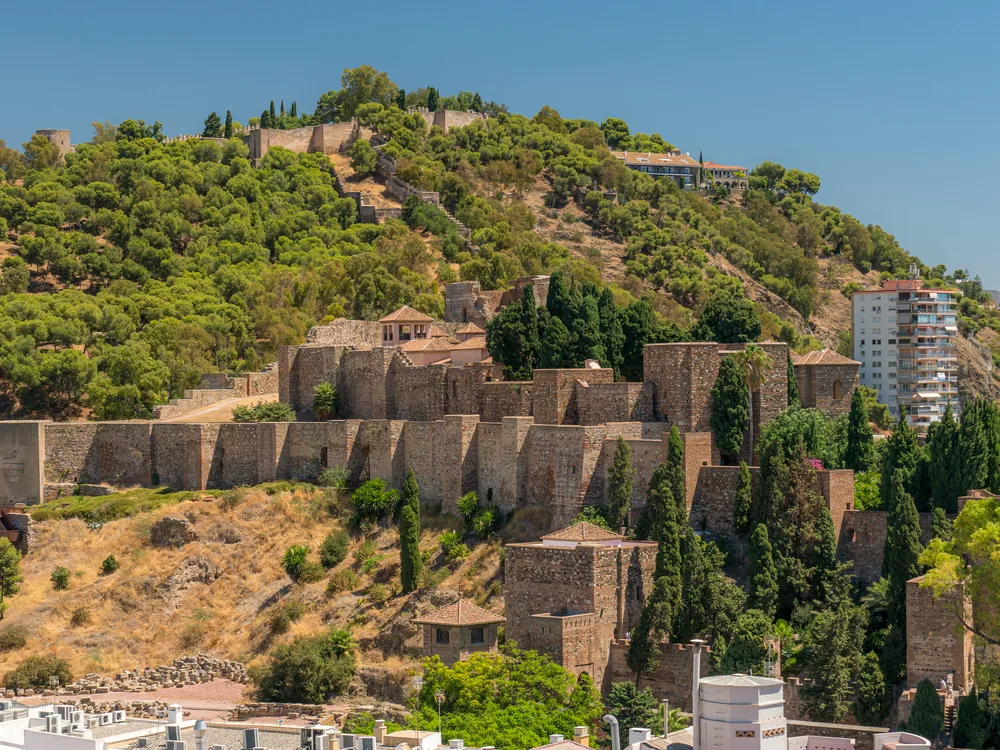
Built 1497 · Layered fortification on a coastal promontory; the oldest layers date from Berber and Phoenician settlement; the Spanish defensive complex was constructed from 1497 onwards over earlier Arab fortifications; Renaissance bastions with artillery embrasures added in the 16th century; the Medina Sidonia (old city) — a complete walled medieval settlement within the fortress perimeter — is the most complete example of a Spanish colonial fortified city on the North African coast
This page is part of an independent travel guide and is not affiliated with, endorsed by, or operated by Melilla Fortress.
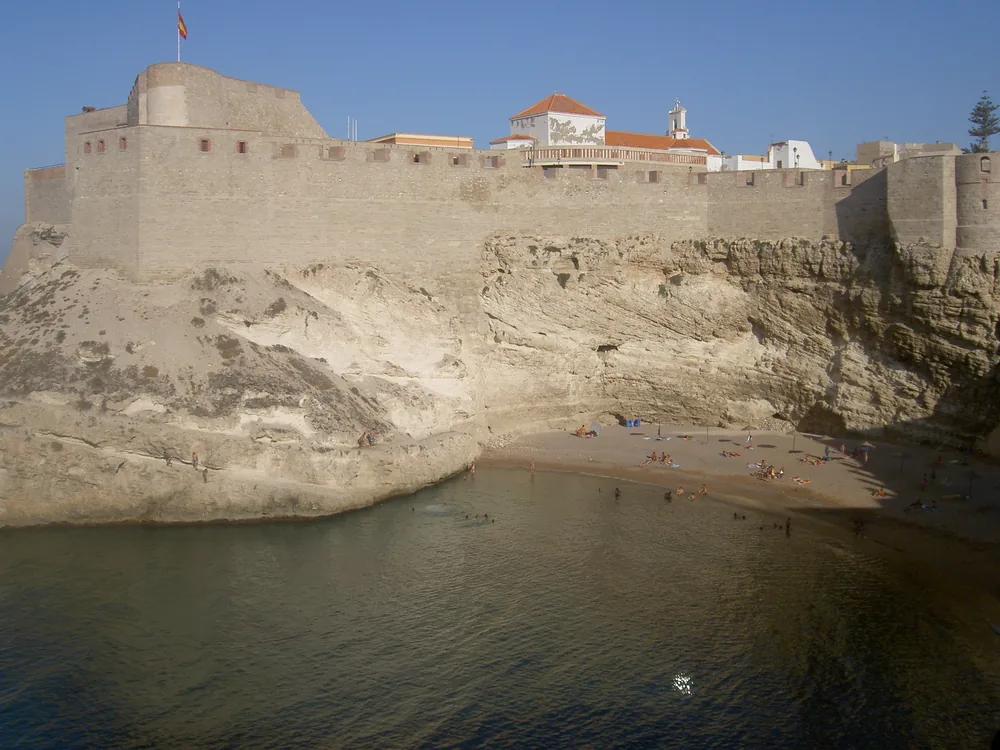
© Castles & Palaces
Quick Facts
- Hours
- Mon–Fri 09:00–21:00. Sat & Sun 10:00–14:00
- Guided tour from
- €20
- Duration
- 2–3 hours
- Best time
- October to April
- Nearest city
- Melilla
Featured Tour
Melilla Fortress Sightseeing Tour — caves, chapel & city walls
Cancellation available · Instant confirmation
Highlights
- ✦Medina Sidonia — a complete medieval walled town within the fortress, with churches, palaces, cisterns, and streets unchanged since the 16th century; one of the most intact examples of a Spanish colonial fortified city anywhere
- ✦The Aljibes (underground cisterns) — a complex of medieval and early modern underground water storage chambers beneath the fortress, accessible on the guided tour
- ✦Puerta de Tierra and Puerta de Mar — the principal land and sea gates of the fortress, with Renaissance stonework and the arms of the Castilian crown
- ✦The Gothic chapel — a rare example of Gothic ecclesiastical architecture on the North African coast, preserved within the fortress walls
- ✦500 years of stratified history — Phoenician trading post, Roman Rusaddir, medieval Arab alcazaba, Spanish presidio — all on one promontory
- ✦Spanish guided sightseeing tour (t1050228, €20) — covers the fortress interior, museums, caves, and fortification circuit with commentary
Skip the queue with a guided tour
Skip-the-line tickets & expert guides
The Melilla Fortress — officially the Medina Sidonia of Melilla — is a layered fortification on a rocky promontory jutting into the Mediterranean on the North African coast. It is the historic core of Melilla, one of Spain's two autonomous cities on the African continent (the other is Ceuta), and one of the oldest continuously occupied Spanish possessions: Spain has held Melilla since 1497, making it Spain's longest-held overseas territory.
The hill the fortress occupies has been fortified for at least 2,500 years. Phoenician traders established a settlement here; the Romans called it Rusaddir and made it a significant port of the Mauretania Tingitana province; medieval Arab rulers built a medina and alcazaba on the promontory. When the Duke of Medina Sidonia's forces captured the town for the Crown of Castile on 17 September 1497 — just five years after the final Reconquista victory at Granada — they inherited all of this in one gesture.
The Spanish subsequently added their own architectural layers: Renaissance bastions with artillery embrasures, underground cisterns (Aljibes) for water storage during sieges, a Gothic chapel, and the principal city gates — Puerta de Tierra (land gate) and Puerta de Mar (sea gate) — with carved coats of arms of the Castilian and later Spanish crown. Within the fortress perimeter, the Medina Sidonia contains a complete medieval street pattern of narrow lanes, palaces, churches, and residential buildings — an enclosed town-within-a-fortress that has been inhabited continuously since the 15th century.
The guided sightseeing tour (t1050228, €20) covers the main sections of the fortress including the Aljibes, the Gothic chapel, Plaza de los Aljibes, both main gates, and the Muralla de las Cruces; museum admission is included in the tour price.
History
Melilla's position on the North African coast — a peninsula controlling the approach to the Alboran Sea, with a sheltered harbour — gave it strategic value across three millennia. Phoenician traders from Tyre established a colony here around 600 BCE; the Romans used it as a supply port for their African campaigns. After the Arab conquests of the 7th century CE, the town became part of the Islamic world and was administered by various Berber dynasties.
Spanish interest in the North African coast intensified in the 15th century as the Reconquista reached completion on the Iberian Peninsula. Ferdinand and Isabella authorised an expedition to Melilla, which the forces of the Duke of Medina Sidonia captured in 1497 — the first Spanish territorial acquisition in Africa. The town gave its name to a new Spanish military commitment: the presidio (garrison post), a walled Spanish settlement on a foreign coast, maintained primarily for strategic rather than economic reasons.
The fortress was attacked repeatedly over the following centuries — by Ottoman and Moroccan forces, by Rif Berber tribes, and during the Spanish Civil War. Its survival as a Spanish enclave through five centuries of North African political upheaval reflects both the strength of its fortifications and the consistently high strategic value Spain placed on retaining a foothold on the African continent.
How to Visit
Getting there: Melilla is reached by Iberia/Air Nostrum flights from Madrid and Málaga (around 1 hour) or by ferry from Almería (6–8 hours) or Málaga (8 hours). Once in Melilla, the fortress — the Medina Sidonia — is the rocky promontory at the centre of the old town, a 10-minute walk from the ferry terminal or a short taxi from the airport.
Tickets: Free entry. The GYG tour (t1050228, from €20, 5.0★/2 reviews) — a 2-hour guided visit covering the Aljibes underground cisterns, Gothic chapel, both main gates, and the Muralla de las Cruces, with museum admission included — is the recommended way to access the interior sections; book in advance as it runs on set departure times.
Practical tips: Independent visits to the fortress exterior and old city streets are possible during daylight hours at no charge, but the Aljibes (underground cisterns) are accessible only on the guided tour — they are one of the site's highlights, so the tour is worth booking. While in Melilla, the modern city outside the fortress holds the highest concentration of Modernista architecture in Spain outside Barcelona (buildings by Enrique Nieto, a student of Gaudí) — plan a walking hour in the new city after the fortress. Avoid July and August if possible: temperatures regularly exceed 30°C.
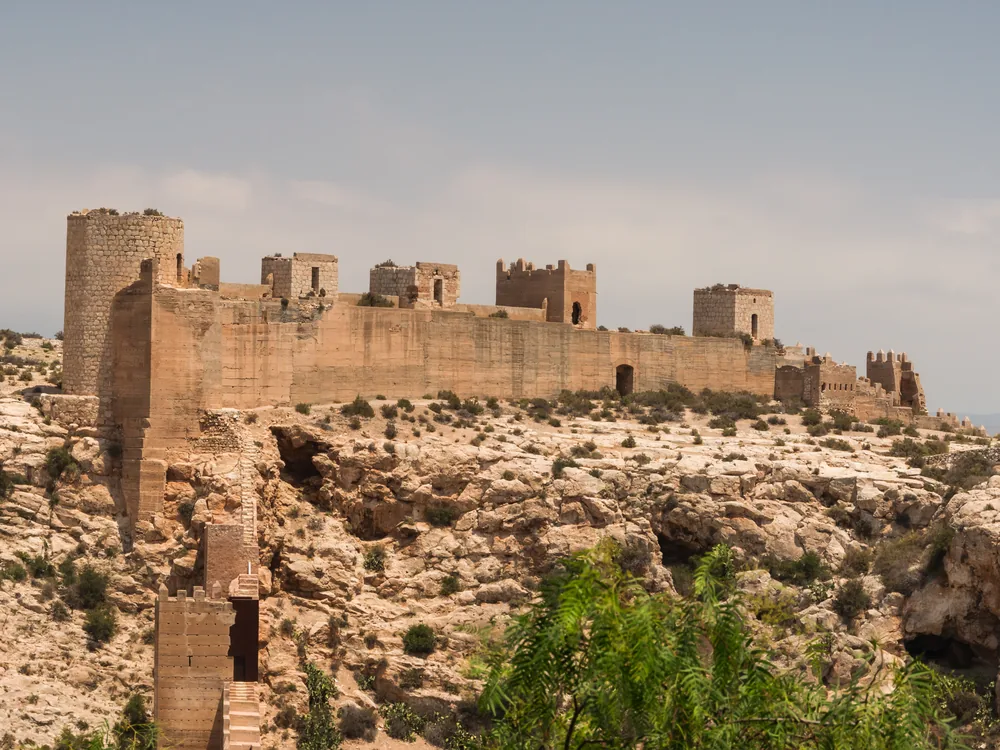
Combine with: [Alcazaba of Almería](/castles/spain/alcazaba-de-almeria) — the great Moorish fortress at the main mainland ferry port for Melilla — or [Castillo de Gibralfaro](/castles/spain/castillo-de-gibralfaro) in Málaga, departure point for the longer crossing and another Nasrid coastal fortress.
Frequently Asked Questions
Melilla is a Spanish autonomous city — it is legally, administratively, and politically part of Spain (and the EU), situated on the North African coast entirely surrounded by Moroccan territory. Spain has held Melilla continuously since 1497, making it one of Europe's oldest remaining overseas territories. Morocco disputes Spanish sovereignty over Melilla and the nearby territory, but this dispute is bilateral and does not affect visitor access — EU citizens enter freely; non-EU visitors should check current entry requirements.
Location
Medina Sidonia, 52001 Melilla, Spain
Nearby Castles
Tours & Tickets
Powered by GetYourGuide
From
€20/ person