
France · Updated May 2026
Loire Valley 3-Day Itinerary: The Perfect Château Road Trip
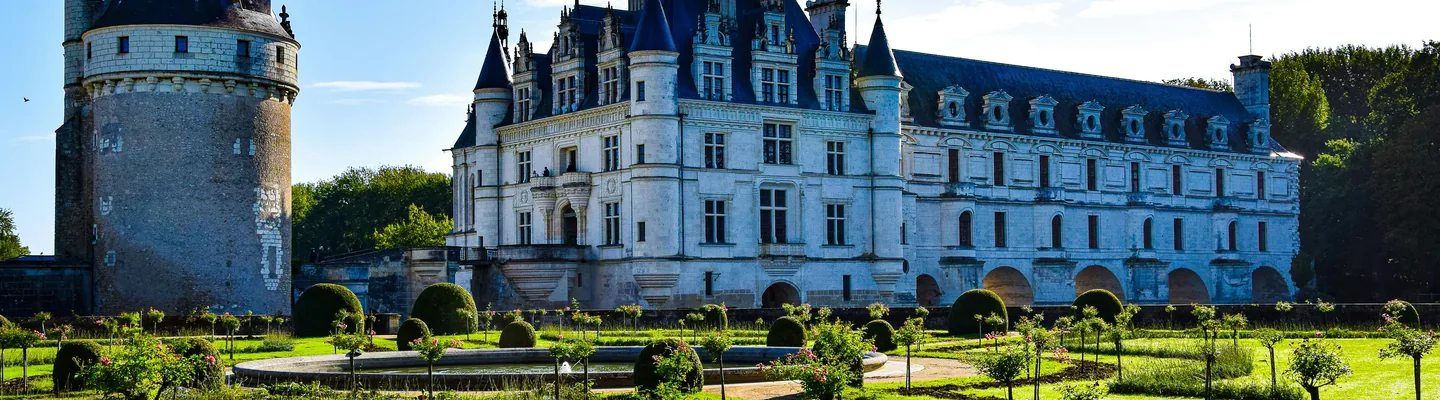
The Loire Valley contains more significant Renaissance châteaux in a 100-kilometre corridor than anywhere else in the world. It was here that the French court established itself in the late 15th century, here that Italian Renaissance culture entered France, and here that the monarchs who would build Versailles first learned to spend on architecture. The result is a UNESCO World Heritage landscape of extraordinary density — 42 classified châteaux, 13 official vineyards of the Loire appellation, and a river valley whose gentle topography, chalk cliffs, and soft Atlantic light made it the playground of French royalty for three centuries.
Three days is the minimum to do the valley justice without feeling rushed. This itinerary is designed for travellers based in Amboise — the most centrally located town for the main châteaux — using a hire car or bicycle for the shorter distances.
Before You Go
Base yourself in Amboise. The town is more charming than Tours, more central than Blois, and has the advantage of having a significant château of its own plus Leonardo da Vinci's last home (Clos Lucé) a five-minute walk away. Good hotels: Le Choiseul (grand 18th-century house, Loire views) or Maison de Thomas (smaller, excellent breakfasts). The campsite on the island in the Loire is popular with cycling visitors.
Transport: A hire car from Tours gives maximum flexibility. The distances between châteaux are short (20-30km typically) and parking is generally available and free at the sites. Alternatively, Loire à Vélo — the dedicated cycling route along the Loire — connects most châteaux and is excellent for the flat valley floor; the hills around Amboise are less suited to casual cyclists.
Ticket advice: No Loire Valley château requires advance booking except during July–August peak weeks. In spring and autumn, walk-up tickets at opening time work fine. Many châteaux offer combination tickets (Cheverny + Chambord, for instance). Son et lumière evening shows at Chambord and Chenonceau in summer require advance booking and are worth it.
Day 1: Chambord and Cheverny
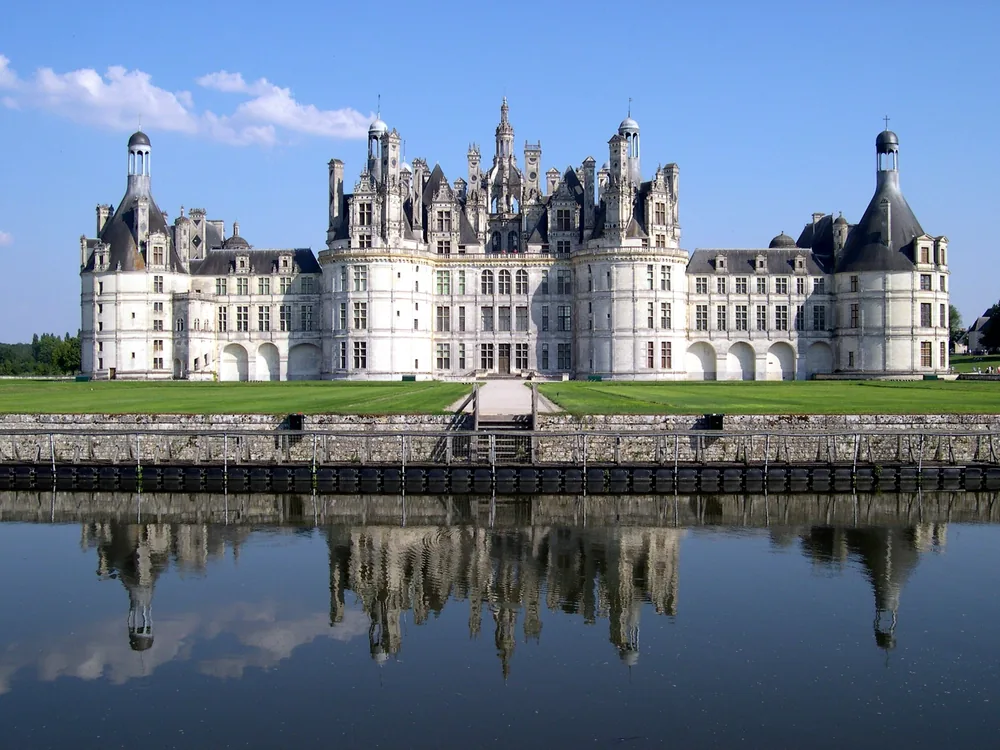
Start early at Château de Chambord (40 min from Amboise), the single most spectacular château in the Loire and the one that rewards the most time. Arrive at 9am opening — the morning light on the roofline from the east and the reflections in the moat are at their best before coach tours arrive at 10am.
Spend two to three hours at Chambord. The essentials: the double-helix staircase at the centre (the architectural marvel attributed to Leonardo da Vinci, though the attribution remains disputed), the extraordinary rooftop terrace with its forest of chimneys and dormers, and the restored royal apartments. The rooftop is the most important thing to see — if time is short, spend it there.
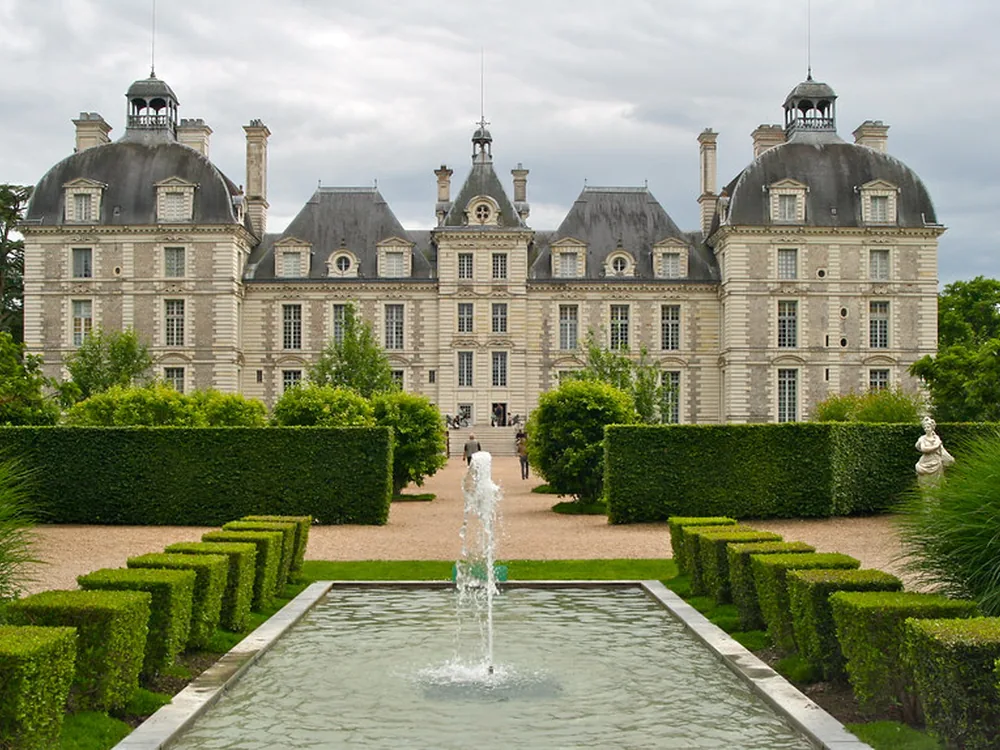
Drive or cycle 15 kilometres to Château de Cheverny for an afternoon visit. Cheverny is the antidote to Chambord: smaller, inhabited, intimate. The same Hurault family has lived here since 1634 and their actual 17th-century furnishings fill the public rooms — Flemish tapestries, portraits, family silver — creating an atmosphere of inhabited aristocratic elegance that no state museum can fake.
Don't miss: the daily hound feeding ceremony (5pm in summer, 3pm off-season) where 120 pack hunting hounds are fed in about 90 seconds of orchestrated chaos. It is one of the strangest and most entertaining spectacles in the Loire. The Tintin connection (Hergé based the exterior of Captain Haddock's château on Cheverny) is explored in a permanent exhibition with original artwork.
Evening: Return to Amboise. Dinner at L'Alliance (excellent Loire fish — pike-perch, eel) or Les Arpents (modern French, good local wine list). Loire Valley wines: Vouvray (white, off-dry to sweet chenin blanc) and Chinon (red, gamay/cabernet franc) are the local bottles to drink.
Day 2: Chenonceau and Leonardo's Amboise
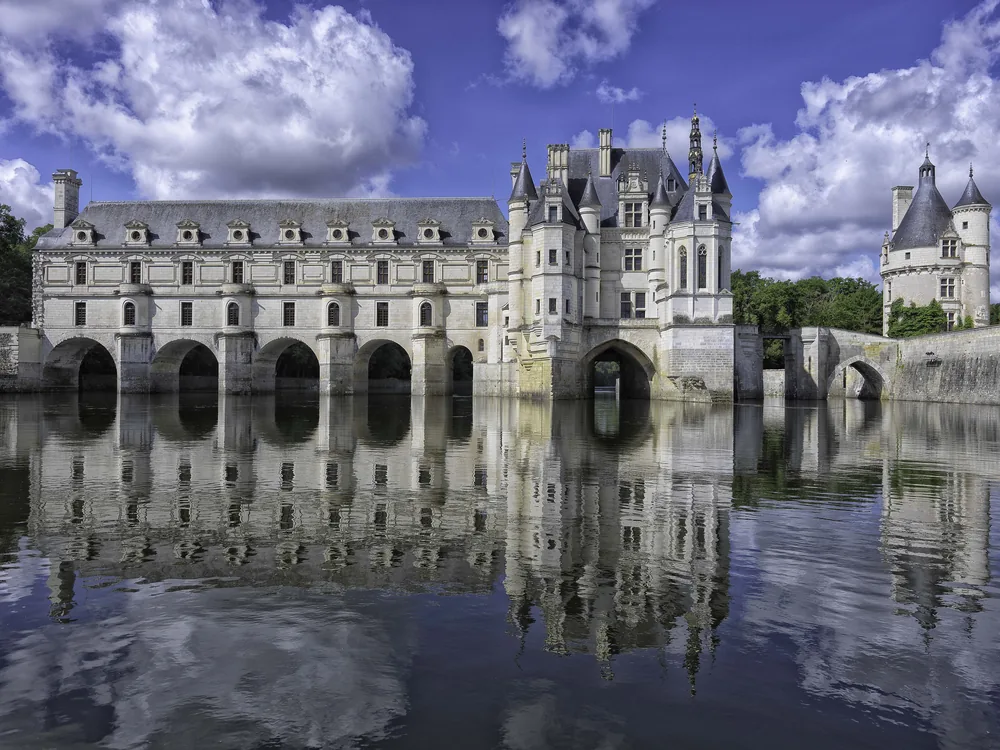
Château de Chenonceau is the Loire's most emotionally affecting château and the one that most rewards a slow visit. Arrive at 9am opening and spend the first hour before coaches arrive exploring the garden parterres (Diane de Poitiers's garden to the left, Catherine de Médicis's to the right — the two women who dominated the château's history and who hated each other with the productive intensity of great rivals) and the château's extraordinary approach across the drawbridge.
The building's defining feature — the 60-metre gallery spanning the river Cher on five arches, built by Catherine de Médicis after she forced Diane de Poitiers to exchange Chenonceau for Chaumont — deserves time. Walk the length of it, look down at the river from the windows, and consider that this same gallery served as a Resistance crossing point during WWII when the river beneath it formed the border between Occupied and Vichy France.
The kitchen in the lower part of the building — installed by Catherine de Médicis, considered the finest kitchen of its time in France — is often overlooked by visitors hurrying to the upper floors. It shouldn't be.
Plan on two to three hours at Chenonceau, then drive 25 minutes to Amboise for the afternoon.
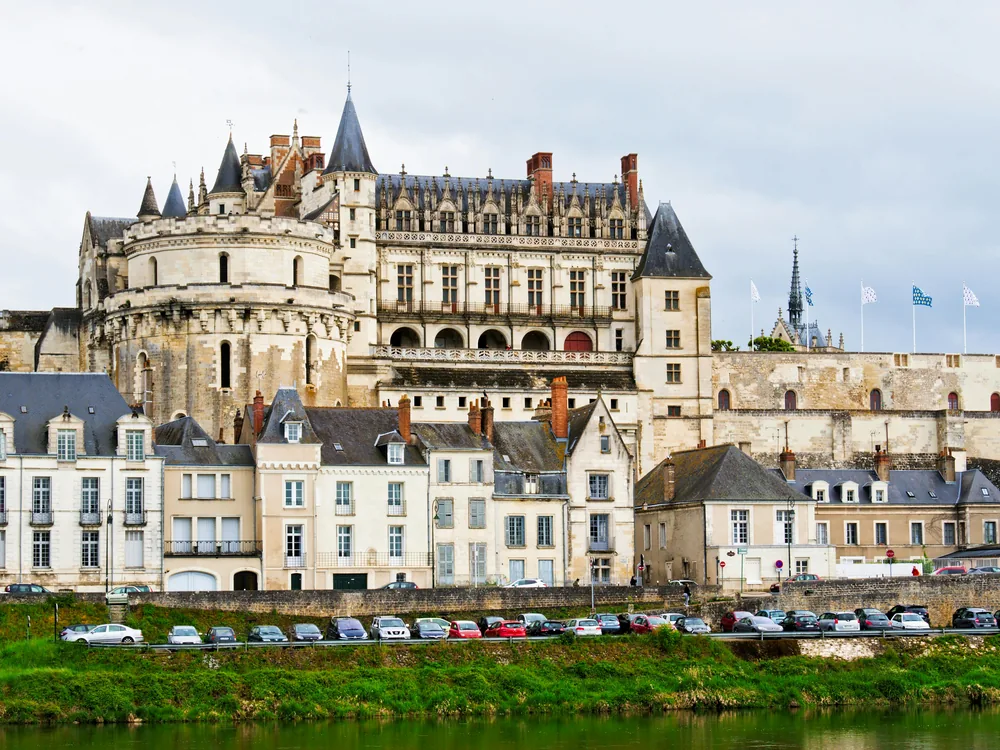
Afternoon in Amboise: The Château Royal d'Amboise is smaller than the Loire's major châteaux but historically paramount — it is where the French Renaissance began, where Charles VIII installed Italian craftsmen in 1495, and where Leonardo da Vinci spent his last three years as François I's personal guest. The flamboyant Gothic Chapel of St-Hubert contains, most likely, Leonardo's tomb.
The five-minute walk from the château to Clos Lucé — Leonardo's last home, where he died in 1519 — is essential. The manor house is well interpreted, with full-scale reconstructions of Leonardo's machines (flying machines, armoured vehicles, hydraulic devices) in the grounds. Two hours here is well spent.
Evening: Walk the Amboise ramparts at sunset for Loire valley views. The Shaker cocktail bar below the château is excellent for a pre-dinner drink. Wine tasting at one of the town's cave tuffeau (wine cellars carved into the chalk cliff) is worth an hour if open.
Day 3: Versailles or Pierrefonds (Day Trip)
Day 3 depends on your base and priorities.
Option A: Return to Paris via Versailles. If you're driving or taking the TGV back to Paris (1h10 from Tours), a stop at Versailles on the way makes logical sense if you haven't seen it. Book tickets well in advance and aim for a Tuesday-Thursday visit when weekend crowds are absent. This requires an early departure from Amboise.
Option B: Azay-le-Rideau and Villandry. If you have a car and want to stay in the Loire for a third full day, these two châteaux — both 30-45 minutes from Amboise — represent different registers of Loire excellence. Azay-le-Rideau is an early Renaissance jewel built on an island in the Indre, small enough to see in 90 minutes, extraordinary in its architectural refinement. Villandry is famous not for its château but for its gardens — three terraces of ornamental parterres, kitchen gardens and water gardens, the finest Renaissance garden restoration in France.
Option C: Blois. The Château de Blois in the town of Blois (30 min from Amboise) contains all four major French architectural styles in a single building — Gothic, Flamboyant Gothic, Renaissance, and Baroque — having been built and extended by successive monarchs from the 13th to 17th centuries. The staircase in the François I wing is one of the most photographed Renaissance staircases in France. The town of Blois is underrated and worth an afternoon.
What Not to Miss
- ✦Chambord rooftop — the single best castle view in the Loire, possibly in France
- ✦Chenonceau at opening — the gallery over the river deserves the first quiet hour before crowds
- ✦Clos Lucé — Leonardo's last home is genuinely moving and usually uncrowded
- ✦Cheverny hound feeding — 5pm in summer, one of the Loire's most unexpected spectacles
- ✦Loire wine — Vouvray, Chinon, Bourgueil; drink the local bottles with local fish
Getting There and Around
- ✦TGV from Paris Montparnasse to Tours: 1h10. Tours has car hire at the station.
- ✦Car hire: Essential for Chambord and Cheverny which have no direct train connections. Budget €40-60/day for a small car.
- ✦Cycling: Loire à Vélo is excellent for Amboise-Chenonceau (10km) and Amboise-Chaumont (15km). Chambord is 35km from Amboise — feasible for fit cyclists in good weather, less so otherwise.
- ✦Guided tours from Paris: Multiple operators run day trips to Chambord and Chenonceau from Paris. These are efficient but rushed; the Loire rewards lingering.
Castles in this Guide
france · Loire Valley
Château de Chambord
François I's Renaissance fantasy — the Loire Valley's most theatrical château
france · Loire Valley
Château de Chenonceau
The ladies' château — built on arches over a river by the women who loved it most
france · Loire Valley
Château d'Amboise
Where the French Renaissance began — and where Leonardo da Vinci died
france · Loire Valley
Château de Cheverny
The original Moulinsart — Tintin's château, still owned by the family who built it 400 years ago