
Travel Guide · Updated May 2026
Europe's Most Visited Castles: The 10 Unmissable Fortresses
Europe's most visited castles are not always the most historically significant, and the most historically significant are not always the most beautiful. But the ten castles that attract the largest audiences year after year share one quality: they are impossible to ignore. They dominate their landscapes, they concentrate centuries of history in a single place, and they produce in visitors the specific sensation that distinguishes great architecture from merely impressive architecture — the feeling that you are standing somewhere that mattered, and still does.
This list is not entirely about raw visitor numbers (which favour the heavily marketed and easily accessible) but about the combination of visitor impact, architectural quality, and the force with which each castle represents something important about European history and culture.
1. Palace of Versailles, France — 10 Million Visitors Annually
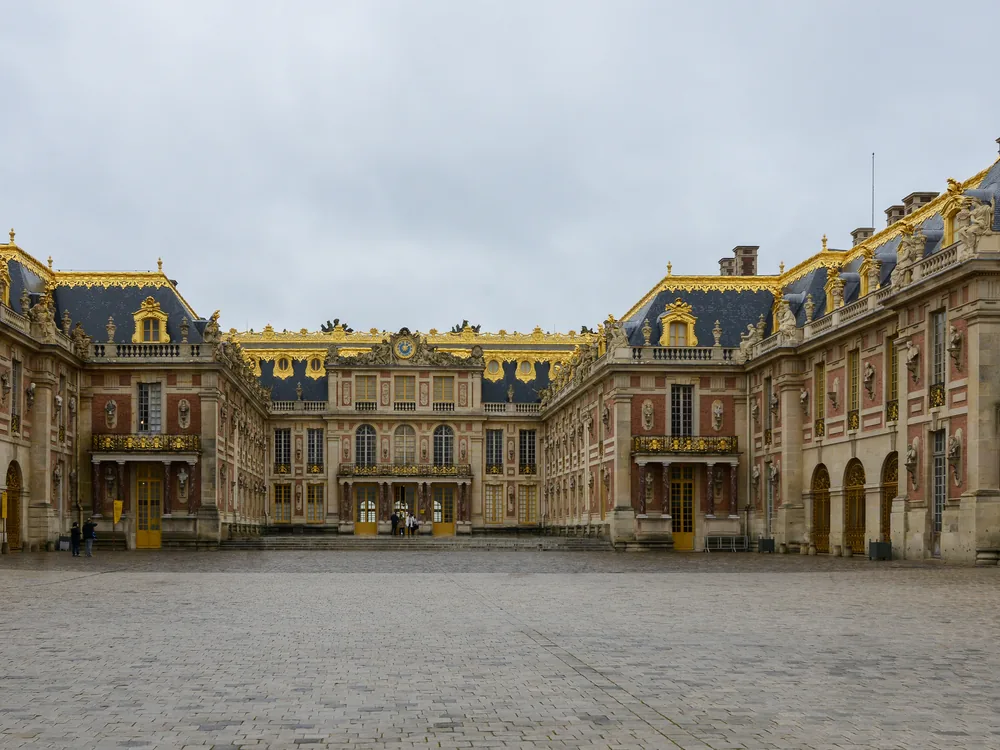
Versailles is Europe's most visited castle by a significant margin, receiving around 10 million visitors per year — more than the Louvre, more than the Eiffel Tower, more than any other heritage site on the continent. The scale justifies the numbers: 2,300 rooms, 800 hectares of gardens, 357 mirrors in the Hall of Mirrors alone. Louis XIV created not just a palace but a city, and the city he created still functions as one of the most complex single buildings in history.
The criticism most often levelled at Versailles — that it is overwhelming, impersonal, tourist-clogged — is fair in July and August. Arrive at opening on a weekday in April or October, and Versailles reveals itself as something extraordinary: the most sustained expression of human ambition translated into architecture that the 17th century produced.
Visit: Book at least 2 weeks ahead. RER C from Paris (40 min). Full day minimum.
2. Neuschwanstein Castle, Germany — 1.5 Million Visitors Annually
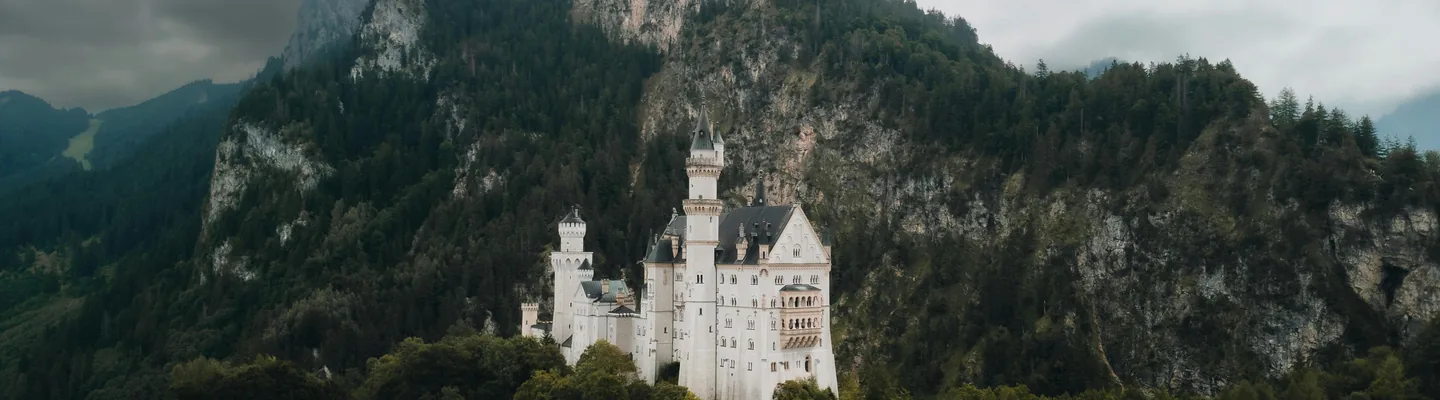
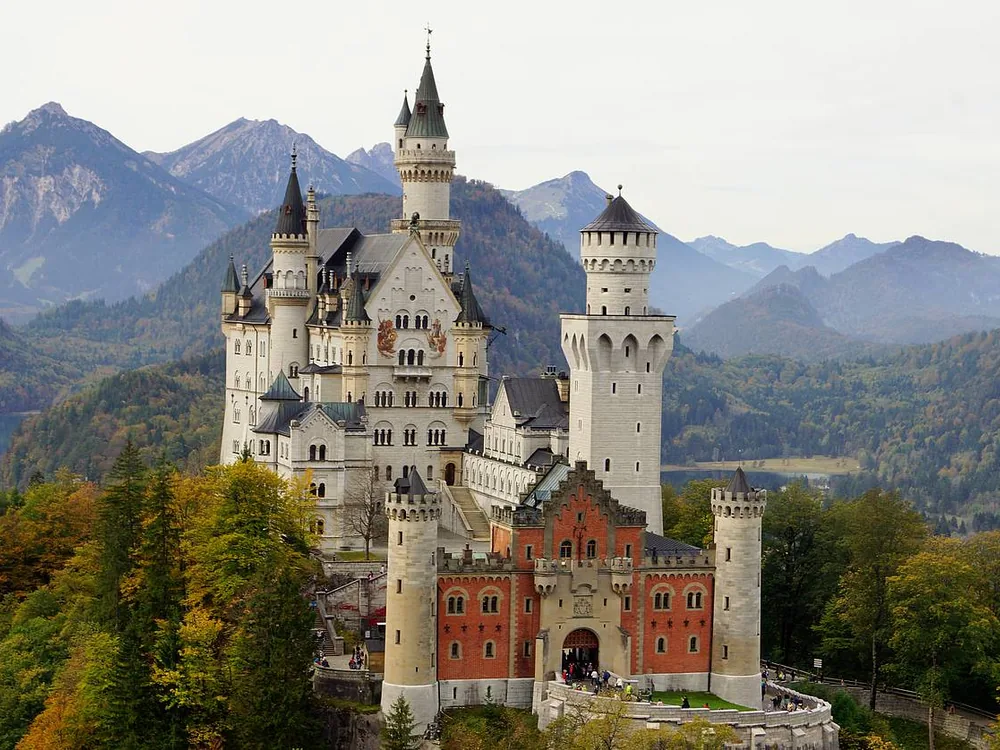
Neuschwanstein receives over 1.5 million visitors each year in a building that was never designed to receive visitors — Ludwig II built it as a private retreat and lived there for only a handful of nights. The paradox of a private fantasy becoming the world's most famous castle, reproduced on Disney theme parks and millions of screen savers, would have appalled its creator. The experience of the castle in summer — queues, timed tickets, guided tours of interiors so theatrical they resemble stage sets — is both overwhelming and genuinely extraordinary.
The exterior, rising from forested Alpine ridges above turquoise lakes, remains one of the most spectacular architectural settings in Europe regardless of the crowds surrounding you. The Marienbrücke bridge, high above the Pöllat Gorge, offers the canonical view.
Visit: Book 30+ days ahead in summer. Train Munich–Füssen (2h), then bus.
3. The Alhambra, Spain — 2.7 Million Visitors Annually
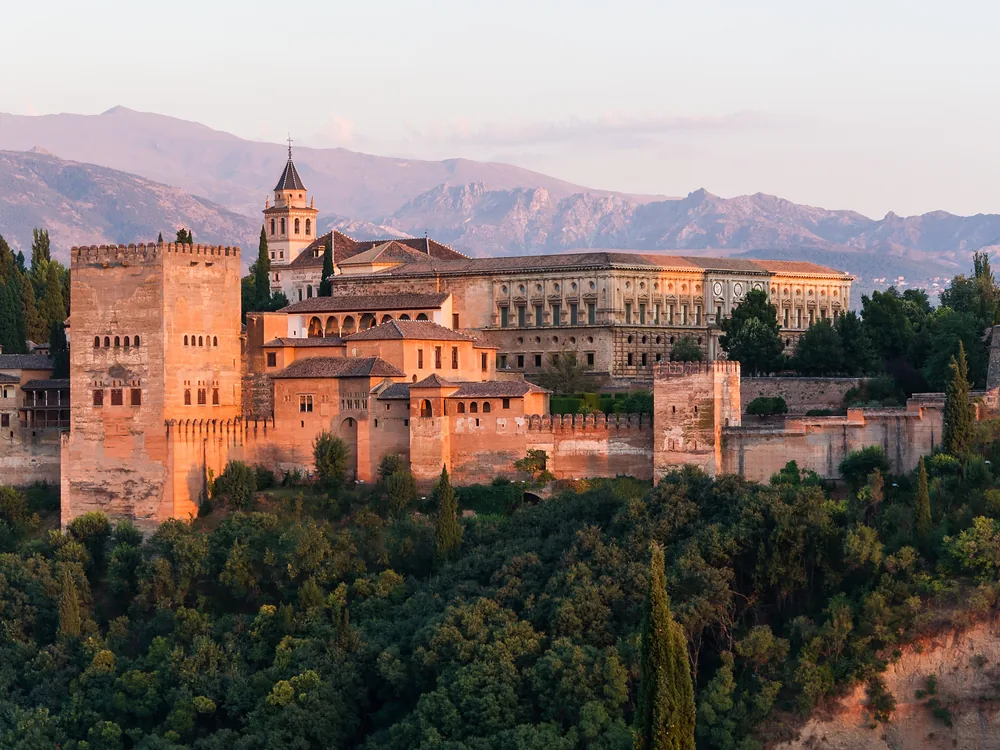
The Alhambra's visitor numbers mask a crucial distinction: only around 6,600 people per day are permitted into the Nasrid Palaces — the jewel of the complex — making these the most carefully rationed tickets in European heritage tourism. Book months ahead for peak dates. The restrictions are the result of hard lessons learned when unrestricted access began visibly degrading the 14th-century plasterwork.
The Alhambra is the building that professional architects, historians of Islamic art, and ordinary first-time visitors consistently rate as the most beautiful building they have ever seen. That consensus, sustained across six centuries of testimony, is the best possible reason to plan your visit far in advance.
Visit: Book Nasrid Palaces tickets months ahead. Train Granada from Madrid (4h30 AVE).
4. Prague Castle, Czech Republic — 2 Million Visitors Annually
Prague Castle is not a single castle but a complex — the largest ancient castle complex in the world by area — spread across 70,000 square metres on a bluff above the Vltava. Within its walls: three churches (including the Gothic Cathedral of St Vitus, containing the Bohemian Crown Jewels), two palaces, a Baroque garden, the Old Royal Palace with its Vladislav Hall (the largest secular Gothic interior in Central Europe), and Golden Lane, a row of tiny 16th-century houses built against the castle wall where Franz Kafka briefly lived and wrote.
Prague Castle has been the seat of Bohemian kings, Holy Roman Emperors, presidents of Czechoslovakia, and now the Czech Republic. The Czech Crown Jewels — kept in a chamber whose door requires seven keys held by seven different officials — are displayed publicly only for major state occasions.
Visit: Walk up from Malá Strana or take tram 22. Half day for the main sights, full day to do it properly.
5. Edinburgh Castle, Scotland — 2 Million Visitors Annually
Edinburgh Castle is the most important site in Scottish national consciousness, the keeper of the Scottish Crown Jewels (the oldest surviving crown jewels in Britain), and one of the most architecturally extraordinary fortifications in Europe — built on a volcanic plug of basalt rising 130 metres above the city, its walls and buildings accumulating over a thousand years of Scottish history. The One O'Clock Gun fires Monday through Saturday, a tradition since 1861.
Visit: Book online ahead in summer. 15-min walk from Waverley Station up the Royal Mile.
6. Heidelberg Castle, Germany — 1 Million Visitors Annually
Heidelberg occupies the most unusual position in the European castle canon: it is simultaneously a ruin and one of the finest Renaissance palaces in northern Europe. The French armies of Louis XIV destroyed it twice (1689 and 1693), and the result — half-standing Renaissance walls, shattered towers, ivy over stonework — inspired the entire Romantic movement's aesthetic of noble ruins. Victor Hugo visited and was overwhelmed. Mark Twain spent weeks here and called it the most poetically beautiful thing he had seen.
Visit: Train from Frankfurt (50 min), then funicular. The Illumination events (June, July, September) are spectacular.
7. Schönbrunn Palace, Austria — 4 Million Visitors Annually
Schönbrunn is Vienna's Versailles — the Habsburg summer palace that served as the primary imperial residence from Maria Theresa's reign (1740–1780) until the abdication of Karl I in 1918. The palace's 1,441 rooms, the formal gardens rising to the Gloriette monument on the hill above, and the extraordinary historical resonance of the site — Napoleon slept here twice, Mozart performed here as a child, the Congress of Vienna was celebrated here in 1815 — make it one of Europe's richest cultural experiences.
The imperial apartments occupied by Franz Joseph and Elisabeth (Sisi) are meticulously preserved and interpreted, and the audio guide that accompanies the standard tour is among the best in European heritage.
Visit: Metro U4 to Schönbrunn. Full day for palace and gardens. Book timed palace entry online.
8. Real Alcázar of Seville, Spain — 1.5 Million Visitors Annually
The Alcázar of Seville is the oldest royal palace in active use in Europe, the finest surviving example of Mudéjar architecture in the world, and one of the most quietly astonishing buildings in Europe. Built in the 14th century by a Christian king using Muslim craftsmen deliberately imported from Granada, it is the most complete surviving expression of the cultural synthesis that made medieval Andalusia the most sophisticated civilization in the Western world.
Visit: Book online — sells out weeks ahead in spring and autumn. Combine with Seville Cathedral next door.
9. Hohenzollern Castle, Germany
Hohenzollern is the most dramatically sited castle in Germany: a Neo-Gothic fortress on a solitary 855-metre peak in the Swabian Alps, visible for 30 kilometres across the landscape, the ancestral seat of the dynasty that produced the Kings of Prussia and the German Kaisers. The Treasury holds the Prussian Crown Jewels and personal objects of Frederick the Great. The views on clear days extend to the Alps.
Visit: Train to Hechingen from Stuttgart (50 min), then taxi (15 min).
10. Eilean Donan Castle, Scotland
Eilean Donan is the most photographed building in Scotland and the single most recognisable image of the Scottish Highlands worldwide: a compact 13th-century castle on a tidal island where three sea-lochs meet, its reflection in the dark Highland water flanked by mountains and, on clear days, the distant Cuillin Ridge of Skye. Blown up in 1719 and meticulously reconstructed between 1912 and 1932, it is one of Europe's great cases of architectural resurrection.
Visit: Hire a car from Inverness (75 min) — no public transport. Plan an overnight to catch the dawn light.
Practical Advice for Visiting Europe's Top Castles
- ✦Book early: Versailles, Alhambra, Edinburgh, Schönbrunn, and Alcázar Seville all sell out in peak season. The Alhambra's Nasrid Palaces require months of advance booking in spring.
- ✦Arrive early: Every popular European castle is significantly better in the first hour after opening — before tour coaches arrive and corridors fill.
- ✦Best months overall: April to early June and September to October offer the best balance of weather, light and manageable crowds across all ten castles. July and August are manageable at less-visited sites but extremely crowded at Versailles, Neuschwanstein and the Alhambra.
- ✦Combined trips: Several natural pairings reduce travel time: Versailles from Paris (40 min by RER); Neuschwanstein and Heidelberg on a Bavarian circuit; Edinburgh and Eilean Donan on a Scottish road trip; Alhambra and Alcázar on an Andalusian itinerary; Prague and Schönbrunn on a Central Europe circuit.
Castles in this Guide
france · Île-de-France
Palace of Versailles
The palace that defined royal ambition for three centuries
germany · Bavaria
Neuschwanstein Castle
The fairy-tale castle that inspired Disney's Sleeping Beauty
spain · Andalusia
Alhambra
The finest Islamic palace in the world, carved in light and water
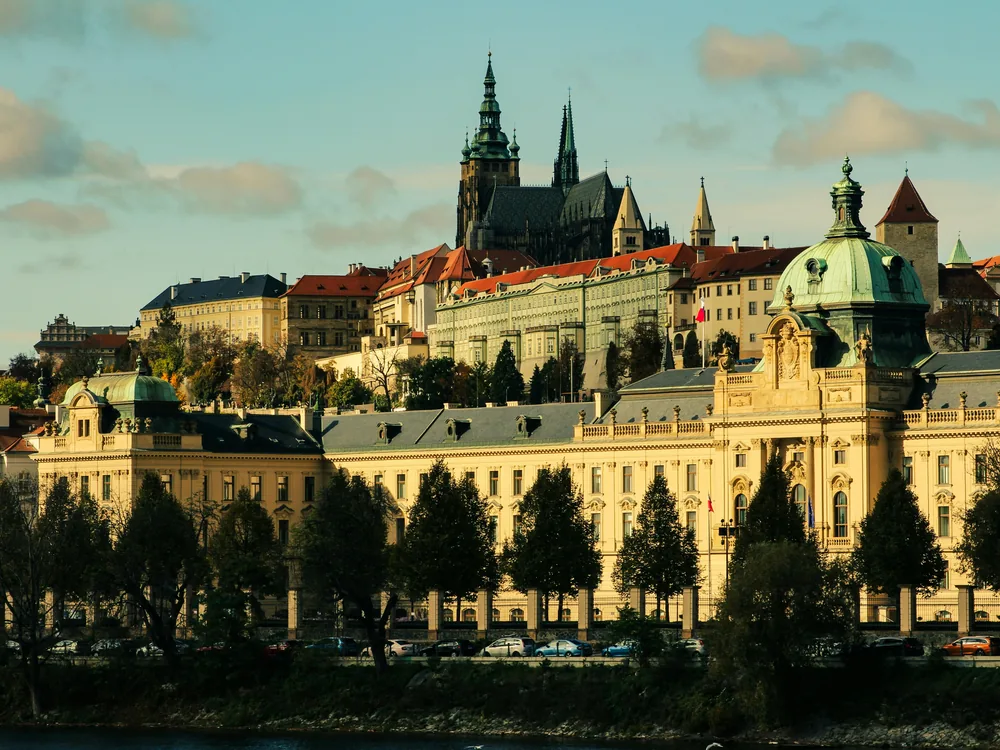
czech republic · Bohemia
Prague Castle
The world's largest ancient castle complex, rising above a thousand years of Czech history
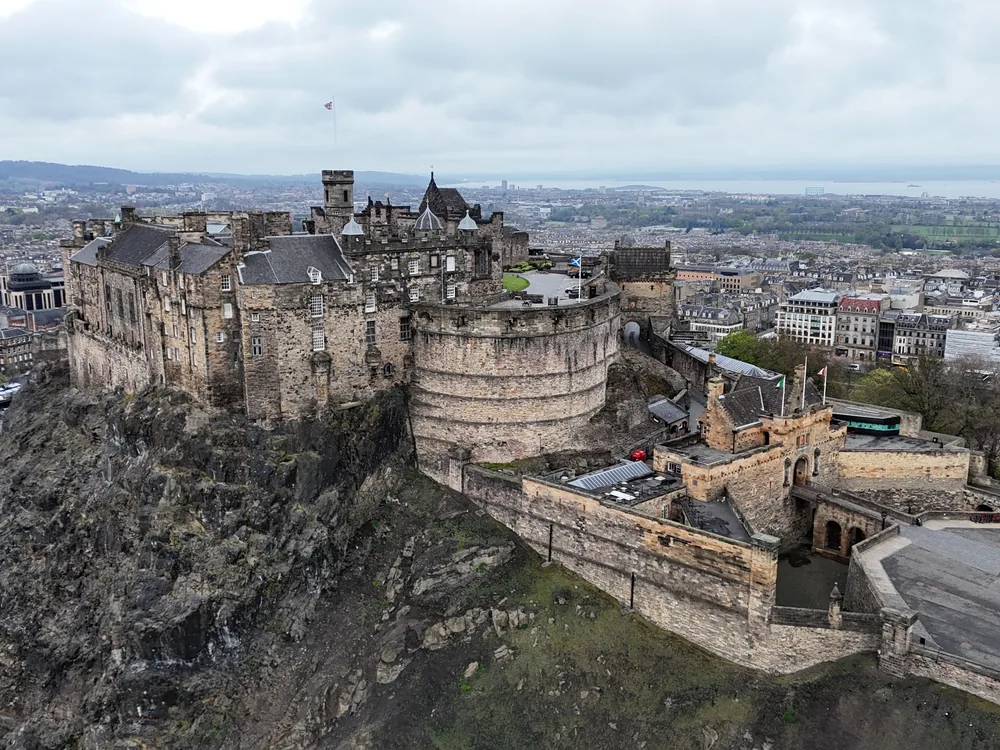
scotland · Central Scotland
Edinburgh Castle
Scotland's most iconic fortress, perched on an ancient volcano above the Old Town
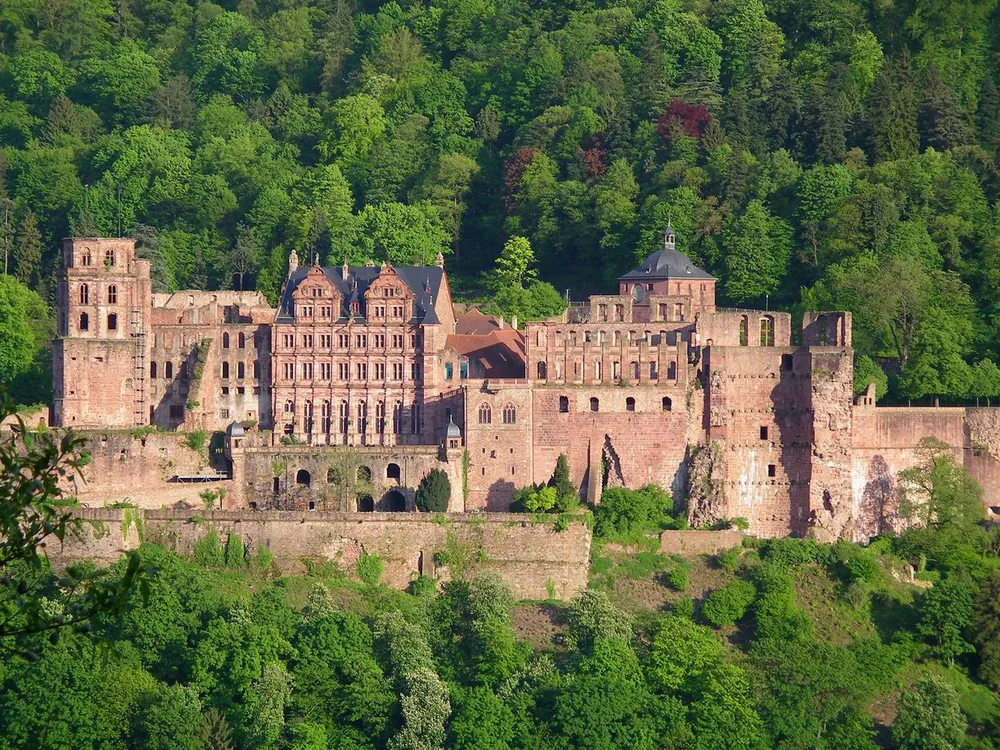
germany · Baden-Württemberg
Heidelberg Castle
Europe's most romantic ruin — a Renaissance palace half-destroyed and twice as beautiful
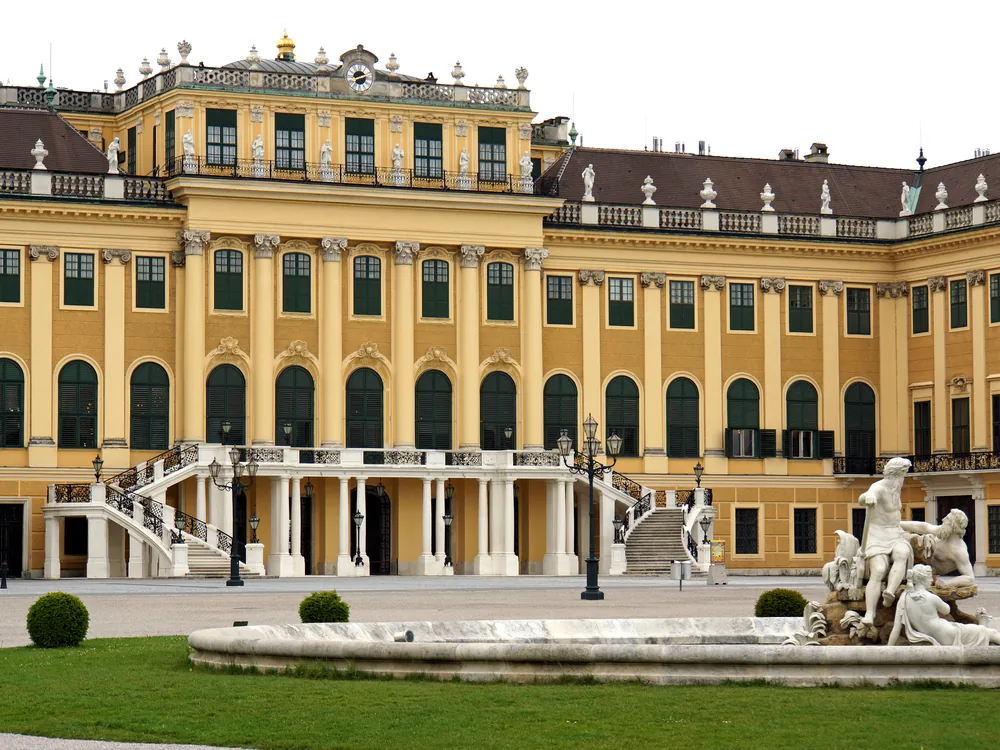
austria · Vienna
Schönbrunn Palace
Vienna's imperial summer palace, where Mozart played and Sisi reigned
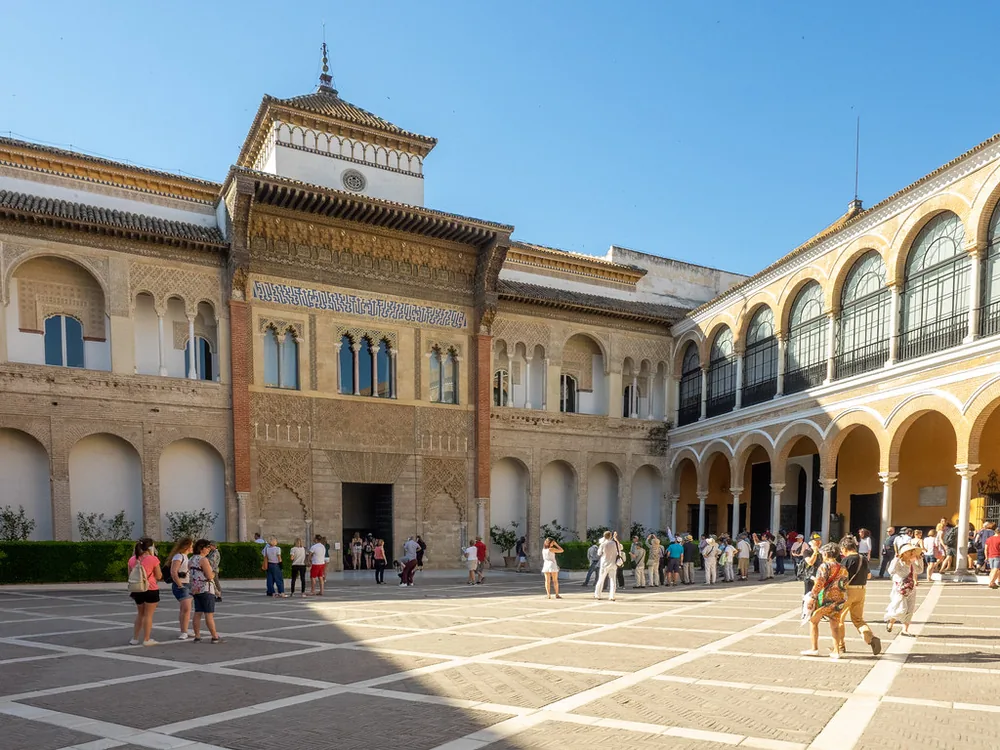
spain · Andalusia
Alcázar of Seville
A living Moorish palace — still the Spanish royal residence in Seville after 1,100 years
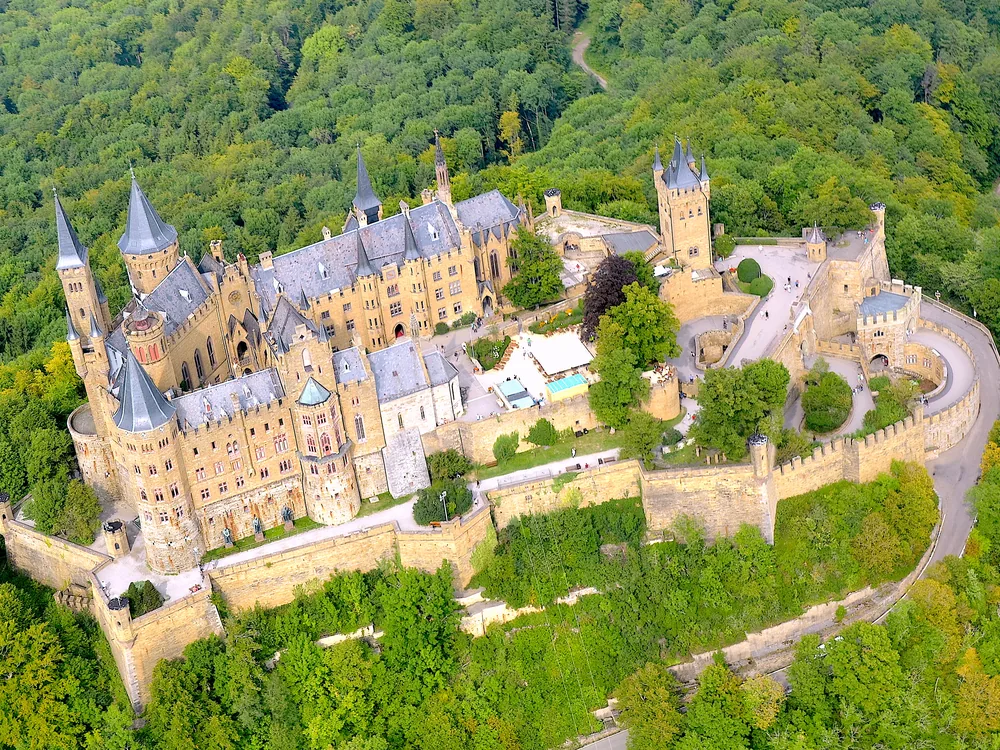
germany · Swabia
Hohenzollern Castle
The ancestral seat of the Kaisers — a Neo-Gothic peak rising from the Swabian Alps
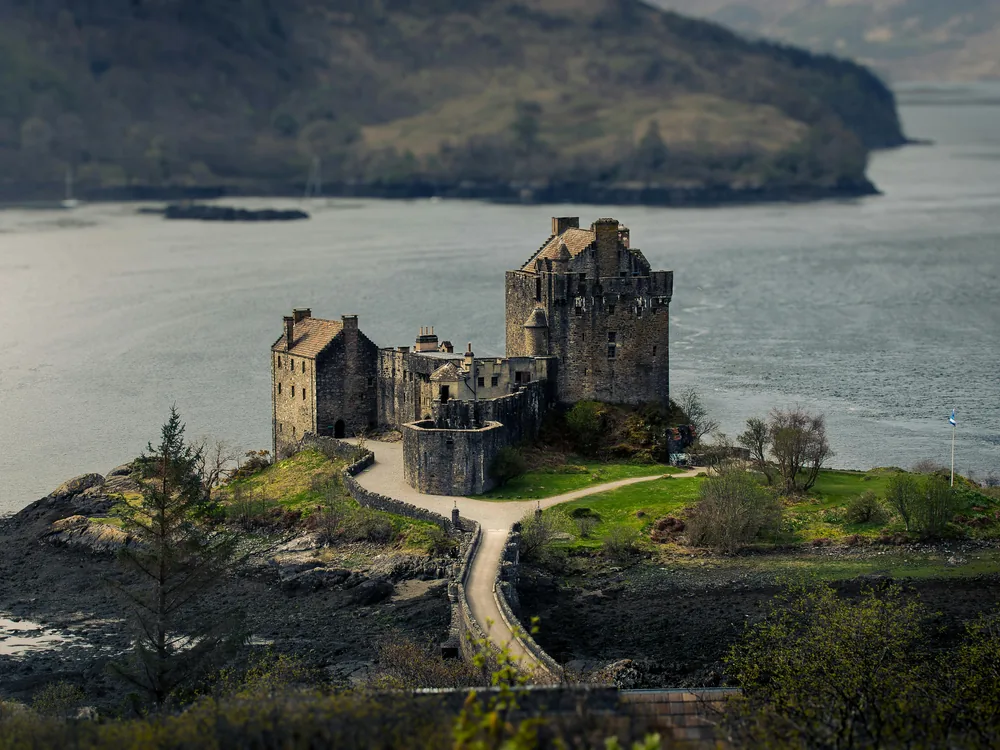
scotland · Scottish Highlands
Eilean Donan Castle
Scotland's most photographed castle — three lochs, one island, one arched bridge